
Pharmacy: Practical Online & Local Pharmacy Guide
If you need meds, where you buy them matters. This page gives short, useful steps: how to pick a safe online pharmacy, how to compare alternatives, and where to find real savings. Use these tips next time you order or refill.
Pick a safe online pharmacy
Start with credentials. Look for a physical address, pharmacist contact, and a clear prescription policy. In the US, state board listings or VIPPS accreditation are good signs. In Canada or the UK, check CIPA or similar certs. If a site sells prescription-only drugs without asking for a valid prescription, do not buy.
Check the product page for manufacturer info, lot number, and expiry dates. Secure checkout (HTTPS) and a visible privacy policy matter — they protect your payment and health info. If details are vague or missing, move on.
Compare services, costs, and delivery
Different pharmacies solve different problems. Some focus on low international prices and long shipping times. Others offer same-day local pickup, pharmacy networks, or telehealth integrations for quick prescriptions. Choose what fits your need: cheapest price, fastest delivery, or pharmacist access.
Watch total cost: list price plus shipping can be higher than a local option. Look for 90-day supplies, bulk discounts, and verified voucher codes to cut per-dose cost. Sign up for newsletters if you want first-order coupons, but read terms so you don’t get surprises.
Want to avoid fake meds? Check for brand logos, manufacturer details, and consistent packaging photos. Search the drug’s NDC or manufacturer code when possible. If the pill looks different, stop using it and contact the pharmacy and your prescriber.
Use reviews smartly. Real feedback often mentions delivery speed, packaging issues, and customer support quality. Beware of overly perfect reviews; a mix of positive and negative with detailed replies from the seller is more believable.
Insurance and payment: confirm the pharmacy accepts your insurance or uses third-party billing if that's required. If you pay out of pocket, compare total costs across a few sites. Some pharmacies offer transparent pricing tools or price-match promises.
Storage and safety at home: keep meds in original packaging, follow storage instructions, and use a pill organizer for daily doses. Never share prescription meds. If you notice severe side effects, stop the drug and contact a healthcare provider immediately.
Need more help deciding? Make a quick checklist: verify license, confirm prescription rules, read support hours, check shipping times, and compare final price. Bookmark trusted sites and save coupon codes safely. When in doubt, talk to your local pharmacist — they deal with these questions every day and can point you to reliable online options.

Generic Naming Conventions: USAN, INN, and Brand Naming Basics
Understand how USAN and INN systems create safe generic drug names. Learn about stems, brand vs generic naming, and why standardization prevents medical errors.
Read more
Fixed-dose combination drugs: what they are and why they exist
Explore what fixed-dose combination drugs are, why they simplify treatment, and the benefits and risks involved in taking bundled medications.
Read more
Effective Patent Life: Why Market Exclusivity for Drugs Is Shorter Than You Think
Effective patent life for drugs is often just 10-13 years, not the full 20 years, due to long development times. Secondary patents and regulatory rules stretch exclusivity-but at a cost to patients and competition.
Read more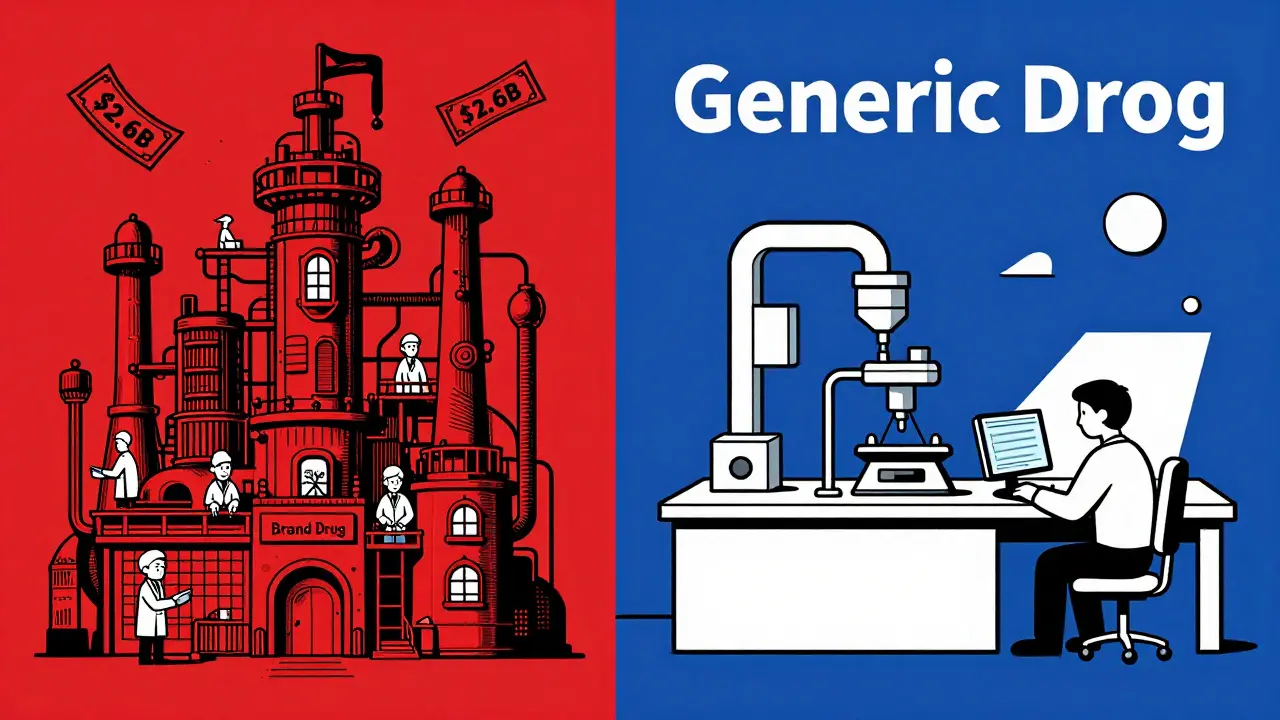
Labor Cost Differences: Generic vs Brand Drug Production
Generic drugs cost far less than brand-name drugs not just because of lower R&D, but because of dramatically lower labor costs. Learn how production scale, compliance, and global manufacturing shape the real price of your prescriptions.
Read more
Therapeutic Failures: When a Generic Drug Doesn't Work as Expected
Generic drugs are supposed to be safe, affordable alternatives - but when they fail to deliver the right dose, the results can be deadly. Learn why some generics don't work and what you can do to protect yourself.
Read more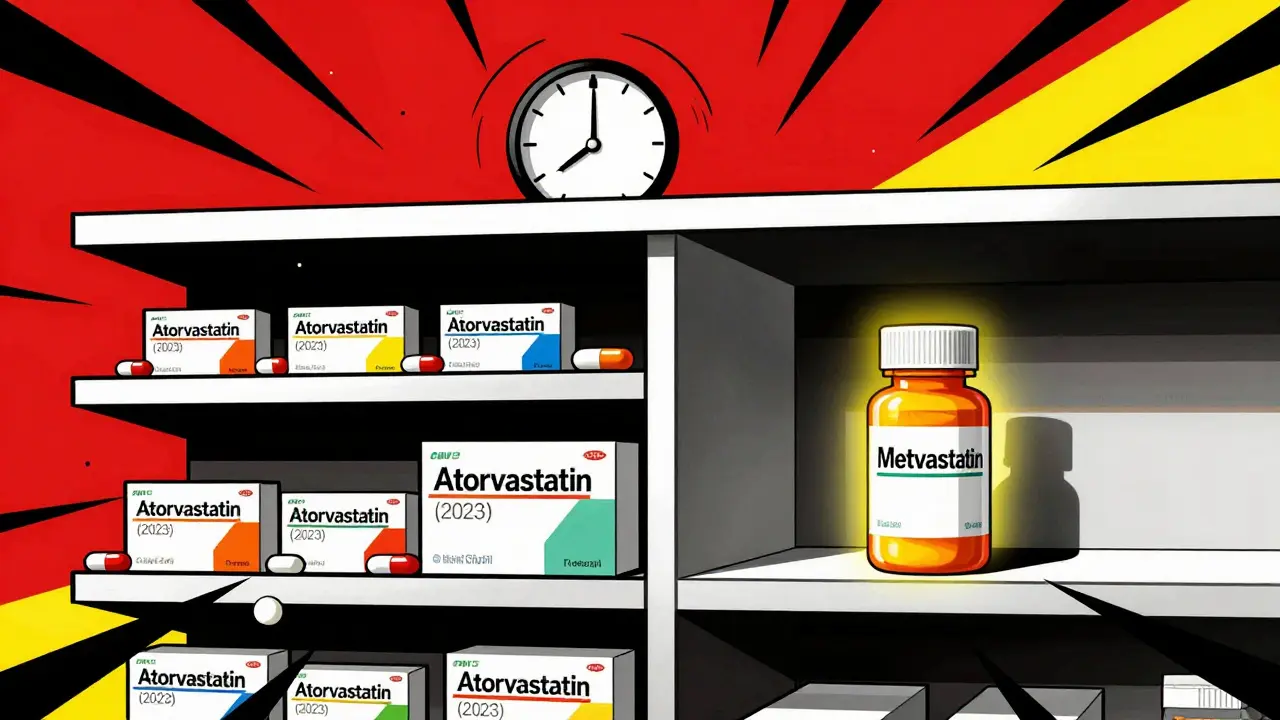
Pharmacy Inventory Management: Smart Generic Stocking Strategies for 2026
Smart generic stocking strategies can cut pharmacy inventory costs by 15% and reduce stockouts. Learn how to use data-driven methods like Reorder Points, minimum/maximum levels, and expiry tracking to optimize generic drug inventory in 2026.
Read more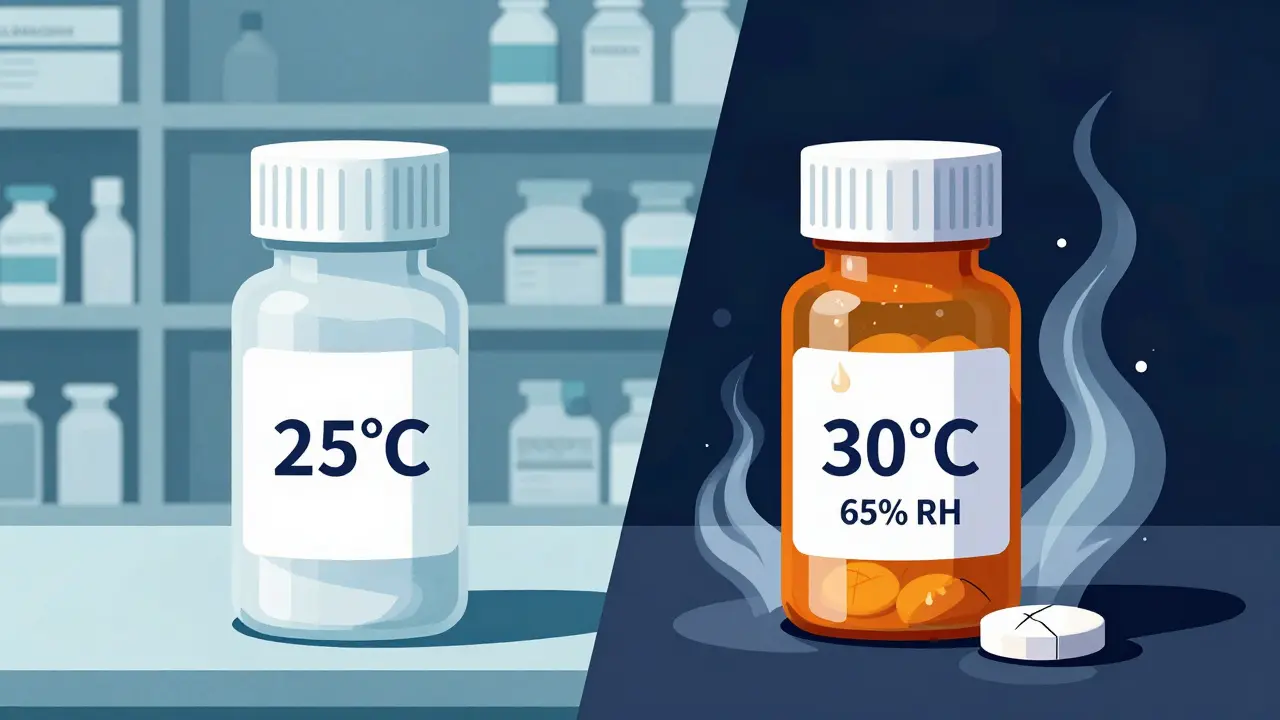
Stability Testing Requirements: Temperature and Time Conditions for Pharmaceutical Products
Stability testing ensures pharmaceutical products remain safe and effective over time under specific temperature and humidity conditions. ICH Q1A(R2) sets global standards for long-term, accelerated, and intermediate testing with precise time and environmental requirements.
Read more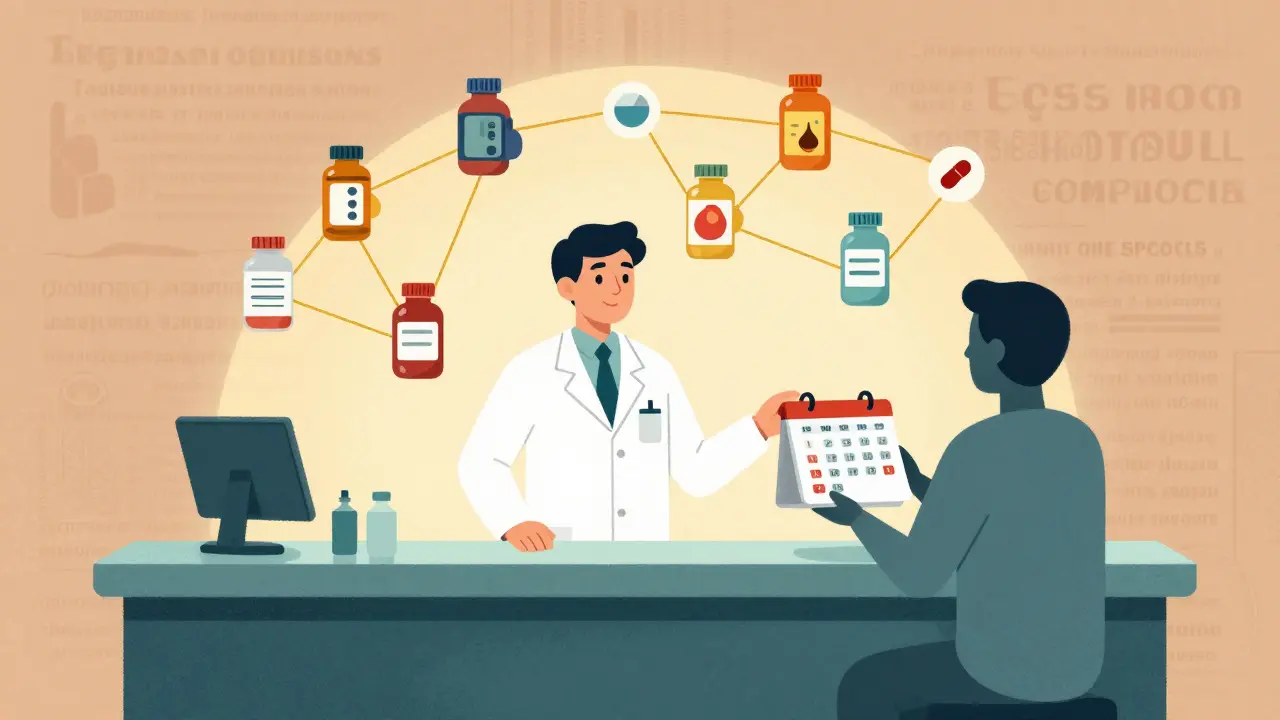
Using One Pharmacy for Better Medication Safety: How Coordination Prevents Dangerous Interactions
Using one pharmacy for all your prescriptions reduces the risk of dangerous drug interactions, prevents duplicate medications, and improves adherence through medication synchronization. It’s a simple step that saves lives.
Read more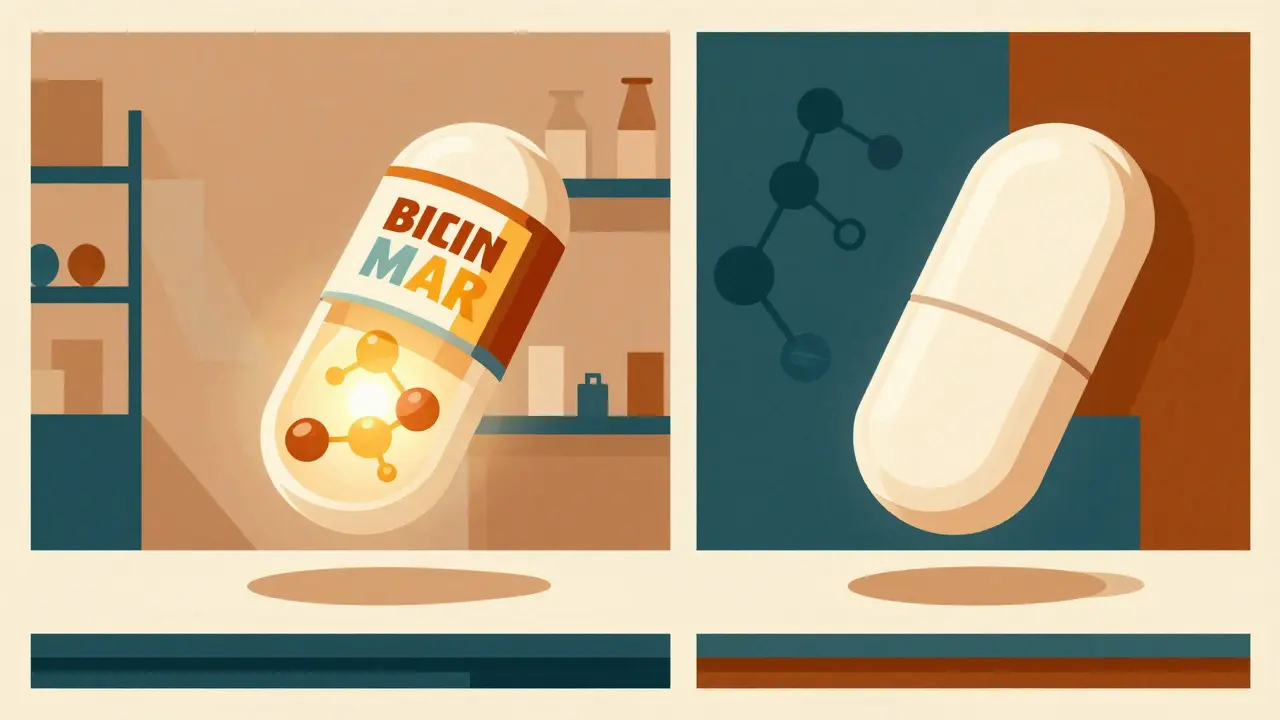
Therapeutic Equivalence: Are Authorized Generics Really the Same as Brand Drugs?
Authorized generics are identical to brand-name drugs in every way - same ingredients, same manufacturer, same quality. Learn how they compare, why they’re not listed in the Orange Book, and when they’re the best choice for patients.
Read more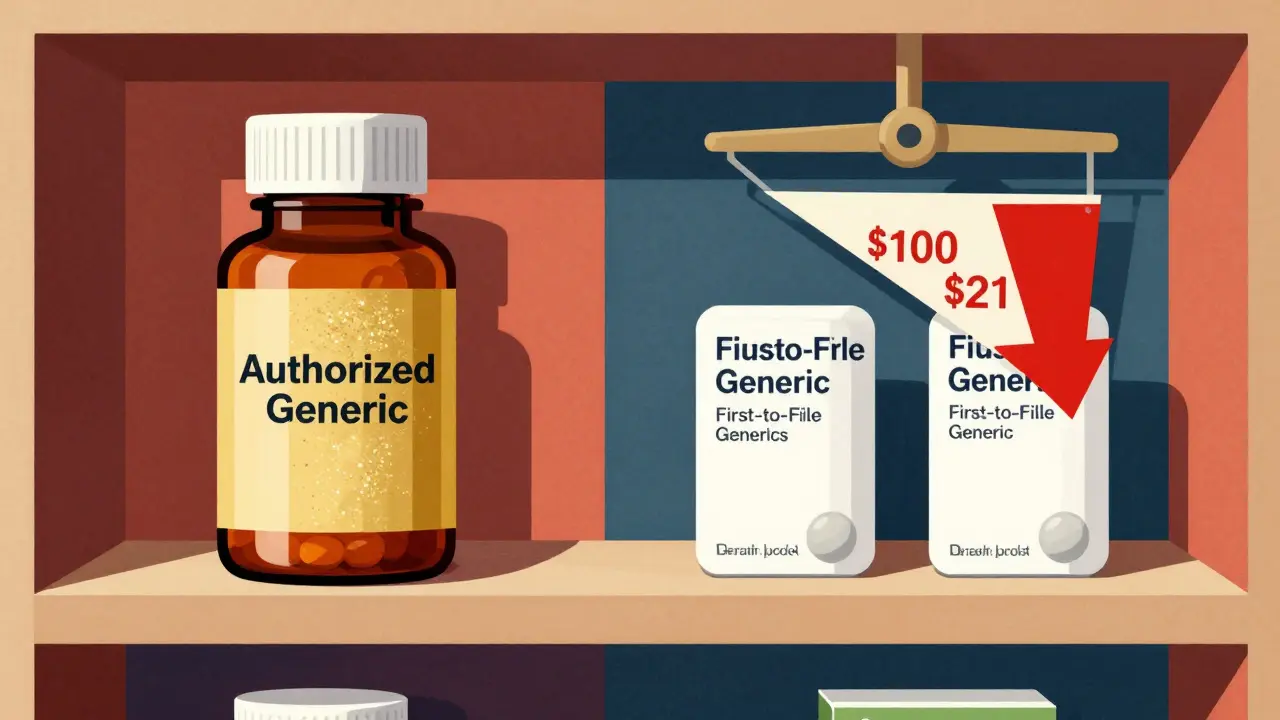
Cost Comparison: Authorized Generics vs First-to-File Generics - What You Really Pay
Authorized generics and first-to-file generics both lower drug costs, but authorized generics drive prices down faster and deeper. Learn how they differ, why prices drop more when both are on the market, and what it means for your prescription costs.
Read more