
Managing inventory in a pharmacy isn’t just about keeping shelves full. When it comes to generic medications, the stakes are higher - and the margins thinner. In 2026, over 90% of prescriptions filled in Australia are for generic drugs, yet they account for less than 20% of total drug spending. That means every pill you stock has to earn its place. If you’re overstocking slow-moving generics or running out of fast-sellers like metformin or lisinopril, you’re losing money on both ends: in wasted expiry dates and lost sales. The good news? There’s a smarter way.
Why Generic Stocking Is Different
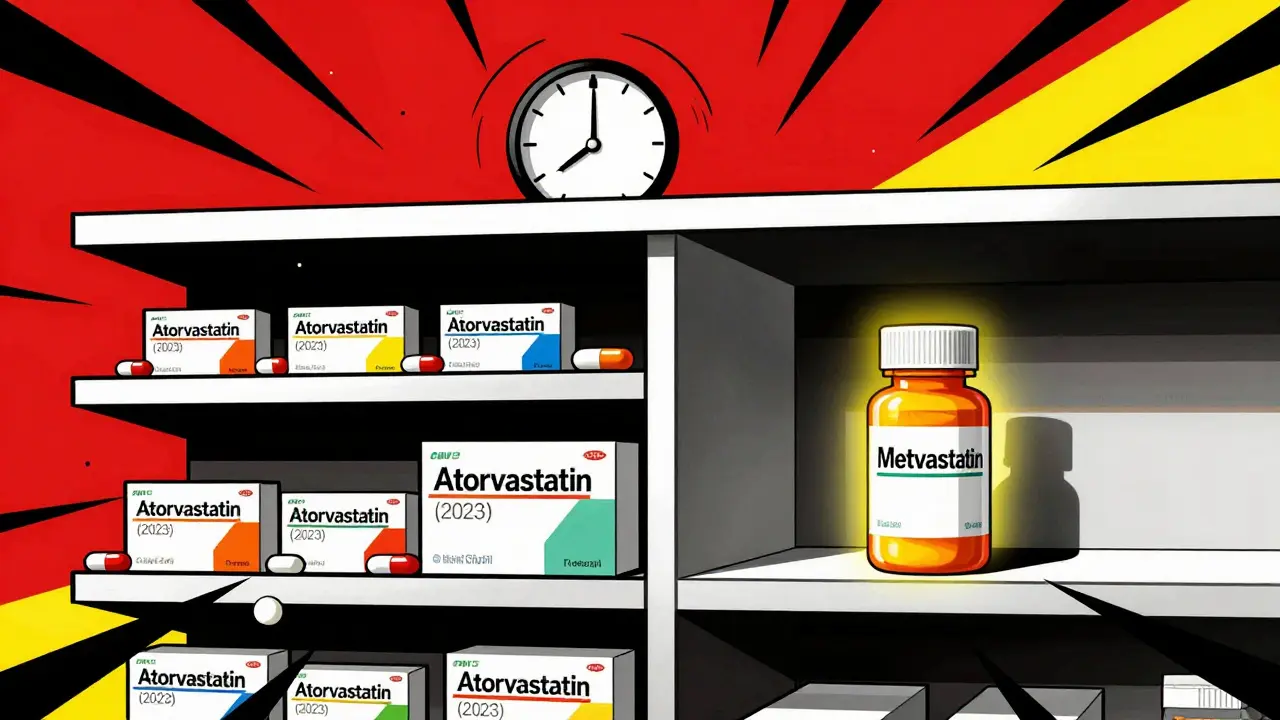
Generic drugs aren’t just cheaper versions of brand-name meds. They’re dynamic. A new generic can hit the market tomorrow, and within weeks, demand for the brand-name version can drop by 70%. That’s not a slow shift - it’s a cliff edge. Pharmacies that treat all inventory the same end up stuck with expired stock or empty shelves. The key is treating generics like a live feed, not a static list.Take atorvastatin. When the first generic hit the market, many pharmacies kept ordering the brand-name version for months. The result? $3,000-$5,000 in unsellable inventory. Meanwhile, fast-moving generics like omeprazole or ibuprofen need to be restocked every 7-10 days. You can’t use the same rules for both.
The 80/20 Rule in Action
In pharmacy inventory, the 80/20 rule isn’t a suggestion - it’s a law. About 20% of your generic SKUs make up 80% of your drug costs. But here’s the twist: those same 20% are also responsible for over 90% of your volume. That means you can’t afford to guess. You need hard data.Track your Cost of Goods Sold (COGS) by product. If you’re spending $1.20 per pill on a generic that sells 50 units a week, but another costs $0.40 and sells 200 units, the cheaper one is your real profit engine - even if it looks less impressive on paper. The goal isn’t to stock the most expensive generics. It’s to stock the ones that turn over fast and still leave room for margin.
How to Set Your Reorder Points
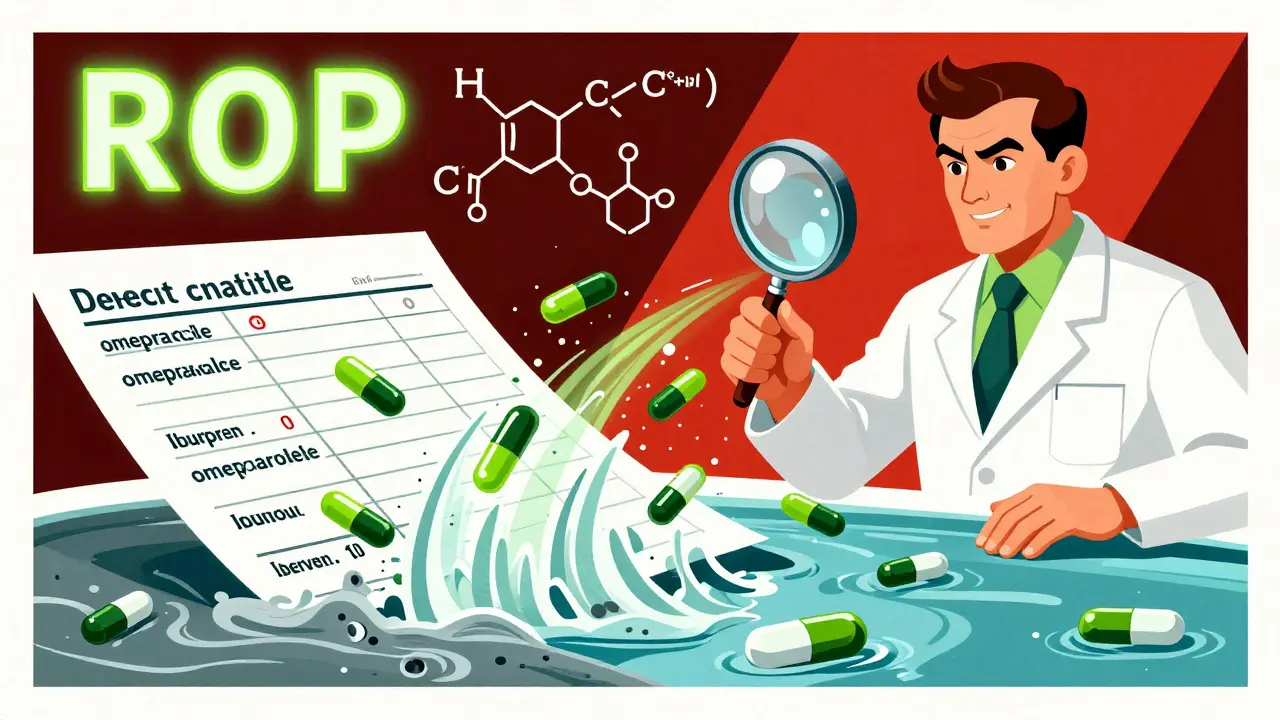
Forget monthly orders. That’s outdated. Instead, use the Reorder Point (ROP) formula:ROP = (Average Daily Usage × Lead Time) + Safety Stock
Let’s say you dispense 15 bottles of metformin 500mg per day. Your supplier takes 3 days to deliver. You add a safety stock of 5 days’ worth to cover delays or spikes. So:
- 15 × 3 = 45
- 15 × 5 = 75 (safety stock)
- ROP = 45 + 75 = 120 bottles
When your stock hits 120, you order. Not when the shelf looks empty. Not when you feel like it. When the number hits. This keeps you from running out without overbuying.
For fast-movers like antacids or laxatives, aim for a week’s supply on hand. That’s usually enough to ride out delays without risking expiry. For slower items - say, a niche generic for a rare condition - you might only need 2-3 weeks’ supply. Track it. Adjust it.
Use the Minimum/Maximum Method
This isn’t fancy. It’s simple. Set a minimum and maximum for each generic SKU.For example:
- Minimum: 40 units
- Maximum: 100 units
When stock drops below 40, you order enough to bring it back to 100. No more, no less. This works because it removes emotion from ordering. You’re not thinking, “We had a lot last week, maybe we don’t need more.” You’re just following the system.
Pharmacies using this method report 10-15% lower holding costs and 15% fewer stockouts. It’s not magic. It’s math.
Watch Expiry Dates Like a Hawk
Generics often have shorter shelf lives than brand-name drugs. Why? Because manufacturers squeeze costs. They use cheaper packaging. They cut corners on preservatives. So while a brand-name drug might last 36 months, the generic version might only last 24.Use your pharmacy software to flag items with less than 6 months left. Set up alerts. Move them to the front of the shelf. Offer them as part of refill bundles. If a patient is picking up their monthly blood pressure med, throw in a 30-day supply of expired-near generics at no extra cost. It’s a win: you clear stock, the patient saves money, and you avoid a $200 loss on expired inventory.
Train Your Team - Especially on Returns
One of the biggest mistakes? Not returning unclaimed prescriptions.If a patient doesn’t pick up their script, that pill stays in your system as “dispensed.” That throws off your inventory count. You think you’re low, so you order more. You end up overstocking. The fix? Return unclaimed prescriptions to stock within 24 hours. It’s simple. It’s legal. And it cuts inventory errors by 22%.
Train your techs. Write it into your SOPs. Make it part of closing checklist. This one habit alone can save you hundreds in wasted stock every month.
Track Supplier Performance
Not all generic suppliers are equal. One might offer the lowest price but take 14 days to deliver. Another might cost 8% more but deliver in 48 hours. That 8% cost? It’s worth it if you avoid a stockout.Track:
- Lead time per supplier
- Fill rate (did they send what you ordered?)
- Price volatility (did the price jump last month?)
Pharmacies that track this data find they can negotiate better terms - or switch suppliers before they get burned. Generic pricing changes more often than brand-name. You can’t afford to be passive.

Automate - But Don’t Blindly Trust
New software can predict demand, auto-order, and even flag when a new generic is about to launch. But automation isn’t a magic button.One pharmacy in Melbourne automated their generic orders based on last year’s sales. Then, in February 2025, a new generic for simvastatin hit the market. The software kept ordering the old brand because it “looked like demand.” They ended up with $8,000 in expired stock.
The fix? Set your system to review all automatic orders every two weeks. Especially during the first 60 days after a new generic launches. That’s when demand shifts fastest. Use AI to help - but keep a human in the loop.
Work With Prescribers
Sometimes, the biggest bottleneck isn’t your inventory system - it’s your prescribers.If a doctor keeps writing for a brand-name drug that’s been generic for years, you’re stuck. The patient gets the expensive version. You get lower margins. And you’re forced to stock both - doubling your inventory cost.
Build collaborative practice agreements (CPAs). These let pharmacists switch a brand-name script to the generic - without calling the doctor. In Australia, 17 states now allow pharmacists to do this under specific protocols. Talk to your local prescribers. Show them the data. Offer to handle the switch. You’ll reduce waste, save patients money, and keep your inventory lean.
Start Small. Scale Fast.
Don’t try to overhaul your entire inventory overnight. Pick three fast-moving generics - say, metformin, omeprazole, and atorvastatin. Apply the ROP and minimum/maximum rules to them. Track the results for 60 days. See how your stockouts drop. See how your expiry losses shrink.Then expand. Add five more. Then ten. By the end of the year, you’ll have a system that runs itself - with fewer headaches, less waste, and more profit.
What Happens If You Do Nothing?
Pharmacies that stick to old-school inventory methods are bleeding money. They’re overstocking slow-movers. Understocking fast-sellers. Letting pills expire. Losing sales when patients can’t find what they need.In 2026, independent pharmacies that use smart generic stocking strategies see 15-20% higher profit margins than those who don’t. The difference isn’t luck. It’s process. It’s data. It’s discipline.
Generic drugs are the backbone of modern pharmacy. But they’re not passive. They demand attention. If you treat them like commodities, you’ll get commodity results. If you treat them like strategic assets - you’ll build a pharmacy that thrives.
Mike Hammer
February 15, 2026 AT 00:20Daniel Dover
February 16, 2026 AT 08:47Kapil Verma
February 16, 2026 AT 23:41Chiruvella Pardha Krishna
February 17, 2026 AT 01:11Erica Banatao Darilag
February 18, 2026 AT 18:09Virginia Kimball
February 19, 2026 AT 02:02Josiah Demara
February 20, 2026 AT 10:44Michael Page
February 20, 2026 AT 13:06Charlotte Dacre
February 22, 2026 AT 03:07Betty Kirby
February 23, 2026 AT 03:44Kaye Alcaraz
February 24, 2026 AT 07:57Mandeep Singh
February 24, 2026 AT 09:07Esha Pathak
February 24, 2026 AT 09:53Joe Grushkin
February 24, 2026 AT 16:54Sarah Barrett
February 26, 2026 AT 12:40