
It’s supposed to be the same drug. Same active ingredient. Same dose. Same condition being treated. So why does it sometimes feel like your generic medication just… doesn’t work?
For millions of people, switching from a brand-name drug to a generic is a simple, cost-saving move. But for some, that switch leads to something far more dangerous: a therapeutic failure. That’s when the drug stops doing what it’s supposed to do - and the consequences can be serious, even deadly.
This isn’t about rare side effects or patient non-compliance. This is about the drug itself failing - not because of how you took it, but because of how it was made.
What Does "Same Active Ingredient" Really Mean?
The FDA says generics must be "bioequivalent" to brand-name drugs. That sounds reassuring. But here’s what that actually means: the generic must deliver the same amount of active ingredient into your bloodstream within a range of 80% to 125% of the brand-name drug. That’s not a guarantee of identical performance. It’s a wide window.
Think of it like this: if your brand-name pill delivers 100 units of medicine, a generic could deliver anywhere from 80 to 125 units. For most drugs, that’s fine. But for drugs with a narrow therapeutic index - where the difference between a helpful dose and a toxic one is razor-thin - that 45% swing is a minefield.
Drugs like warfarin (blood thinner), phenytoin (seizure control), digoxin (heart rhythm), and tacrolimus (organ transplant rejection prevention) fall into this category. Even a 10% drop in active ingredient can mean the difference between preventing a clot and causing a stroke. A 10% rise? It could trigger organ toxicity or overdose.
The Hidden Flaws in Generic Manufacturing
Generic drugs aren’t just copied. They’re recreated. And recreation isn’t always perfect.
Manufacturers use different inactive ingredients - fillers, binders, coatings - to stabilize the drug or control how fast it dissolves. These aren’t harmless. A change in coating can make a tablet dissolve too fast in your stomach, flooding your system all at once. Or too slow, so the drug never gets absorbed.
In 2013, the FDA pulled the generic version of Wellbutrin XL (Budeprion XL) after hundreds of patients reported worsening depression, anxiety, and even suicidal thoughts. The problem? The generic used a different release mechanism. It didn’t deliver the drug steadily over 12 hours like the original. Instead, it dumped the dose too quickly - then ran out too soon. Patients weren’t getting the full 24-hour coverage they needed.
Then there’s the issue of stability. Active ingredients degrade. Heat, humidity, light - they all chip away at potency. Some manufacturers test rigorously. Others cut corners. A 2025 investigation found that some generic pills contained as little as 72% of the labeled active ingredient. Others had over 112%. And in some blister packs, pills from the same box varied wildly - one pill had 95%, the next had 81%.
These aren’t isolated cases. In 2024, Glenmark recalled 47 million doses of potassium chloride because the tablets weren’t dissolving. Patients with low potassium were at risk of cardiac arrest. The drug was supposed to save lives. Instead, it was just sitting in their stomachs, unchanged.
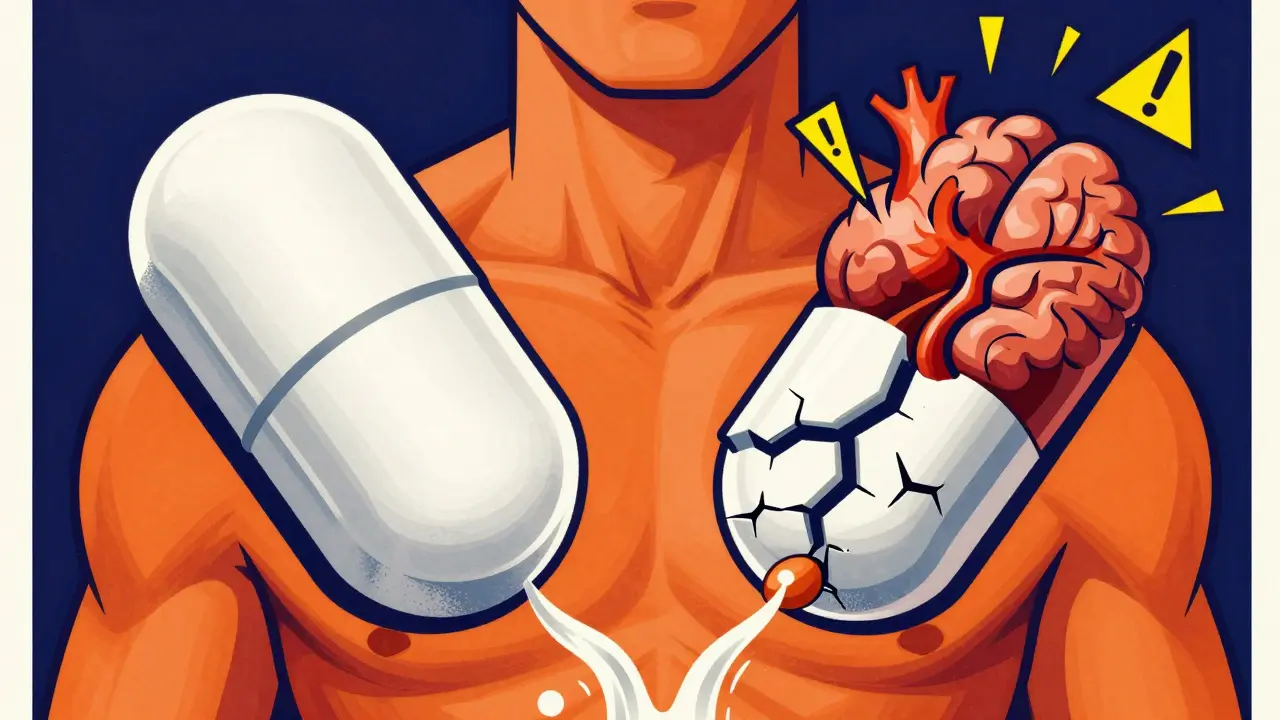
When It Happens: Real Patient Stories
One woman, post-heart transplant, switched to a generic version of tacrolimus. Her levels dropped. Her body started rejecting the new organ. She developed fatigue, shortness of breath, and fluid buildup - classic signs of rejection. Her doctors didn’t suspect the drug. They assumed her condition was worsening. It took weeks to trace it back to the generic. By then, she’d been hospitalized twice.
A cancer patient on a generic version of methotrexate started vomiting violently. Her blood tests showed toxic levels - but she hadn’t changed her dose. The generic had 30% more active ingredient than labeled. She needed emergency treatment to avoid liver failure.
Another patient, on warfarin for atrial fibrillation, went from stable INR levels (a measure of blood clotting) to dangerously high readings after switching generics. She nearly bled out. Her doctor had to reverse the effect with vitamin K and blood transfusions. The new generic? It released the drug unpredictably. One day, it was 90% effective. The next, 120%.
These aren’t anecdotes. They’re documented cases. Researchers found that multiple sclerosis patients on generics with less than 90% of the labeled dose had relapses. Those on generics with 97% to 103%? Their disease stayed stable.
Why This Isn’t Fixed Yet
The FDA has the power to demand better testing. But it doesn’t always use it.
For most drugs, the 80-125% bioequivalence rule is still the standard. Only for a handful of high-risk drugs - like warfarin - do they require tighter standards (90-111%). That’s a big gap.
And then there’s the supply chain. Most generics are made overseas. India and China produce the majority of active pharmaceutical ingredients. Regulatory oversight varies wildly. Some factories meet U.S. standards. Others don’t. The FDA inspects only a fraction of foreign facilities each year.
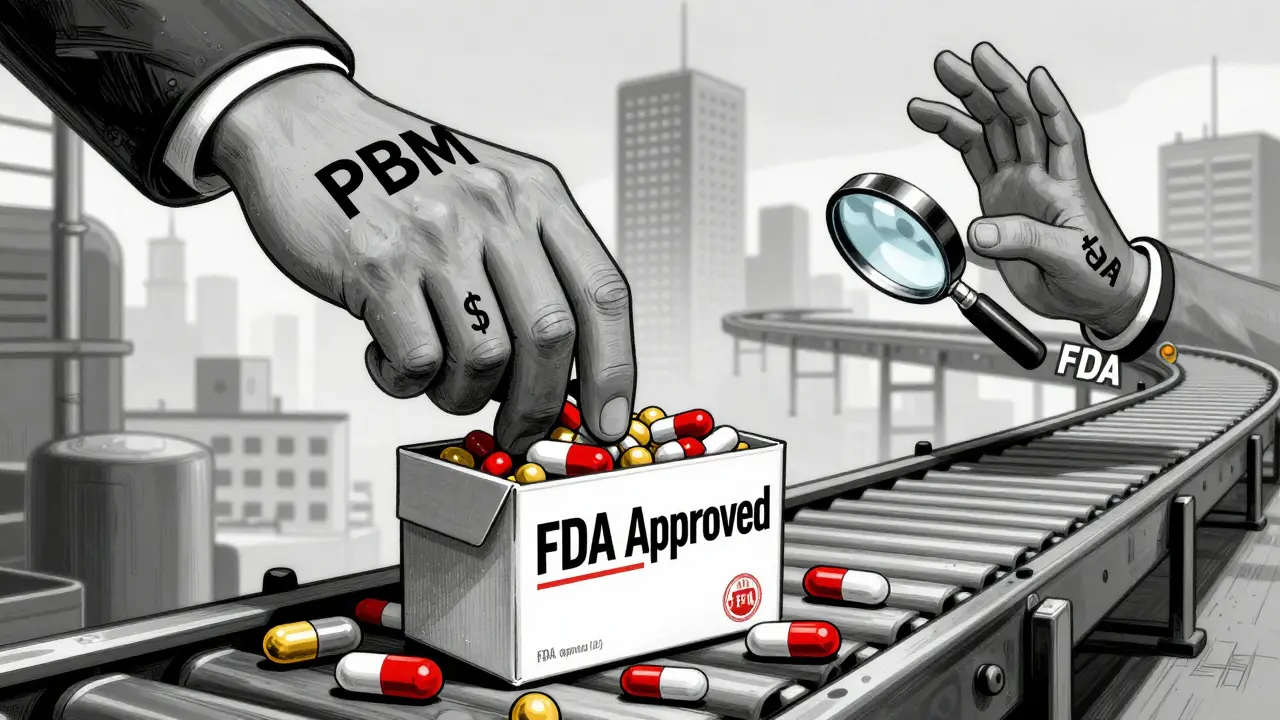
Pharmacy Benefit Managers (PBMs) - middlemen that negotiate drug prices - often push for the cheapest generic, regardless of quality. They get paid based on volume, not outcomes. So if a cheaper generic gets prescribed, even if it’s risky, it still gets used.
Patients pay the price. Literally. They’re told generics are safer and cheaper. But when they fail, the cost isn’t just financial. It’s health. It’s hospitalization. It’s time lost. Sometimes, it’s life.
What You Can Do
If you’re on a generic drug - especially one for a serious condition - here’s what to watch for:
- Watch for changes: Did your symptoms return? Did new side effects appear? Did your lab numbers shift without explanation? These could be red flags.
- Ask your pharmacist: Ask if your generic was made by the same manufacturer as last time. If it changed, ask why. Request the brand if you suspect an issue.
- Track your medication: Keep a log of when you switch generics. Note how you feel. Bring it to your doctor.
- Speak up: If you suspect your drug isn’t working, say so. Push for a blood test (like INR for warfarin or drug level monitoring for tacrolimus). Don’t assume it’s your condition worsening.
- Know your drug: If it’s a narrow therapeutic index drug - warfarin, digoxin, levothyroxine, cyclosporine, phenytoin - be extra cautious. Ask your doctor if the brand version is an option.
There’s no law that says you must take the cheapest option. If your life depends on consistent dosing, you have the right to ask for what works.
The Bigger Picture
This isn’t just about one drug. It’s about a system that treats medicine like a commodity. We expect pills to be precise. But when manufacturing is outsourced to the lowest bidder, precision gets lost.
Experts warn that valsartan, ranitidine, and other contaminated drugs were just the tip of the iceberg. We caught a few. But how many more are still out there?
Without stricter testing, better oversight, and transparency in sourcing, therapeutic failures will keep happening. And patients will keep paying the price - not with money, but with their health.