
Archive: 2025/12

How to Report a Suspected Adverse Drug Reaction to the FDA
Learn how to report a suspected adverse drug reaction to the FDA using MedWatch. Step-by-step guide for patients, caregivers, and healthcare providers on what to report, how to file, and why it matters for drug safety.
Read more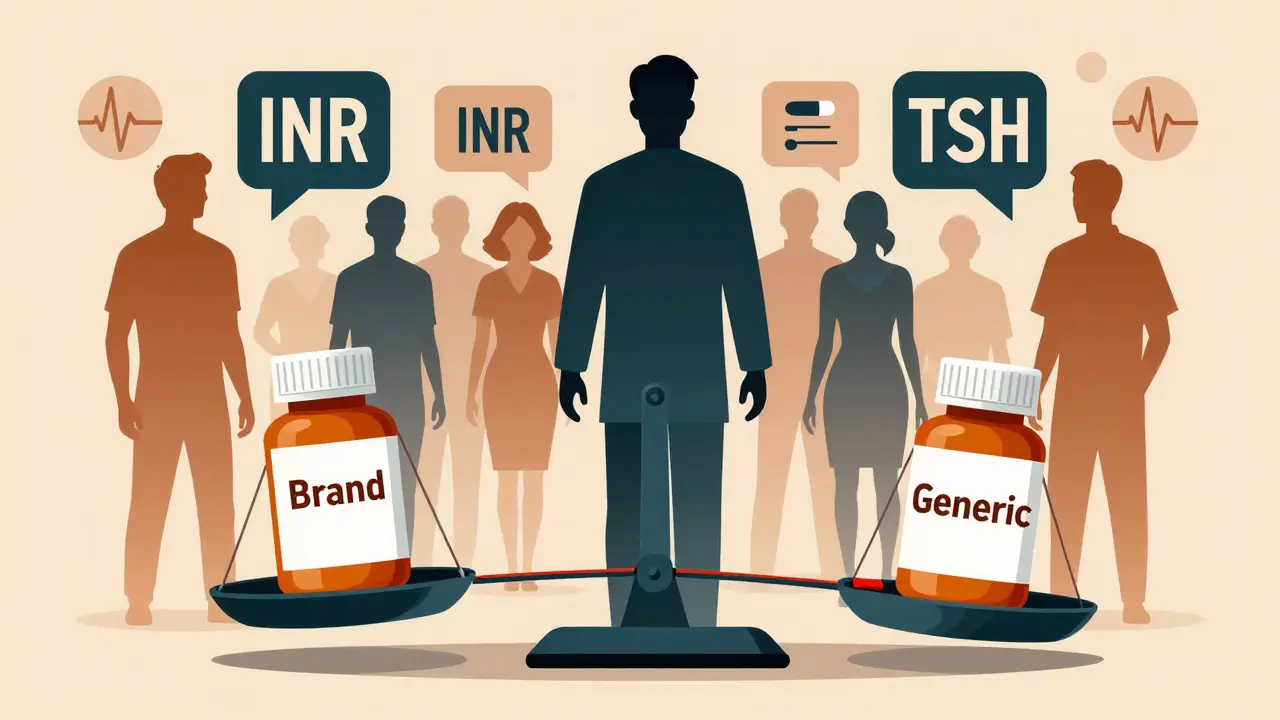
When Doctors Adjust Doses After Switching to Generic Medications
Switching to generic medications can be safe-but for drugs with a narrow therapeutic index, even small changes in formulation can require dose adjustments. Learn which meds need monitoring and what to do if you feel different after a switch.
Read more
Medication-Induced Hair Loss: Causes and What You Can Do
Medication-induced hair loss is common and often reversible. Learn which drugs cause shedding, how long it takes to recover, and what treatments actually work-from minoxidil to scalp cooling.
Read more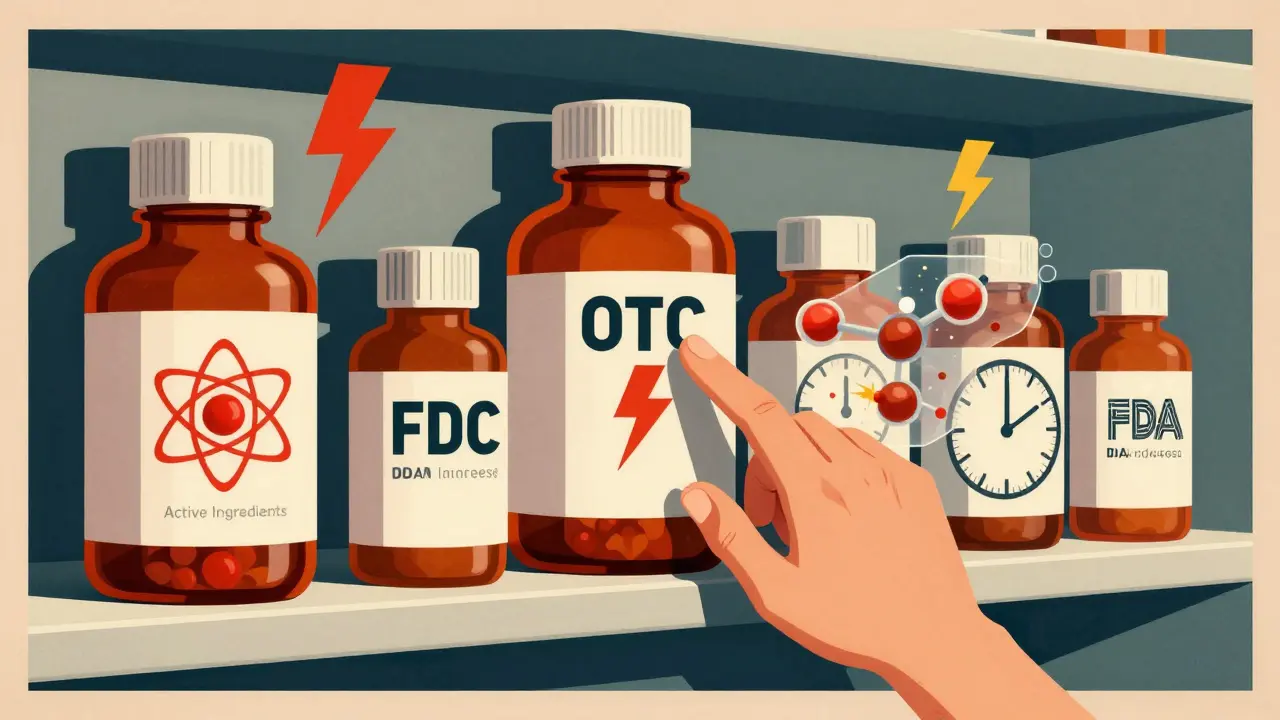
How to Read OTC Drug Facts Labels Correctly and Confidently
Learn how to read OTC drug facts labels to avoid dangerous overdoses, allergic reactions, and medication errors. Understand active ingredients, warnings, and directions to use over-the-counter medicines safely.
Read more
Chronic Tension Headaches: Triggers, Prevention, and Proven Treatments
Chronic tension headaches affect millions but are often misunderstood. Learn the real triggers, proven treatments, and how to stop the cycle - backed by science and patient experience.
Read more
Drug Safety Signals and Clinical Trials: How Hidden Risks Emerge After Approval
Drug safety signals often emerge only after medications are widely used. Learn how hidden risks appear in clinical trials, how regulators detect them, and why real-world data is critical for patient safety.
Read more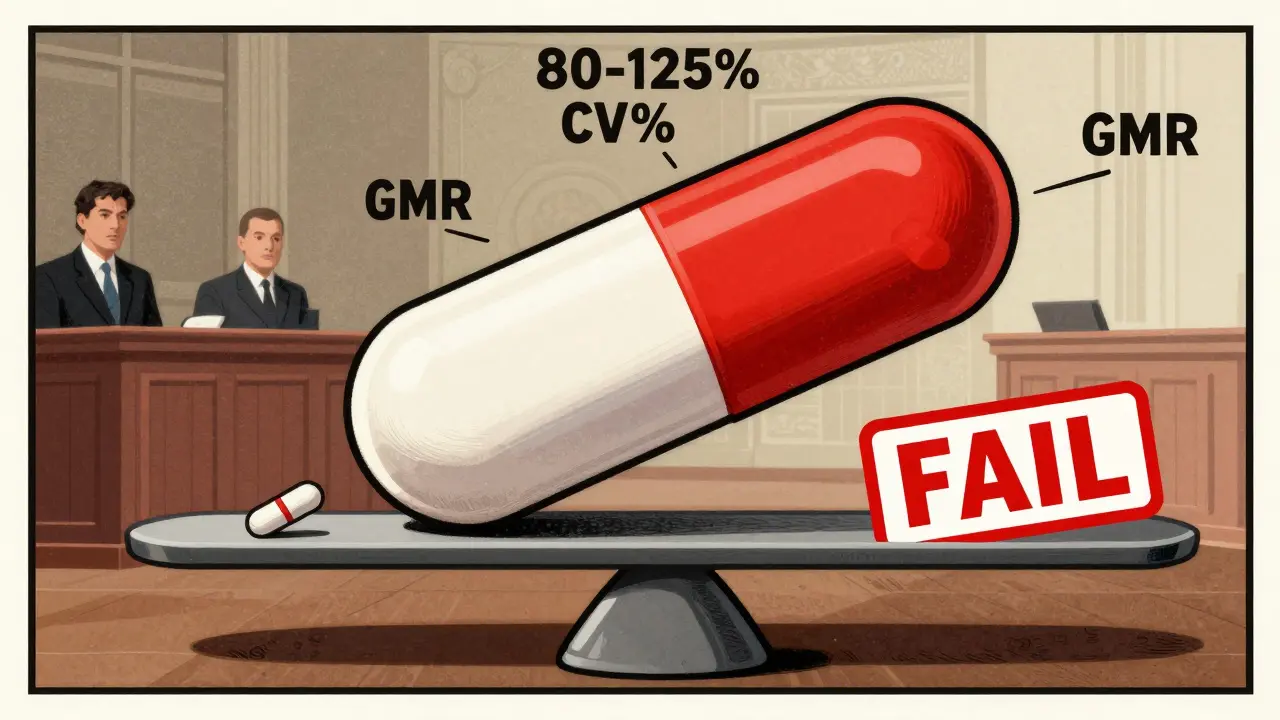
Statistical Analysis in BE Studies: How to Calculate Power and Sample Size Correctly
Learn how to correctly calculate power and sample size for bioequivalence studies to avoid costly failures. Understand CV%, GMR, RSABE, and regulatory expectations from FDA and EMA.
Read more
In Vivo vs In Vitro Bioequivalence Testing: When Each Is Used
In vivo and in vitro bioequivalence testing are key to approving generic drugs. In vivo uses human trials; in vitro uses lab tests. Learn when each is required and why regulators choose one over the other.
Read more
Caloric Deficit and Weight Loss: What Really Works for Lasting Results
Understanding caloric deficit is essential for real, lasting weight loss. This article breaks down how energy balance works, why metabolism slows down, and what actually leads to sustainable fat loss - backed by science and real-world data.
Read more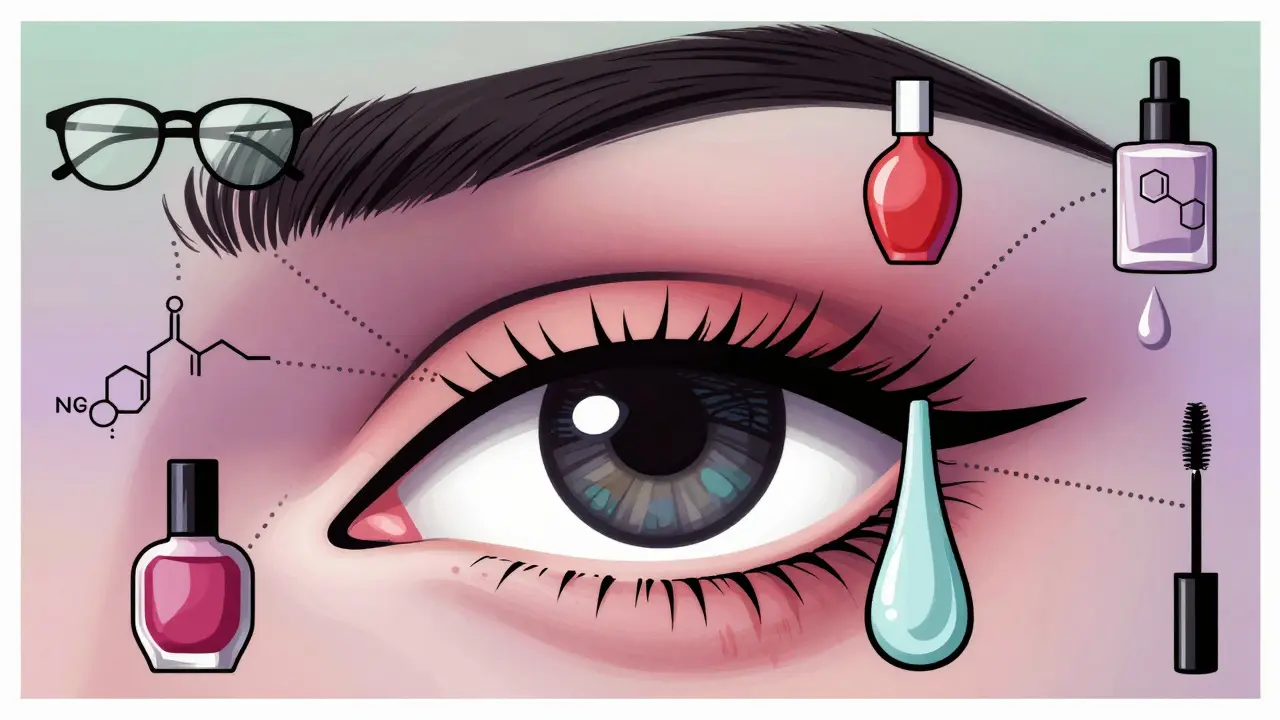
Eyelid Dermatitis: Common Cosmetic Allergens and How to Treat Them
Eyelid dermatitis is often caused by hidden allergens in cosmetics, nail polish, and hair products. Learn the top triggers, how patch testing works, and how to treat it safely without worsening the rash.
Read more