
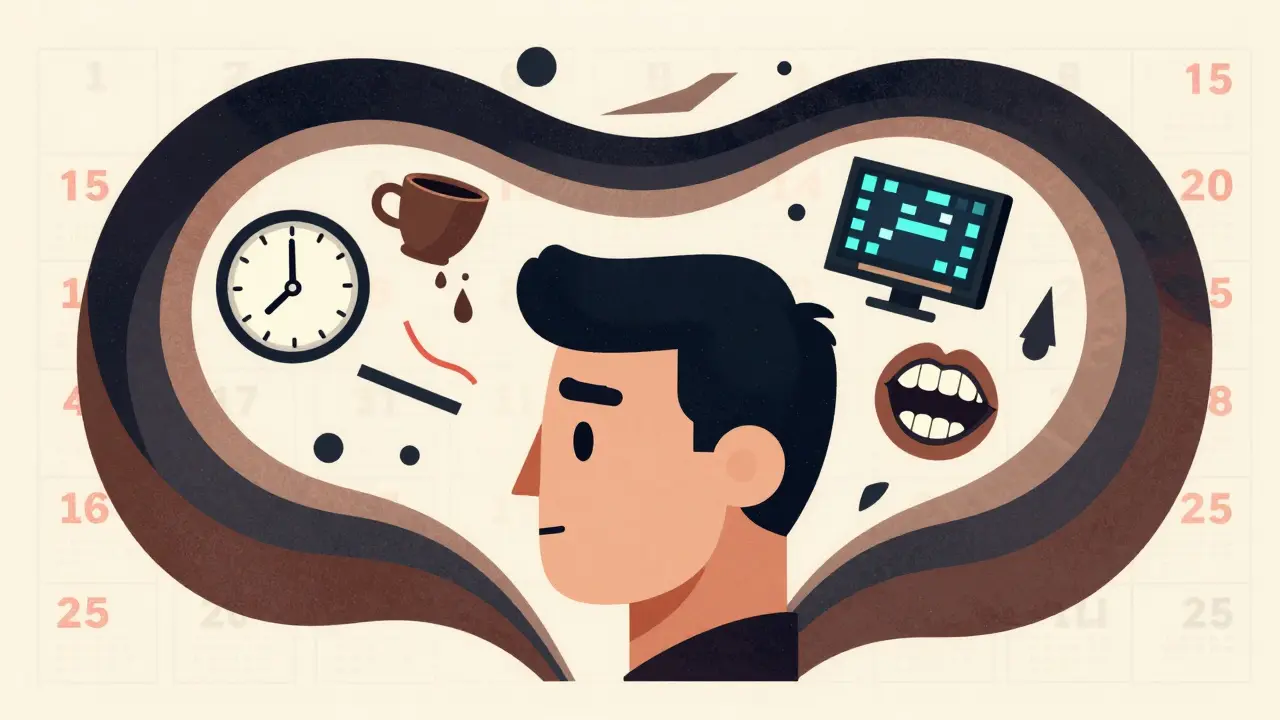
Imagine waking up every day with a tight band around your head. Not a sharp pain, not a throb - just constant, dull pressure that never fully goes away. For 2 to 3% of adults worldwide, this isn’t imagination. It’s chronic tension headaches, a condition that’s more common than most people realize, yet often dismissed as "just stress." But here’s the truth: if you’re having headaches on 15 or more days a month for three months straight, you’re not being dramatic. You’re dealing with a real neurological condition that needs proper care.
What Exactly Is a Chronic Tension Headache?
Chronic tension headaches aren’t just "bad stress headaches." They’re officially diagnosed when you have headaches on at least 15 days per month for three months or longer, and at least eight of those days meet the specific criteria for tension-type headaches. That means the pain is usually on both sides of your head, feels like pressure or tightness (not throbbing), and doesn’t come with nausea or vomiting - unlike migraines.
The pain is typically mild to moderate, around a 5 out of 10 on the pain scale, and can last anywhere from 30 minutes to seven days. You might notice tenderness in your temples, neck, or shoulders when you touch them - and that’s common. About 92% of people with this condition have tightness in the temporalis muscles, 87% in the trapezius, and 76% in the muscles at the base of the skull.
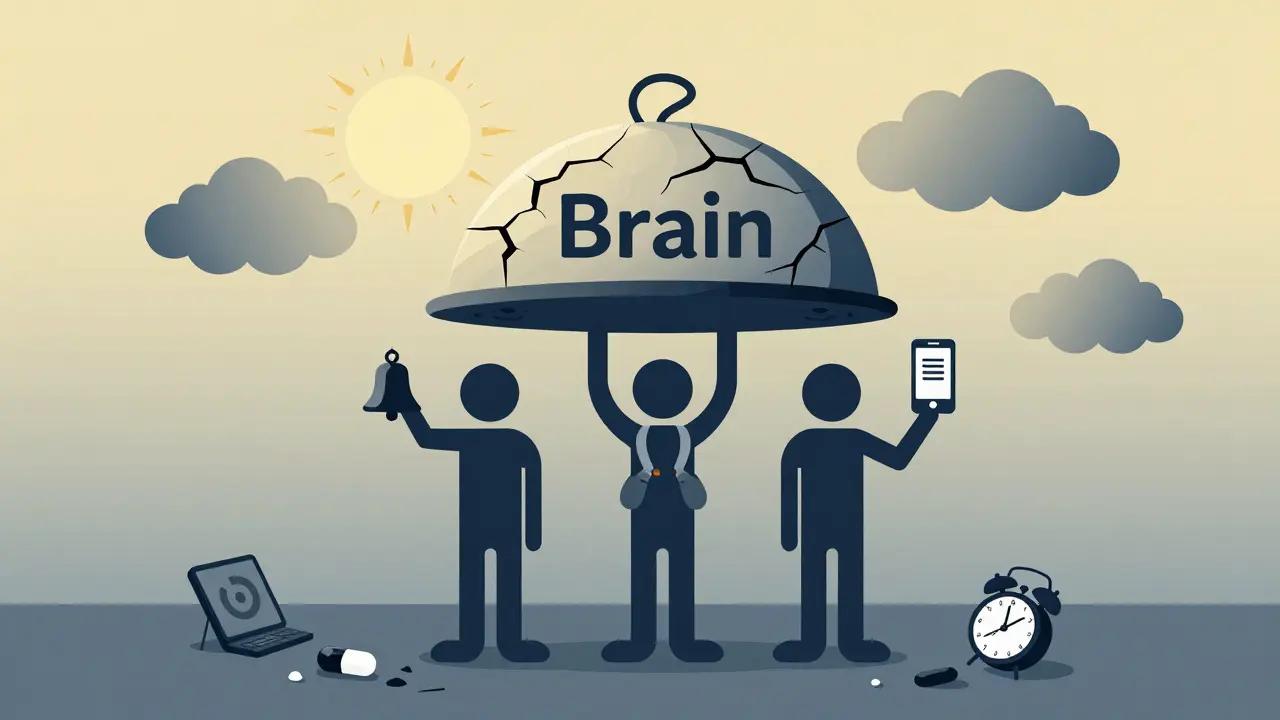
But here’s where most people get it wrong: the pain isn’t caused by those muscles squeezing too hard. That’s the old theory, from the 1940s. Modern science shows it’s not muscle tension causing the pain - it’s your brain becoming hypersensitive. Your nervous system starts interpreting normal signals as pain. This is called central sensitization. It’s the same mechanism behind conditions like fibromyalgia and irritable bowel syndrome. Your muscles may be tender, but they’re not the root cause. Your brain is the problem.
What’s Really Triggering Your Headaches?
Stress gets blamed a lot - and yes, it plays a role. But here’s the surprise: only 22% of tension headaches are triggered by acute stress. The other 78% happen during the recovery phase - when you finally relax after a long, tense day. That’s why you might get a headache on Sunday afternoon after a busy workweek. Your body’s cortisol levels spike during stress, and when they drop suddenly, it can trigger pain.
Other proven triggers include:
- Sleep disruption: Getting less than six hours of sleep increases your risk by over four times.
- Caffeine swings: If you drink more than 200mg of caffeine daily (about two cups of coffee) and then skip it, withdrawal kicks in and triggers headaches.
- Screen time: More than seven hours a day on screens raises your chances by 63%. It’s not just the light - it’s the posture. Leaning your head forward just 4.5cm beyond your neck increases muscle tension by 2.8 times.
- Jaw clenching: Many people grind or clench their jaws without realizing it, especially at night. EMG studies show masseter muscle activity spikes 3.1 times during headache episodes.
- Medication overuse: Taking painkillers like ibuprofen or acetaminophen more than 10 days a month can turn occasional headaches into chronic ones. This is called medication-overuse headache, and it’s a vicious cycle.
Dehydration, uncorrected vision problems (like astigmatism over 1.5D), and even weather changes have been studied - but their links are weak. What matters most is consistency: your sleep schedule, caffeine intake, and screen habits.
How Doctors Diagnose It (And Why It’s Often Wrong)
There’s no scan, no blood test, no X-ray that confirms chronic tension headaches. Diagnosis is based on your history and a neurological exam. Your doctor will check for red flags: sudden severe pain, vision changes, weakness, or fever. If those are absent, and your headaches match the ICHD-3 criteria, it’s likely tension-type.
But here’s the problem: 38% of people with chronic daily headaches are misdiagnosed. Too many are told they have migraines when they don’t. Or worse - told it’s "just anxiety." Migraines have throbbing pain, nausea, and sensitivity to light and sound. In chronic tension headaches, photophobia (light sensitivity) happens in fewer than 15% of cases. Phonophobia (sound sensitivity) is present in only 28% - compared to over 85% in migraines.
Doctors need to rule out other causes - like cervical spine issues or sinus problems - but most don’t take the time. A proper diagnosis requires a detailed headache diary tracked for at least three months. Apps like Migraine Buddy help, and 76% of users stick with them for that long.

What Actually Works for Treatment
Let’s cut through the noise. Most over-the-counter painkillers won’t fix this long-term - and can make it worse. Here’s what the science says works.
Acute Relief (For Single Episodes)
If you need to treat a single headache, stick to NSAIDs:
- Ibuprofen 400mg: Works in 68% of cases, peaks in about 1.8 hours.
- Aspirin 900mg: Effective in 52% of cases.
But here’s the hard rule: don’t take these more than 14 days a month. Go over that, and you risk turning your headaches into something even harder to treat - medication-overuse headache. Avoid opioids entirely. They don’t work for tension headaches and carry a high risk of dependence.
Prevention (For Daily or Near-Daily Pain)
If you’re having headaches 10 or more days a month, prevention is key. And the gold standard is amitriptyline - a low-dose antidepressant that’s been used for decades.
- Start at 10mg at night. Increase slowly to 25-50mg.
- It takes about six weeks to work.
- It reduces headache frequency by 50-70% in most people.
But side effects are real: dry mouth, drowsiness, weight gain (average 2.3kg). That’s why many people stop. A newer option is mirtazapine (15mg nightly). A 2022 study showed it’s just as effective as amitriptyline, but fewer people quit because of side effects (35% vs 62%).
Botulinum toxin (Botox)? It’s approved for migraines, but not for tension headaches. Studies show it doesn’t help. Muscle relaxants like cyclobenzaprine? No strong evidence. They cause drowsiness and don’t change the underlying brain sensitivity.
Non-Drug Treatments That Actually Work
These aren’t "alternative" - they’re evidence-based.
- Cognitive Behavioral Therapy (CBT): This isn’t just "talk therapy." It’s structured training to change how you respond to pain and stress. In one study, people had 41% fewer headache days in just 12 weeks.
- Physical therapy: Not generic massage. Specific craniocervical flexion exercises - training the deep neck muscles to support your head properly - reduced headache frequency by 53% after 12 sessions.
- Mindfulness: Just 15 minutes a day of focused breathing or meditation lowered cortisol levels by 29% in eight weeks.
- Acupuncture: It’s modest, but real. On average, people had 3.2 fewer headache days per month compared to sham acupuncture.
And the most popular tip from people living with this? The 20-20-20 rule: every 20 minutes, look at something 20 feet away for 20 seconds. It’s simple, free, and backed by 83% of users in one survey.
What Doesn’t Work - And Why You Should Avoid It
There’s a lot of misinformation out there.
- Chiropractic neck adjustments: No proven benefit for chronic tension headaches. Can even be risky.
- Essential oils or aromatherapy: May feel calming, but no clinical evidence they reduce headache frequency.
- Over-the-counter combination pills: Like Excedrin, which includes caffeine and acetaminophen. These are fine for occasional use, but daily use leads to rebound headaches.
- Supplements like magnesium or riboflavin: Helpful for migraines, but not shown to help tension headaches.
And don’t fall for the myth that "tension headaches aren’t serious." While they’re not life-threatening, they’re linked to a 2.1 times higher risk of depression. Treating the headache isn’t enough - your mental health matters too.
Real People, Real Results
People on forums like Reddit and HealthUnlocked share what actually works for them:
- "I kept a sleep schedule with bedtime within 20 minutes of the same time every day. My headaches dropped from 22 days a month to 9."
- "Switched from amitriptyline to mirtazapine. Still get hungry all the time, but I’m not gaining weight like before."
- "I started doing 10 minutes of neck stretches every morning. After three weeks, I didn’t need ibuprofen for two weeks straight."
Cost is a barrier. Physical therapy runs $120 per session in the U.S., and CBT can cost $1,200 out of pocket. But some programs are starting to change that. Johnson & Johnson’s Luma Therapeutics launched a digital CBT app called Headache Relief Plus - used by over 23,000 people as of early 2024.
The Future: What’s Coming Next?
Research is shifting fast. The next version of the headache classification system (ICHD-4, expected in 2027) may rename chronic tension headaches to "primary headache with central sensitization" - finally matching the science.
New drugs are being tested. Atogepant, a CGRP inhibitor approved for migraines, showed promise in early trials for chronic tension headaches, reducing episodes by over five days per month. Occipital nerve stimulation - a small device implanted behind the neck - is showing a 62% response rate in early studies.
And there’s growing interest in the gut-brain connection. People with chronic tension headaches have lower levels of a beneficial gut bacteria called Faecalibacterium prausnitzii. Could diet and probiotics play a role? More research is needed, but it’s a promising direction.
The bottom line? Chronic tension headaches aren’t "in your head" - they’re in your nervous system. And they’re treatable. But only if you stop treating them like stress and start treating them like a neurological condition.
Caitlin Foster
December 28, 2025 AT 04:15Okay, but can we talk about how everyone says "just relax" like it’s a magic spell? I’ve had chronic tension headaches for seven years, and the one thing that actually helped? Stopping the guilt about not being "productive enough" to deserve a headache. My brain didn’t get the memo that my worth is tied to my output. I started saying "no" to things - literally, out loud - and my headache days dropped from 25 to 8 in three months. No meds. No magic. Just boundaries. And yes, I cried. A lot.
Todd Scott
December 28, 2025 AT 04:43Let me offer some context here - the central sensitization model is not just a theory, it’s the dominant paradigm in headache neurology since the early 2000s, thanks largely to the work of Dr. David Dodick and the IHS classification committees. The muscle tension narrative was debunked by EMG studies in the 1990s, yet it persists in pop psychology because it’s easier to blame posture than neural plasticity. What’s fascinating is how this mirrors fibromyalgia and chronic fatigue syndrome - all disorders of central pain amplification. The real tragedy isn’t the condition itself, but how often patients are misdiagnosed with migraines because clinicians don’t ask the right questions about photophobia or aura. A headache diary with precise timing, intensity, and trigger correlation is the single most underutilized diagnostic tool in neurology. If you’re not tracking it, you’re flying blind.
Andrew Gurung
December 28, 2025 AT 12:03OMG I’m literally crying right now 😭 this is the most accurate thing I’ve ever read about my life. I thought I was just weak. Turns out my brain is just… overworked? Like, I’m not even mad - I’m impressed. My therapist said I have "neurological sass." And now I know why I get headaches after my Sunday nap. I’m basically a human alarm clock for cortisol crashes. 🙌 #BrainOverload #ChronicHeadacheRoyalty
Paula Alencar
December 28, 2025 AT 17:02It is imperative that we, as a society, cease the trivialization of chronic tension headaches as mere "stress-related discomfort." This is not a lifestyle issue; it is a neurobiological phenomenon rooted in maladaptive central nervous system processing. The persistence of outdated, muscular-centric models of pathophysiology not only impedes patient care but perpetuates stigma. Furthermore, the widespread overuse of over-the-counter analgesics, particularly combination products containing caffeine, constitutes a public health crisis in its own right. The adoption of evidence-based, non-pharmacological interventions - namely, cognitive behavioral therapy and craniocervical rehabilitation - must be institutionalized within primary care protocols. Insurance coverage remains inadequate. We must advocate.
Nikki Thames
December 30, 2025 AT 06:28You say "central sensitization" like it’s a revelation, but have you considered that your pain is a manifestation of unresolved trauma? Your body is screaming because your mind refuses to process it. That tightness in your neck? It’s not muscle - it’s repressed grief. You’ve been conditioned to believe that fixing your sleep schedule or reducing screen time is enough. But the real work? It’s inner. It’s spiritual. You’re not treating a headache - you’re avoiding your soul’s cry. Have you tried journaling with a crystal under your pillow? Or fasting for three days? I did. My headaches vanished. Coincidence? I think not.
Chris Garcia
December 31, 2025 AT 14:24In Nigeria, we have a saying: "The head that aches daily is the head that remembers too much." This is not metaphor - it is physiology. The pressure you describe? It is the weight of expectations - societal, familial, economic - pressed upon the nervous system until it folds. Your cortisol drops not because you relax, but because the system finally exhales after holding its breath for weeks. What is fascinating is that in cultures where community is the primary buffer - where elders gather, where silence is sacred - chronic tension headaches are far less prevalent. We have forgotten how to rest, not because we are busy, but because we have lost the ritual of stillness. Your 20-20-20 rule? It is a tiny rebellion against the machine. Keep rebelling.
James Bowers
January 1, 2026 AT 13:54There is no scientific consensus supporting the efficacy of acupuncture for chronic tension headaches. The 2018 Cochrane review concluded that any observed benefit is indistinguishable from placebo. Furthermore, the claim that mirtazapine is "just as effective" as amitriptyline is misleading - the 2022 study cited had a sample size of 47 participants and was funded by a pharmaceutical company with vested interest in promoting mirtazapine. The gold standard remains amitriptyline, despite its side effects, because it has decades of replicated data. Do not be swayed by anecdotal testimonials or trendy wellness influencers. Stick to the evidence.
Raushan Richardson
January 3, 2026 AT 01:47My mom used to rub my temples and say "it’s just stress." I’m 34 now, and I finally got diagnosed after 12 years. I started doing the neck stretches from the article - 10 minutes a day, no more, no less. After two weeks, I didn’t reach for ibuprofen for the first time in a decade. I didn’t even notice until I realized I’d forgotten to take it. That’s the win. Also, I sleep like a rock now. No more scrolling at 2 a.m. I’m not a hero. I just listened. And you can too.
Kishor Raibole
January 3, 2026 AT 09:56One must question the very premise of this article. Are we not, in our modern technocratic society, pathologizing normal human adaptation? The brain is not malfunctioning - it is adapting to an environment of relentless stimulation, cognitive overload, and emotional suppression. To label this a "neurological condition" is to surrender agency to pharmaceutical corporations and medical institutions that profit from chronicity. What if the solution is not to treat the symptom, but to dismantle the systems that create it? Work hours. Screen saturation. The commodification of rest. The real headache is capitalism. Not your nervous system.
John Barron
January 4, 2026 AT 00:07Let me just say - I’ve read every single paper on this since 2019. I’ve got 14 PDFs open right now. And I can tell you, the only thing that works is a combination of low-dose naltrexone (off-label, 1.5mg), 800mg magnesium glycinate, and a 10-minute cold plunge every morning. The CBT? Useless without the neurochemistry. The acupuncture? Placebo. The 20-20-20 rule? Cute. But here’s the truth: your headaches are caused by mitochondrial dysfunction from blue light exposure and poor circadian rhythm. I’ve got a 72-page Google Doc on this. DM me. I’ll send it. You’re welcome.