
Medications: Practical Drug Guides, Alternatives & Safety Tips
Looking for clear, useful info about medicines and supplements? You’re in the right place. This page collects straightforward guides on prescription drugs, inhalers, cholesterol treatments, digestive aids, and even lesser-known supplements like Strophanthus. Each post breaks down how a medicine works, common side effects, and real steps you can take today.
How we make these guides useful
We focus on what matters: what the drug treats, the usual way it’s taken, common side effects to watch for, and realistic pros and cons compared with other options. For example, our Ventolin alternatives article lists seven inhaler and medication options and explains when a switch might help asthma or COPD. In the Atorvastatin alternatives piece we explain newer choices like PCSK9 inhibitors such as evolocumab, how they’re given, and who might consider them.
Every guide names the drug’s generic name, typical dosing forms (pill, injection, inhaler), and practical advice like monitoring needs or cost considerations. We avoid medical jargon so you can read fast and act faster.
Practical steps before you change or start a medication
Ask these simple questions when you talk with your doctor or pharmacist: What is the exact benefit I should expect? How and when do I take it? What side effects are common and which ones need urgent care? Will this interact with my other drugs or supplements? Do I need blood tests or follow-up visits?
Check labels for the generic name and active ingredients — that helps avoid accidental doubles if you switch brands. If you’re taking herbal supplements like Strophanthus, tell your provider. Some herbs affect heart rhythm or interact with prescription meds.
Pay attention during the first weeks of a new drug. Keep a simple log: day, dose, how you felt, and any side effects. That record makes follow-up visits far more productive. If you notice trouble breathing, severe rash, yellowing skin, unusual bruising, or fainting — get medical help right away.
Our specific articles include clear, practical angles: "Flutamide: The Basics Behind How It Works" explains why flutamide is used in prostate cancer and what liver checks to expect. "Exploring 7 Effective Alternatives to Motilium" offers gentle options like probiotics and ginger alongside prescription choices. The Strophanthus guide explains why some people try botanical heart supplements and what safety checks to run first.
No single article replaces your clinician, but these guides give you the questions and context to make smarter decisions together. Use this category to compare options, learn what monitoring looks like, and prepare for a productive talk with your provider. If you want a quick starting point, pick a topic above and read the short practical checklist at the end of each article — it’s built to help you act right away.

QT Prolongation: Medications That Raise Arrhythmia Risk
QT prolongation can lead to life-threatening arrhythmias. Learn which medications raise this risk, who's most vulnerable, and how to prevent dangerous heart rhythms through simple monitoring and smart prescribing.
Read more
Bioequivalent Medications: What the Term Really Means
Bioequivalent medications are generic drugs proven to work the same way as brand-name versions in your body. Learn how regulators test for equivalence, why it matters, and what the data says about real-world use.
Read more
Cranberry Products and Warfarin: What You Need to Know About Bleeding Risk
Cranberry products can dangerously increase the blood-thinning effect of warfarin, raising INR levels and risk of serious bleeding. Learn why even small amounts pose a threat and what to do instead.
Read more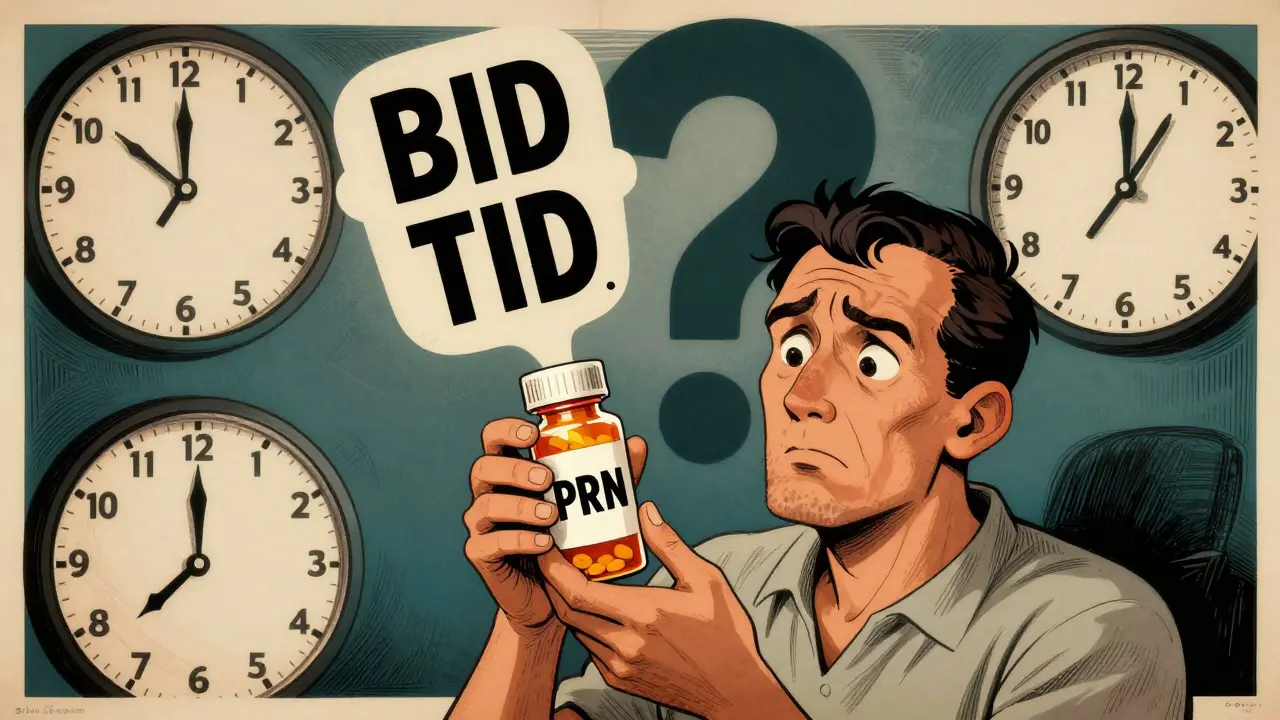
How to Read Prescription Label Directions Like BID, TID, and PRN
Learn how to read common prescription abbreviations like BID, TID, and PRN to take your meds safely and correctly. Understand timing, avoid errors, and know what to ask your pharmacist.
Read more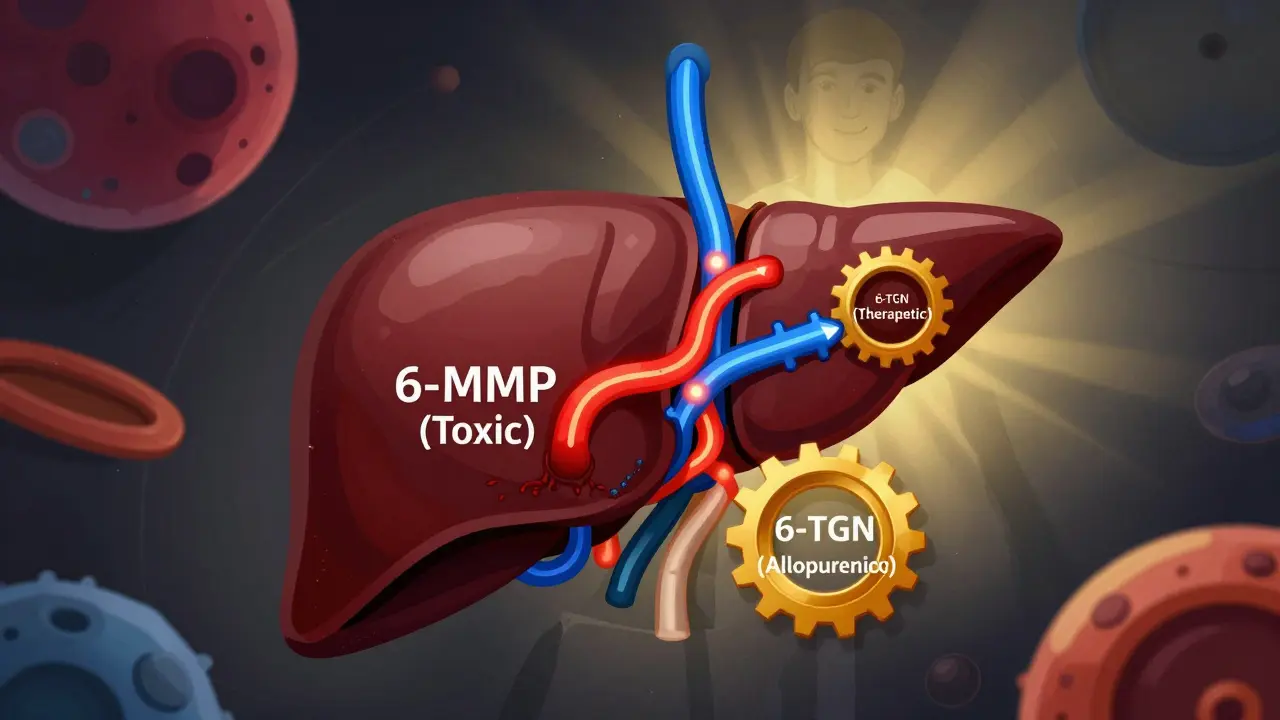
Azathioprine and Allopurinol: How the Combination Prevents Toxic Metabolite Buildup
LDAA therapy combines low-dose azathioprine with allopurinol to redirect toxic metabolite buildup in IBD patients. It’s effective for those with high TPMT activity and liver damage from standard therapy - but only with strict dosing and monitoring.
Read more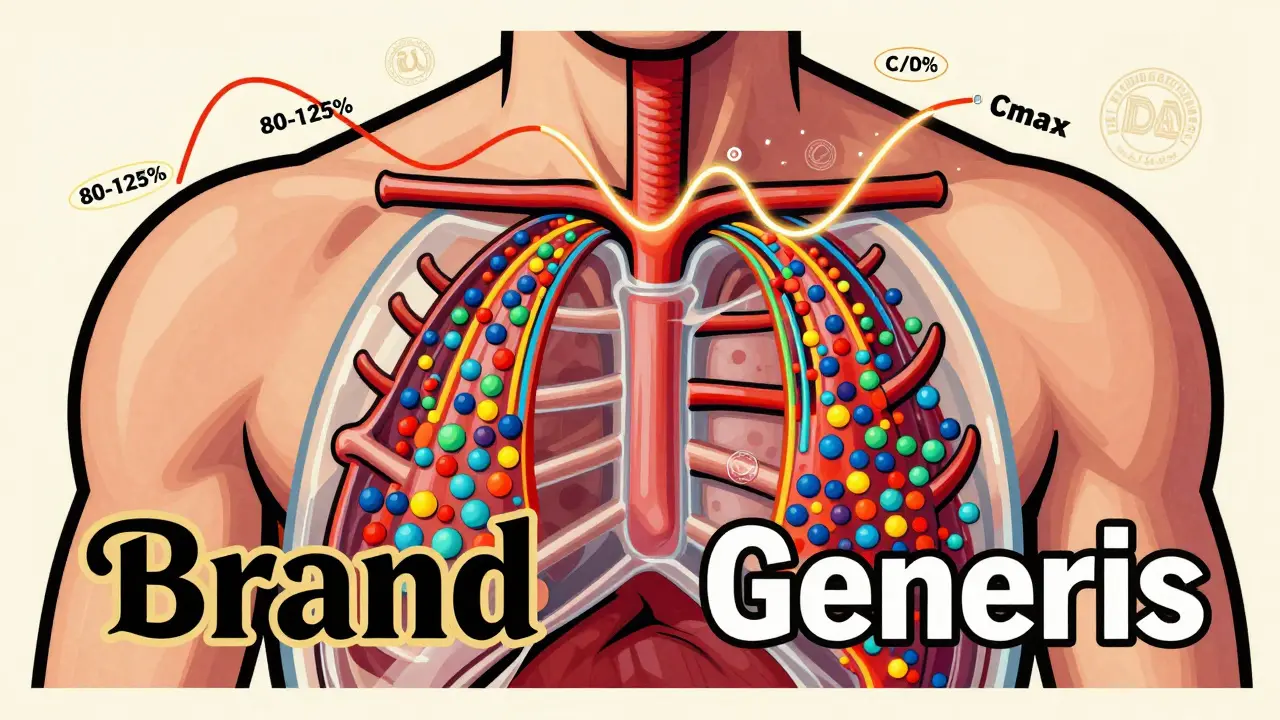
Generic Absorption Rates: How They Must Match Brand Drugs to Be Safe and Effective
Generic drugs must match brand-name absorption rates within strict FDA limits to be approved. Learn how bioequivalence works, why some patients feel differences, and why generics are safe and effective.
Read more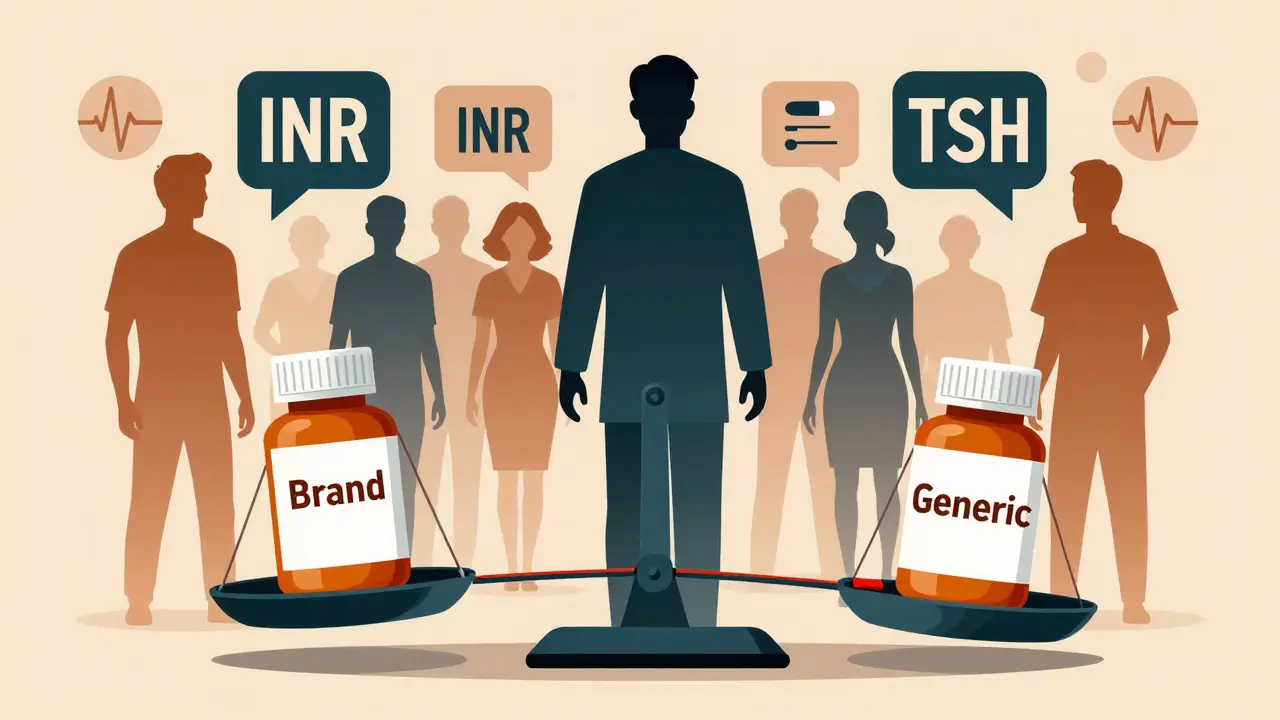
When Doctors Adjust Doses After Switching to Generic Medications
Switching to generic medications can be safe-but for drugs with a narrow therapeutic index, even small changes in formulation can require dose adjustments. Learn which meds need monitoring and what to do if you feel different after a switch.
Read more
Anticholinergic Burden in Older Adults: How Common Medications Affect Memory and Thinking
Anticholinergic burden from common senior medications like Benadryl and oxybutynin can significantly increase dementia risk and impair memory. Learn which drugs are most dangerous and what to do about them.
Read more
Antihistamines: First-Generation vs. Second-Generation Compared
First-generation antihistamines like Benadryl work fast but cause drowsiness. Second-generation options like Zyrtec and Claritin are non-drowsy and better for daily use. Learn which one suits your needs.
Read more
Antibiotics in Children: When to Use Them and What Side Effects to Watch For
Antibiotics don't work for most childhood illnesses, yet they're often overused. Learn when they're truly needed, common side effects, how to spot real allergies, and why finishing the full course matters for your child's health and the planet's.
Read more