

Why Metformin Is Changing How We Treat PCOS
Polycystic Ovary Syndrome (PCOS) affects about 1 in 10 women of reproductive age. It’s not just about irregular periods or acne. At its core, PCOS is driven by insulin resistance - your body doesn’t use insulin properly, so it makes more of it. That extra insulin pushes your ovaries to produce too much testosterone, which shuts down ovulation. This is why so many women with PCOS struggle to get pregnant. Metformin, a drug originally developed for type 2 diabetes, is now one of the most studied treatments for this problem. It doesn’t force ovulation like other drugs. Instead, it fixes the root cause: insulin resistance.
How Metformin Actually Works in PCOS
Metformin doesn’t work like a hormone. It doesn’t mimic estrogen or progesterone. Instead, it acts on your liver, gut, and muscles. It tells your liver to stop making so much glucose. It slows down how fast sugar gets absorbed from your food. And it helps your muscles take up glucose more efficiently - meaning your body needs less insulin to do the same job. Lower insulin levels mean less testosterone production. That’s the key. When testosterone drops, your ovaries can start working normally again. This isn’t guesswork. Studies using blood tests show women on metformin have clear drops in fasting insulin and free testosterone within just 3 months.
Does Metformin Really Help You Ovulate?
Yes - but not always on its own. A Cochrane review of 44 studies found that women taking metformin were about 2.5 times more likely to ovulate than those on placebo. That’s significant. But here’s the catch: if you’re trying to get pregnant, metformin alone isn’t the fastest path. One 2023 study of 72 women showed that 69% ovulated with metformin alone, but 89% ovulated when metformin was combined with letrozole. That’s a big difference. Metformin works best as a partner, not a solo player. It makes other fertility drugs work better. It also lowers your risk of ovarian hyperstimulation syndrome (OHSS) during IVF by more than 70%. That’s a game-changer for women who’ve had bad reactions to injectable fertility drugs before.
Metformin vs. Clomiphene vs. Letrozole
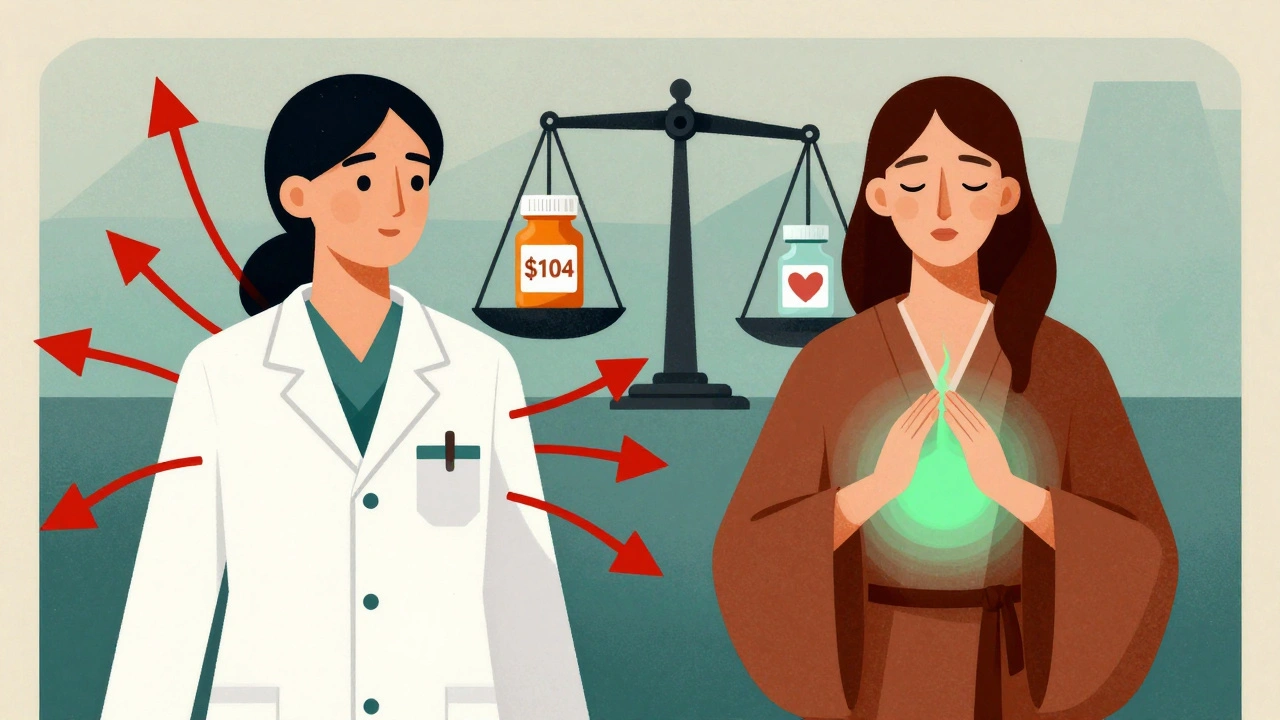
For years, clomiphene citrate was the go-to first-line drug for PCOS infertility. But recent data is shifting that. A 2023 analysis in Annals of Translational Medicine found that for non-obese women with PCOS and clear insulin resistance, metformin performed just as well as clomiphene - and with fewer side effects like hot flashes and mood swings. Letrozole, now recommended by ASRM as the top choice, still beats metformin in direct ovulation rates. But here’s what most clinics don’t tell you: letrozole costs $50-$100 a cycle. Metformin? Generic versions cost $4-$10 a month. If you’re planning to try for several months, the cost difference adds up fast. And unlike clomiphene, metformin doesn’t thin your uterine lining. That means better implantation chances down the line.
Who Benefits Most From Metformin?
Not every woman with PCOS responds the same way. The best candidates are those with:
- Insulin resistance (confirmed by fasting insulin or HOMA-IR test)
- Normal or only mildly elevated BMI (under 30)
- Irregular cycles but no severe metabolic issues
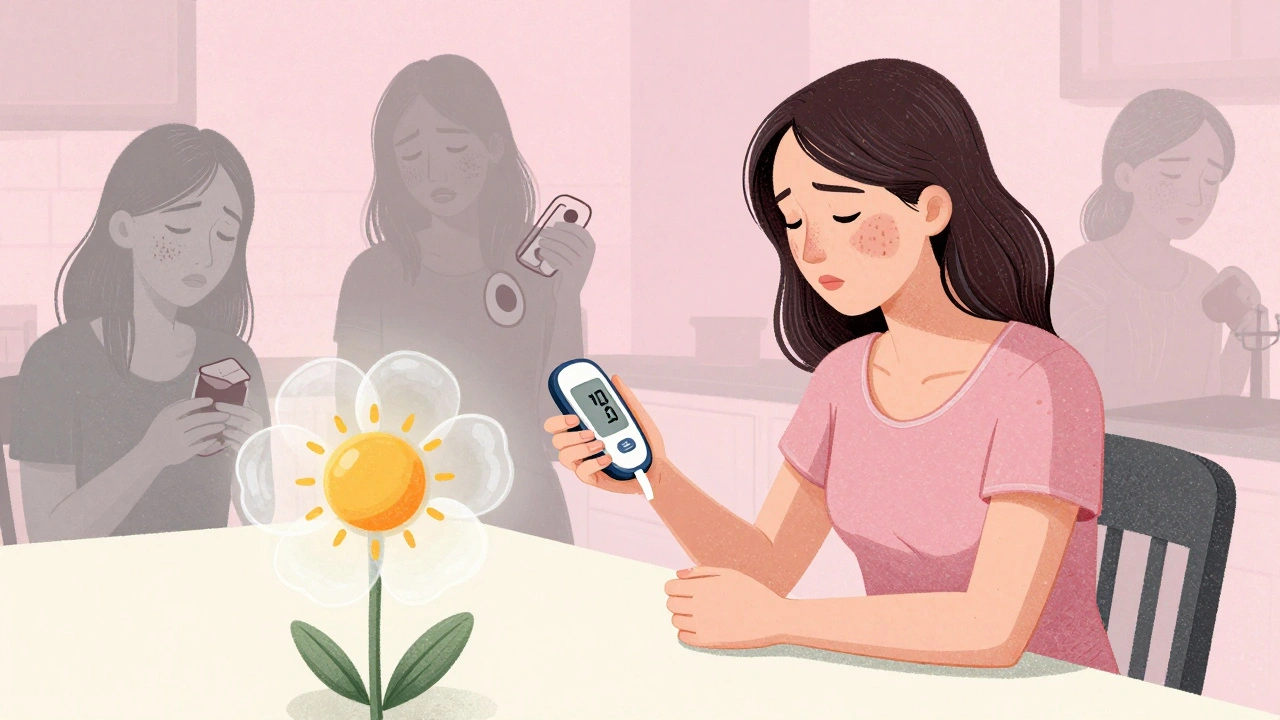
Obese women with PCOS still benefit from metformin - but usually need higher doses and longer treatment times. The real surprise? Women who don’t have obvious signs of insulin resistance often don’t respond at all. That’s why testing matters. If your doctor skips the insulin test and just prescribes metformin, you might be wasting 3-6 months. Look for signs: dark patches on your neck (acanthosis nigricans), constant sugar cravings, or energy crashes after meals. These are red flags for insulin resistance.
How to Take Metformin for PCOS - The Right Way
Most doctors start you on 500mg once a day with dinner. After a week, they bump it to 500mg twice a day. By week 4, you’re usually on 1,500-2,000mg daily. The extended-release version (Glucophage XR) causes far fewer stomach issues - nausea, diarrhea, bloating - which affect about 1 in 3 people at first. Those side effects usually fade after 2-4 weeks. Don’t quit because of them. Stick with it. If they don’t improve, ask for the XR version. You need at least 3 months of consistent use before you’ll see regular periods. Some women report ovulation returning around month 4. Track your cycles with ovulation tests or basal body temperature. Confirm ovulation with a progesterone blood test around day 21 of your cycle. Anything over 3 ng/mL means you ovulated.
Can You Take Metformin While Pregnant?
This is a big question. Some doctors stop it the moment you get a positive pregnancy test. Others keep it going through the first trimester. Why? Because insulin resistance doesn’t disappear after conception. In fact, it often gets worse. A 2023 meta-analysis of 12 trials found that women who kept taking metformin had higher clinical pregnancy rates and lower miscarriage rates than those who stopped. The drug is classified as Category B - meaning animal studies show no risk, and human data hasn’t shown birth defects. Many endocrinologists now recommend continuing it until at least 12 weeks, especially if you have a history of miscarriage or gestational diabetes. Always talk to your OB and endocrinologist together before making this call.
Metformin Isn’t Just for Fertility
Many women stop metformin after they get pregnant - but that’s a mistake if you’re still trying to fix the root problem. PCOS isn’t just a fertility issue. It’s a metabolic disorder. Long-term, women with PCOS have a 3-7 times higher risk of developing type 2 diabetes. Metformin reduces that risk by up to 50% over 10 years, according to the REPOSE trial. It also helps with hirsutism and acne - not as fast as birth control pills, but without the hormonal side effects. If you’re tired of taking pills that suppress your natural hormones, metformin gives you back control. You might not see clear skin until 6-8 months, but the improvement is real and lasting.
What the Research Still Doesn’t Know
Metformin has been used for over 70 years. But we’re still figuring out exactly how it works in PCOS. We know it activates AMPK - a cellular energy sensor - which affects fat burning, inflammation, and hormone balance. But why does it help some women and not others? Why do some ovulate within 3 months and others take a year? We don’t have a biomarker yet to predict response. That’s why some clinics now combine genetic testing with insulin levels to personalize treatment. Also, while metformin improves live birth rates over placebo, the effect is modest. The Cochrane review says it raises live birth rates from 19% to maybe 37%. That’s not a guarantee. But when combined with letrozole? Live birth rates jump to over 50%. That’s why combination therapy is becoming standard.
Real Talk: What Women Are Saying
On Reddit’s r/PCOS, women share stories like: “I was on metformin for 5 months. My period came back on day 28. I got pregnant on cycle 6 with letrozole.” Or: “I stopped metformin after 2 months because I was sick all the time. Switched to XR. No more nausea. Cycle regular in 3 months.” These aren’t outliers. They’re the pattern. The key takeaway? Give it time. Use the right form. Combine it if needed. And don’t treat it like a magic pill. It’s a tool - one that fixes your metabolism so your body can do what it was meant to do.
Bottom Line: When to Choose Metformin
Choose metformin if:
- You have insulin resistance (confirmed by testing)
- You’re not obese or only mildly overweight
- You want to avoid hormonal birth control
- You’re planning to try for pregnancy long-term
- You’ve had bad reactions to clomiphene or IVF drugs
Don’t choose metformin alone if:
- You’re overweight with severe insulin resistance - you’ll need weight loss + metformin
- You want to get pregnant fast - letrozole is faster
- You have no signs of insulin resistance - it won’t help
Metformin isn’t the end-all-be-all. But for the right woman, it’s the most natural, safe, and affordable way to restore ovulation - without suppressing your hormones or breaking your bank.
Does metformin make you lose weight with PCOS?
Metformin doesn’t cause major weight loss on its own, but it can help you lose 2-5% of your body weight over 6 months by reducing cravings and improving how your body stores fat. It’s not a weight-loss drug, but it makes lifestyle changes easier by stabilizing blood sugar.
How long does it take for metformin to start working for PCOS?
You’ll notice fewer sugar crashes and less bloating within 1-2 weeks. Regular periods usually return after 3-4 months. Ovulation may take 4-6 months. Don’t expect instant results - this is a metabolic reset, not a quick fix.
Can I take metformin if I’m not trying to get pregnant?
Yes. Many women take metformin long-term to prevent type 2 diabetes, reduce acne and hirsutism, and regulate cycles. It’s not just for fertility - it’s for long-term metabolic health.
Is metformin safe for the liver and kidneys?
Metformin is safe for most people, but it’s cleared by the kidneys. Your doctor will check your kidney function (eGFR) before starting and yearly after. Avoid it if your eGFR is below 30. It doesn’t harm the liver - in fact, it helps reduce fatty liver, which is common in PCOS.
What happens if I stop taking metformin?
If you stop, your insulin resistance will likely return within weeks. Your periods may become irregular again, and testosterone levels can rise. If you’re trying to conceive, ovulation may stop. For long-term metabolic health, staying on metformin is often recommended, especially if you have prediabetes.
Keasha Trawick
December 12, 2025 AT 20:48Okay, so let me get this straight - metformin doesn’t just ‘help’ with PCOS, it’s basically a metabolic jailbreak? 🤯 It’s not suppressing your hormones like a hormonal dictator, it’s reprogramming your insulin resistance like a rogue biohacker? I mean, we’re talking about a 70-year-old diabetes drug that quietly rewires your endocrine system so your ovaries can finally chill the fuck out. And the best part? It costs less than your monthly Starbucks habit. This isn’t medicine. This is rebellion.
Jennifer Taylor
December 14, 2025 AT 08:43OMG I’M CRYING RN. I was on regular metformin for 2 months and thought I was dying - nausea, diarrhea, felt like my insides were on a rollercoaster. Switched to XR at month 3 and suddenly my period came back like a damn miracle. I didn’t even know I was ovulating until I got a positive OPK on cycle 6. Now I’m preggo at 12 weeks and still taking it. My OB said keep going till 14. I’m not stopping. This drug saved me from becoming a statistic. 🙏💖
Ronan Lansbury
December 14, 2025 AT 16:01Interesting how the pharmaceutical-industrial complex conveniently promotes metformin as a ‘natural’ solution while ignoring the fact that it’s a synthetic compound with long-term unknowns. The Cochrane review? Biased. The studies? Funded by Big Pharma with ties to generic manufacturers. And yet, nobody questions why we’re medicating a metabolic condition instead of addressing diet, circadian rhythm, or environmental endocrine disruptors. The real question: who benefits from keeping women on lifelong metformin?
nina nakamura
December 14, 2025 AT 22:16Shelby Ume
December 16, 2025 AT 04:42Hi everyone - I’m a registered dietitian and I want to gently remind you that metformin works best as part of a holistic approach. It’s not a magic bullet, but it’s a powerful tool when paired with low-glycemic nutrition, sleep hygiene, and stress management. I’ve seen women go from anovulatory to ovulating within 4 months with metformin + 30 mins of daily walking + cutting out ultra-processed carbs. You don’t need to be perfect. Just consistent. And please - get your HOMA-IR tested before starting. Don’t guess. Test.
Jade Hovet
December 17, 2025 AT 03:53SOOOO glad I found this!! I was about to quit metformin after 6 weeks because I thought it was making me depressed 😭 switched to XR and now I’m on day 14 of my first regular cycle in 2 years!! I’m using the Ovia app to track and my BBT is finally spiking!! 🎉 I still get bloated sometimes but it’s WAY better. Also, I started eating more protein at breakfast and it helped so much! 💪✨
John Fred
December 19, 2025 AT 00:22Let’s talk about the AMPK activation - that’s the real MVP here. Metformin doesn’t just lower insulin, it flips the metabolic switch from ‘storage mode’ to ‘burn mode’. It’s like your mitochondria finally got a pep talk. And for women with fatty liver (which is 70% of PCOS cases), this drug is literally reversing hepatic steatosis. It’s not just fertility - it’s cellular repair. The fact that we’re still treating this like a gynecological issue instead of a systemic metabolic disorder is insane.
Jamie Clark
December 20, 2025 AT 17:11Metformin is the quiet revolution no one wants to admit. We’ve been sold a lie that fertility = hormones. But the truth? Hormones are just the symptoms. The disease is insulin resistance - a metabolic plague disguised as a reproductive disorder. We treat acne with birth control, irregular cycles with progesterone, infertility with IVF - but never the root. Metformin doesn’t just help you ovulate. It restores your body’s right to function without artificial intervention. This isn’t pharmacology. This is epigenetic justice.
nithin Kuntumadugu
December 21, 2025 AT 09:48Harriet Wollaston
December 23, 2025 AT 02:50Just wanted to say - if you’re reading this and feeling overwhelmed, you’re not alone. I was diagnosed with PCOS at 22 and thought my body was broken. Took me 3 years to find metformin, and even longer to believe it could help. I’m 30 now, no kids yet, but my cycles are regular, my skin is clearer, and I don’t feel like I’m fighting my own body every day. It’s slow. It’s messy. But it’s worth it. You’re not failing. You’re healing.
sharon soila
December 24, 2025 AT 00:08Metformin is not a cure. It is a bridge. A bridge between metabolic dysfunction and physiological restoration. The body, when given the proper metabolic environment - low insulin, reduced inflammation, improved insulin sensitivity - possesses an innate capacity for self-regulation. To reduce this profound physiological recalibration to a mere pharmaceutical intervention is to misunderstand the nature of healing. This is not a pill. This is a paradigm shift.
Lauren Scrima
December 24, 2025 AT 04:36So… you’re telling me the ‘natural’ solution is a 70-year-old diabetes drug that costs $4/month, has zero hormonal side effects, and actually fixes the root cause - while the ‘standard’ treatment is a $100 pill that suppresses your hormones and makes you cry? 😂 Yep. That’s capitalism for you. Also, I’m still on it. 3 years. No periods before. Regular now. No regrets. (And yes, I still eat cake. I’m not a robot.)