
Category: Health and Medicine - Page 3
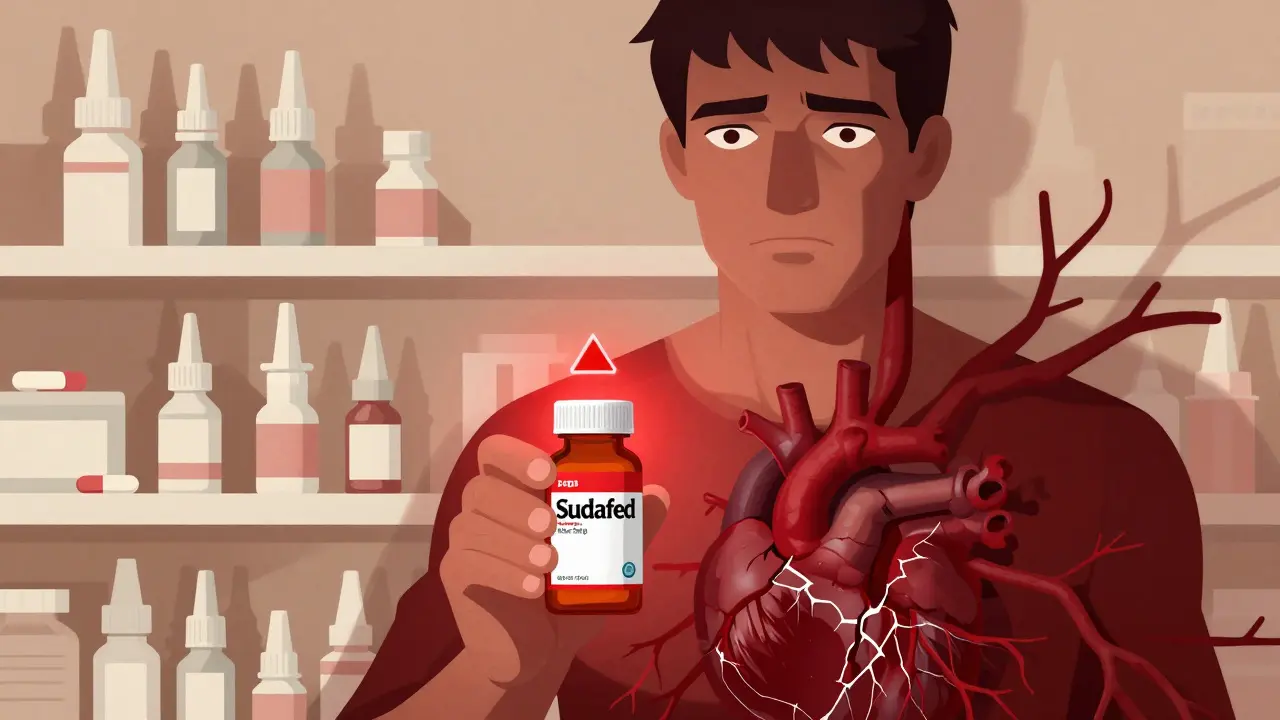
Decongestants and Heart Disease: What You Need to Know About Blood Pressure and Heart Risks
Decongestants like pseudoephedrine and phenylephrine can raise blood pressure and trigger heart complications in people with heart disease. Learn the risks, safe alternatives, and what to do if you're already taking them.
Read more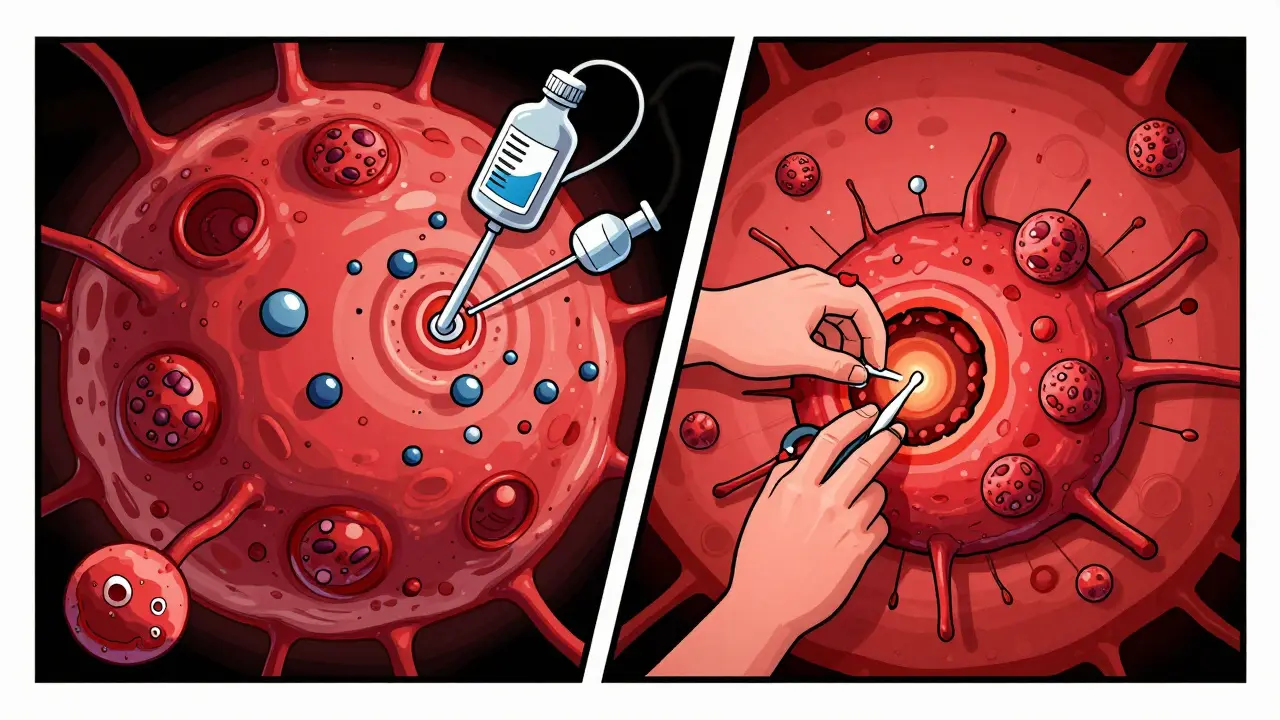
Neoadjuvant vs. Adjuvant Therapy: When to Treat Before or After Surgery for Cancer
Neoadjuvant therapy treats cancer before surgery to shrink tumors and test drug effectiveness, while adjuvant therapy follows surgery to kill leftover cells. New data shows neoadjuvant-only may be just as effective as adding post-surgery treatment-with fewer side effects.
Read more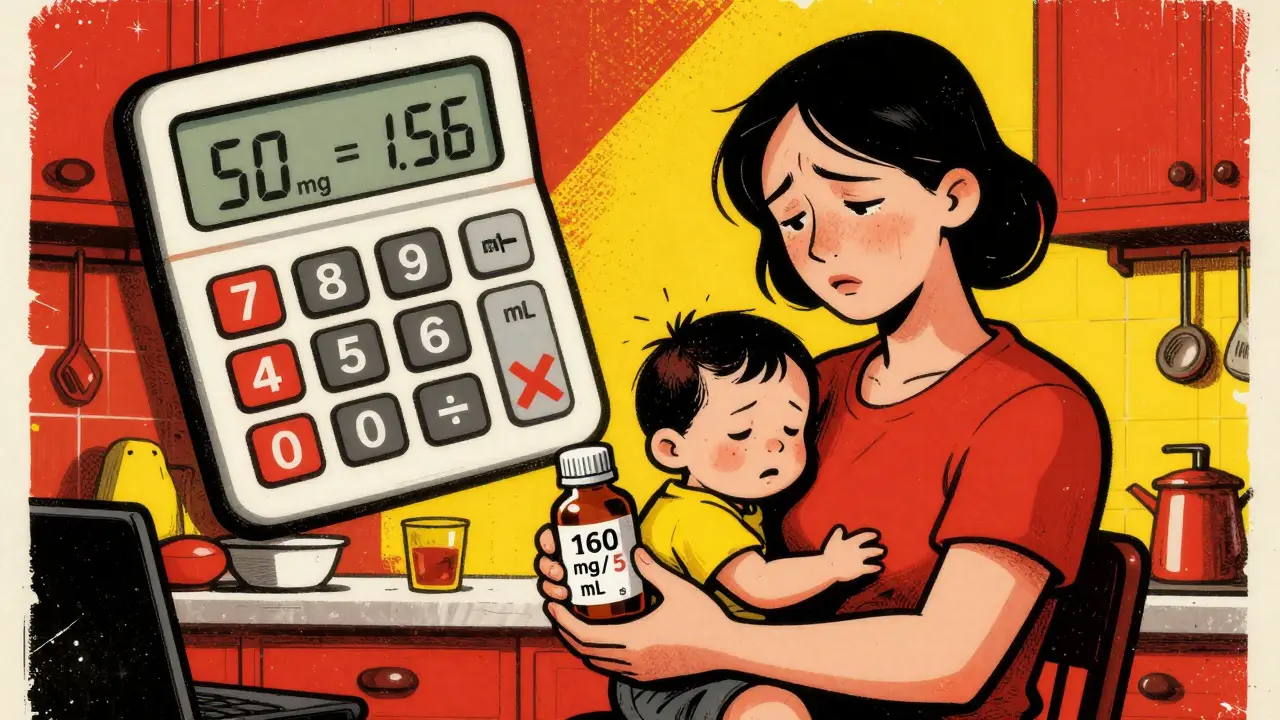
Medication Mistakes in Pediatric Emergencies: Real Cases and How to Prevent Them
Pediatric medication errors are far more common than most realize, with 31% of kids in emergency rooms facing dosing mistakes. Learn the real causes, shocking stats, and proven ways to prevent harm.
Read more
Healthcare Provider Reporting: What Doctors and Nurses Must Report and When
Doctors and nurses must report abuse, public health threats, and professional misconduct by law. Learn what you're required to report, when, and how to stay protected under state laws across the U.S.
Read more
Keratoconus: How Rigid Lenses Restore Vision When the Cornea Thins
Keratoconus causes progressive corneal thinning and blurry vision, but rigid gas permeable and scleral lenses can restore clear sight by creating a smooth optical surface. Learn how they work, how to adapt, and how they compare to other treatments.
Read more
Drug Allergies: Penicillin, NSAIDs, and Desensitization Protocols Explained
Most people labeled penicillin-allergic aren't truly allergic. Learn how drug desensitization lets you safely take needed medications-even if you've had a reaction before. Penicillin, NSAIDs, and protocols explained.
Read more
How to Report a Suspected Adverse Drug Reaction to the FDA
Learn how to report a suspected adverse drug reaction to the FDA using MedWatch. Step-by-step guide for patients, caregivers, and healthcare providers on what to report, how to file, and why it matters for drug safety.
Read more
Medication-Induced Hair Loss: Causes and What You Can Do
Medication-induced hair loss is common and often reversible. Learn which drugs cause shedding, how long it takes to recover, and what treatments actually work-from minoxidil to scalp cooling.
Read more
How to Read OTC Drug Facts Labels Correctly and Confidently
Learn how to read OTC drug facts labels to avoid dangerous overdoses, allergic reactions, and medication errors. Understand active ingredients, warnings, and directions to use over-the-counter medicines safely.
Read more
Chronic Tension Headaches: Triggers, Prevention, and Proven Treatments
Chronic tension headaches affect millions but are often misunderstood. Learn the real triggers, proven treatments, and how to stop the cycle - backed by science and patient experience.
Read more