
Generic Drugs: What They Are, Why They Matter, and What You Need to Know
When you hear generic drugs, lower-cost versions of brand-name medications that contain the same active ingredient and meet the same FDA standards for effectiveness. Also known as generic medications, they make up over 90% of prescriptions filled in the U.S. and save patients billions every year. But here’s the thing: even though they’re supposed to work the same, some people swear their generic pill doesn’t feel right. That’s not just in their head. It’s often about the inactive ingredients, fillers, dyes, and binders that hold the pill together but don’t treat your condition. These can change between manufacturers — and your body might react to them differently than to the brand version.
That’s why switching from brand to generic isn’t always simple. For drugs with a narrow therapeutic index, medications where even tiny changes in blood levels can cause harm or reduce effectiveness — like warfarin, levothyroxine, or seizure meds — small differences in absorption can throw off your whole treatment. That’s why your doctor might monitor your INR or thyroid levels closely after a switch. The FDA approval, the process that ensures generic drugs are bioequivalent to their brand-name counterparts sounds solid, but it doesn’t guarantee identical side effects. Manufacturing changes, different formulations, and even the shape or coating of a pill can affect how fast your body absorbs the drug.
And it’s not just about pills. The same rules apply to liquids, patches, and inhalers. A change in the base solution of an eye drop or the propellant in an inhaler can make a real difference in how well it works. That’s why you should always check with your pharmacist when your generic switches brands. Don’t assume it’s the same just because the name changed. If you notice new side effects, worse symptoms, or anything that feels off after switching — speak up. Your experience matters. Below, you’ll find real stories and science-backed guides on how generics work, when they might not, and how to protect yourself when the price drops but your health stays the same.
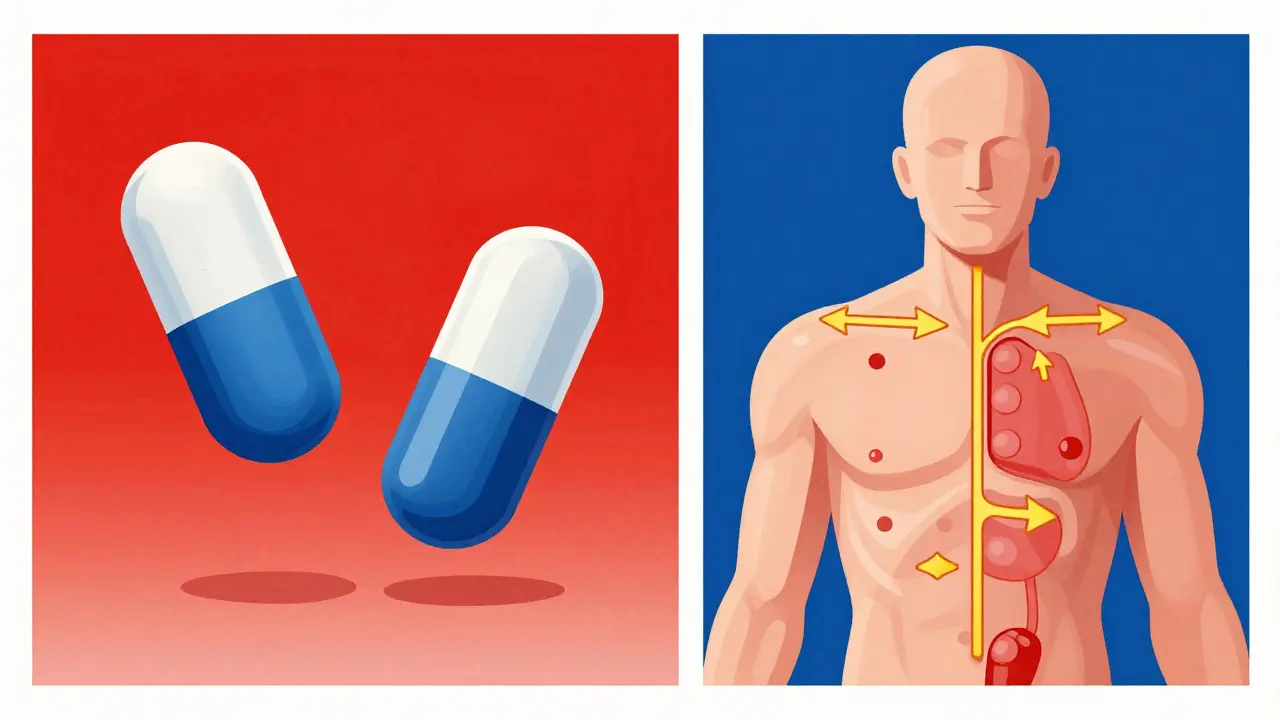
Bioequivalent Medications: What the Term Really Means
Bioequivalent medications are generic drugs proven to work the same way as brand-name versions in your body. Learn how regulators test for equivalence, why it matters, and what the data says about real-world use.
Read more
Therapeutic Equivalence: Are Authorized Generics Really the Same as Brand Drugs?
Authorized generics are identical to brand-name drugs in every way - same ingredients, same manufacturer, same quality. Learn how they compare, why they’re not listed in the Orange Book, and when they’re the best choice for patients.
Read more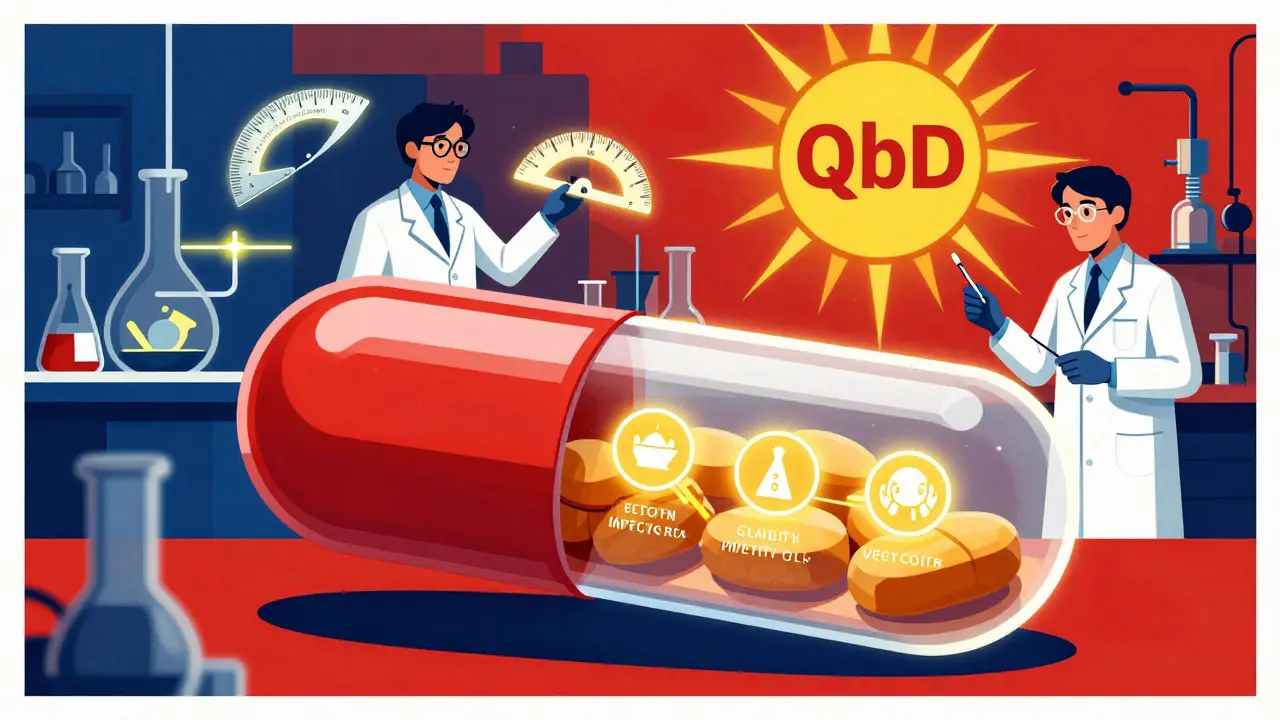
Quality by Design in Generic Drug Development: Modern Science-Based Approaches
Quality by Design (QbD) is now the standard for generic drug development, replacing outdated testing methods with science-based process control. Learn how QbD improves bioequivalence, cuts approval times, and saves millions-while ensuring every generic pill works as intended.
Read more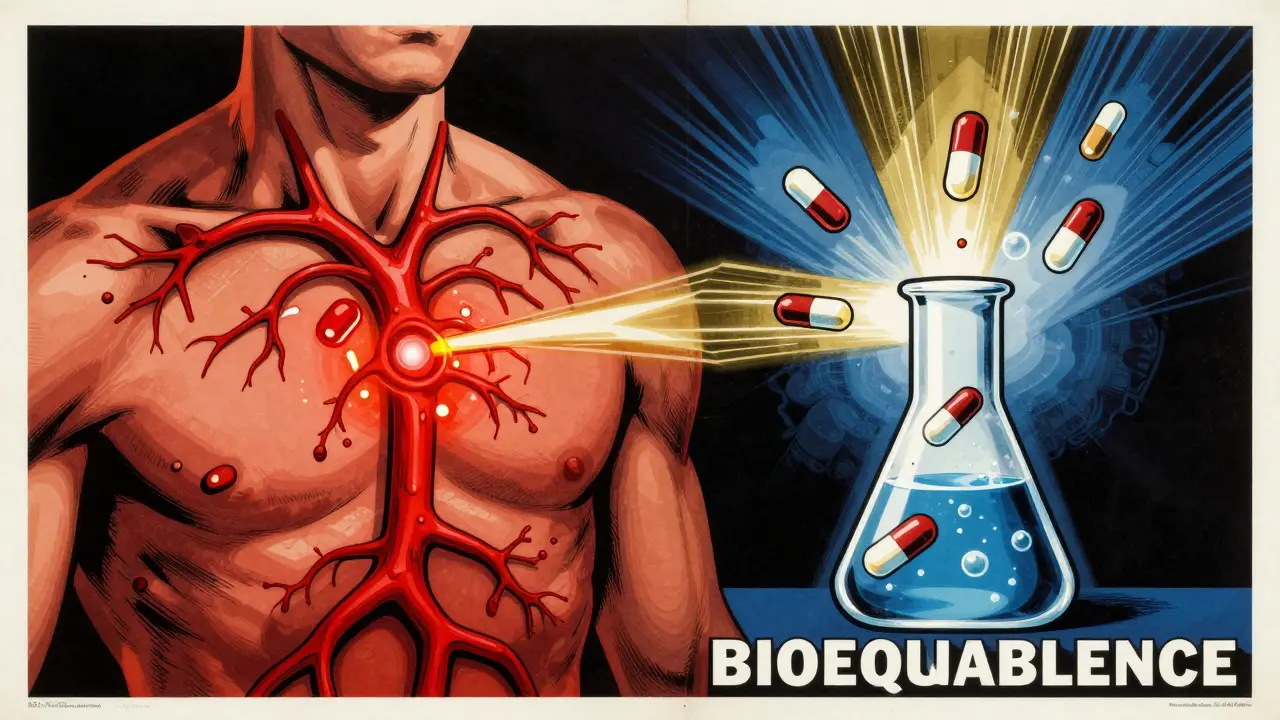
In Vivo vs In Vitro Bioequivalence Testing: When Each Is Used
In vivo and in vitro bioequivalence testing are key to approving generic drugs. In vivo uses human trials; in vitro uses lab tests. Learn when each is required and why regulators choose one over the other.
Read more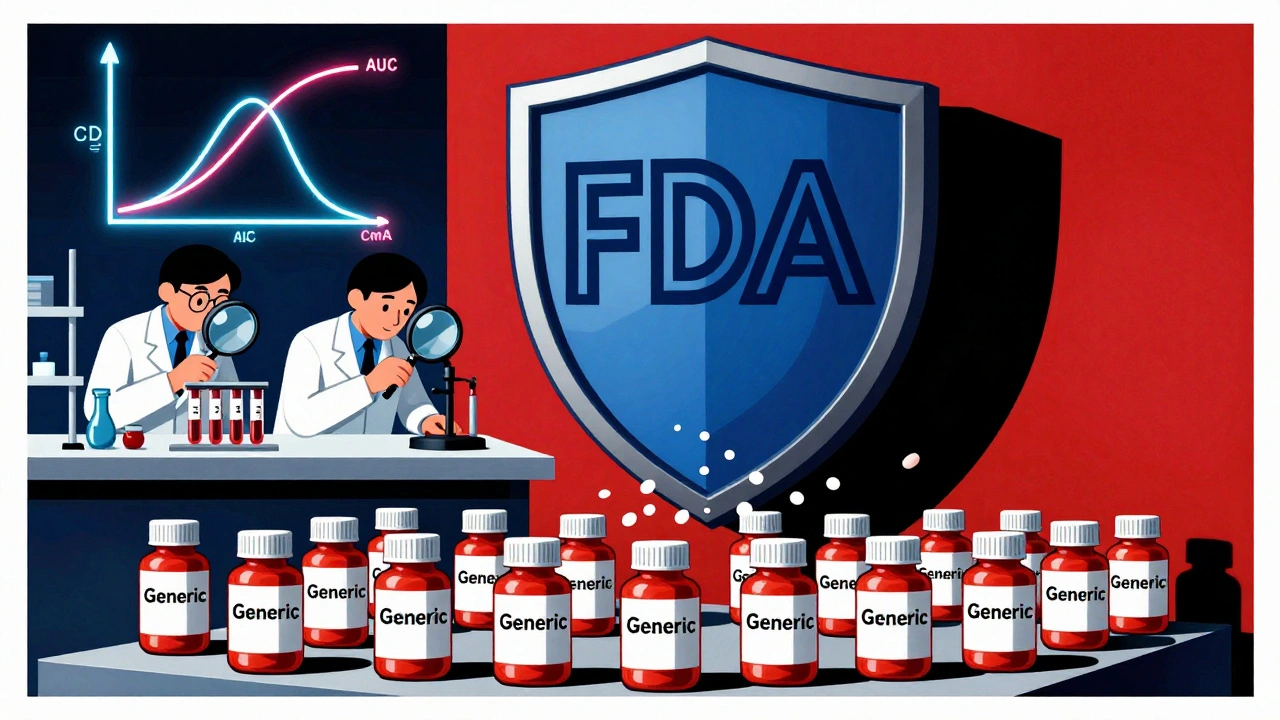
FDA Regulatory Authority: How the Agency Approves Generic Drugs
The FDA ensures generic drugs are safe and effective through the ANDA process, requiring bioequivalence to brand-name drugs. This system saves billions annually while maintaining strict quality standards.
Read more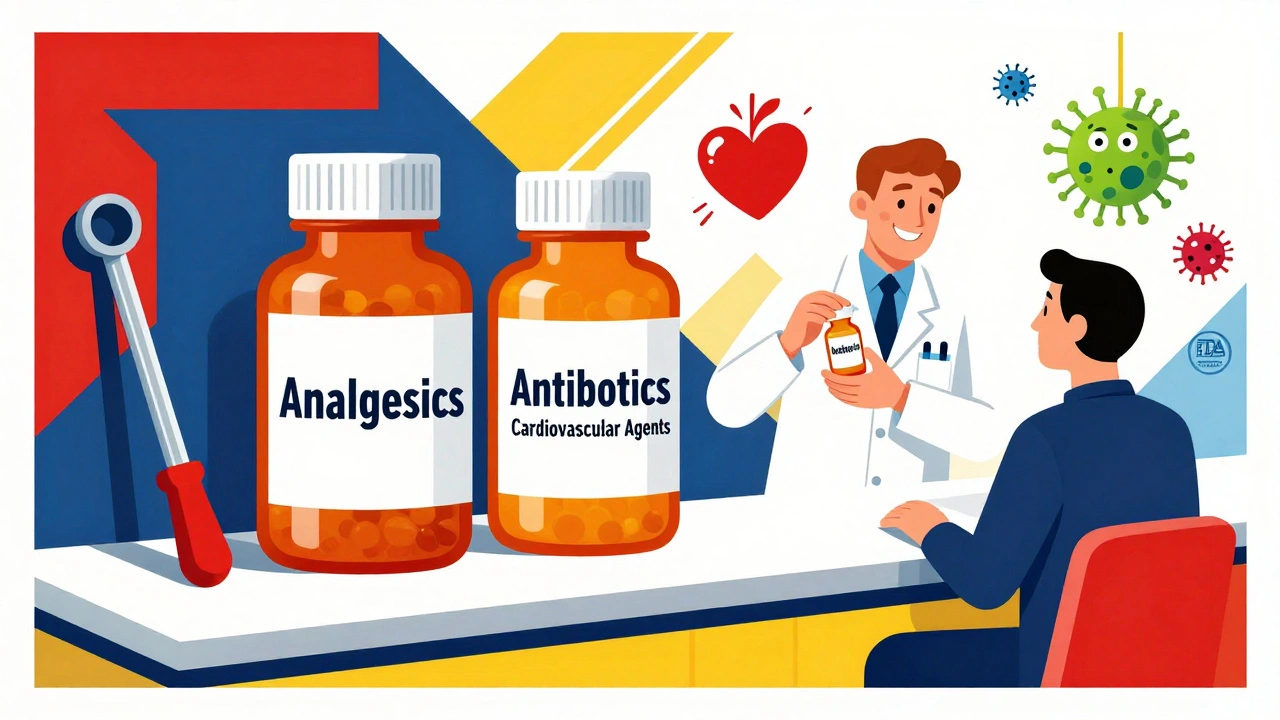
Generic Drug Classifications: Types and Categories Explained
Understand how generic drugs are classified by therapeutic use, mechanism of action, legal schedule, insurance tier, and global ATC codes. Learn why these systems matter for your prescriptions, costs, and safety.
Read more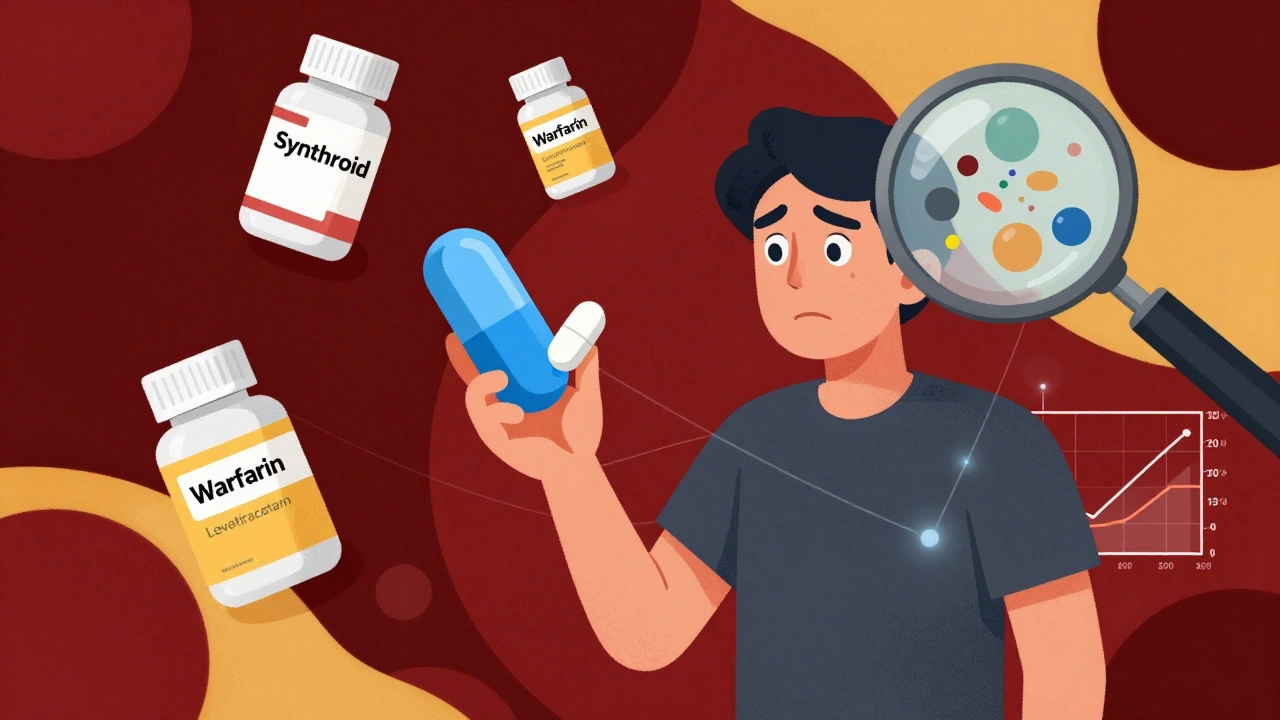
Switching from Brand to Generic Drugs: What to Expect in 2025
Switching from brand to generic drugs can save money, but it’s not always simple. Learn what to expect, when it’s safe, and how to protect yourself from side effects or reduced effectiveness.
Read more