
Archive: 2026/03

Generic Naming Conventions: USAN, INN, and Brand Naming Basics
Understand how USAN and INN systems create safe generic drug names. Learn about stems, brand vs generic naming, and why standardization prevents medical errors.
Read more
Tapering Antidepressants: Evidence-Based Schedules to Minimize Withdrawal Side Effects
Learn evidence-based schedules for tapering antidepressants to avoid withdrawal symptoms. Covers half-life differences, dosage rules, and strategies for safe discontinuation.
Read more
Fixed-dose combination drugs: what they are and why they exist
Explore what fixed-dose combination drugs are, why they simplify treatment, and the benefits and risks involved in taking bundled medications.
Read more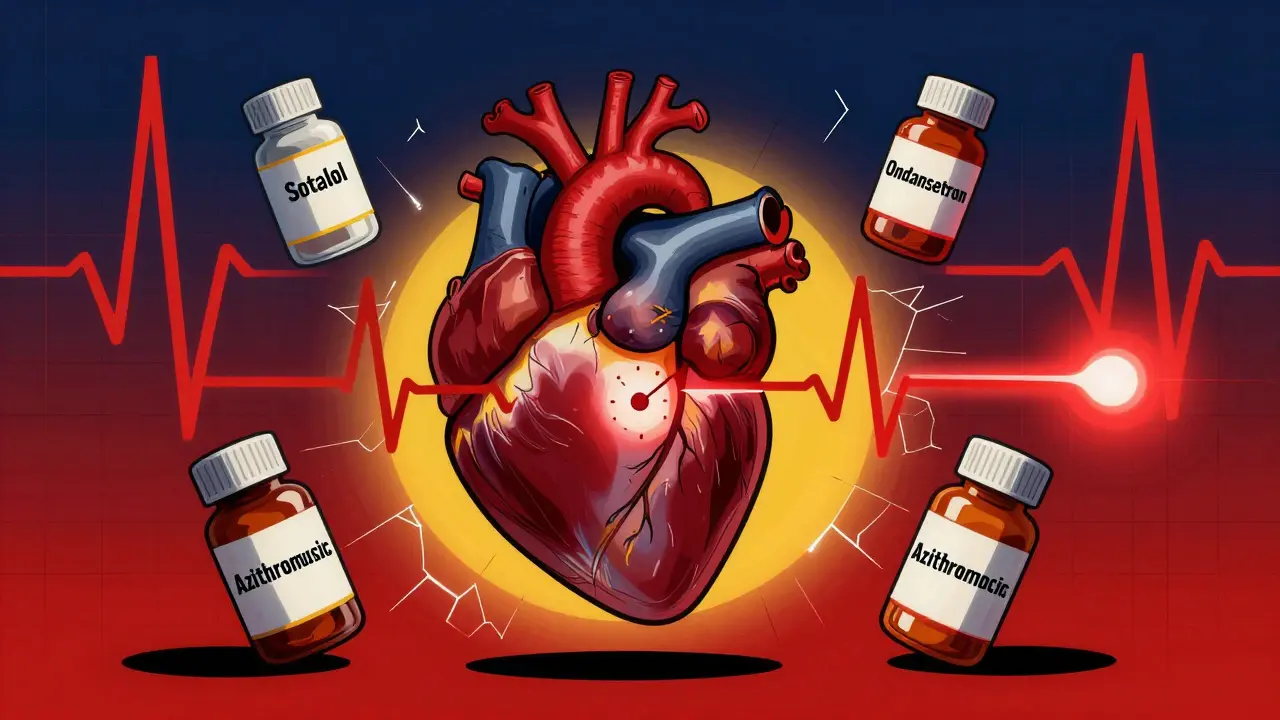
QT Prolongation: Medications That Raise Arrhythmia Risk
QT prolongation can lead to life-threatening arrhythmias. Learn which medications raise this risk, who's most vulnerable, and how to prevent dangerous heart rhythms through simple monitoring and smart prescribing.
Read more
Bioequivalent Medications: What the Term Really Means
Bioequivalent medications are generic drugs proven to work the same way as brand-name versions in your body. Learn how regulators test for equivalence, why it matters, and what the data says about real-world use.
Read more
How to Communicate with Multiple Healthcare Providers About Medications
Managing medications with multiple healthcare providers is critical to avoiding dangerous interactions. Learn how to create a clear medication list, involve your pharmacist, and ensure all providers are on the same page to prevent errors and hospitalizations.
Read more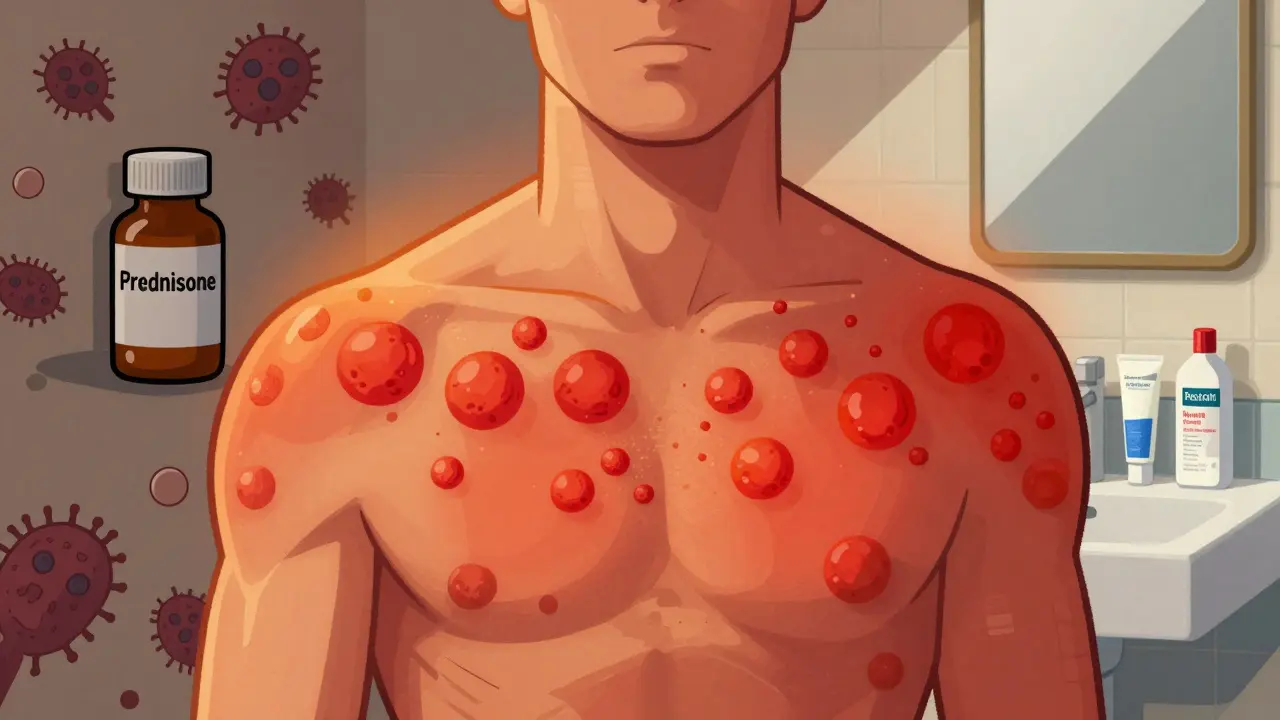
Steroid-Induced Acne and Skin Changes: Topical and Lifestyle Solutions
Steroid-induced acne is a common side effect of corticosteroid or anabolic steroid use, presenting as uniform red bumps on the chest and back. Learn effective topical treatments like tretinoin and ketoconazole, lifestyle changes, and when oral meds are needed.
Read more
Counseling for Sexual Side Effects from Medications: What You Need to Know
Sexual side effects from medications like antidepressants are common, often untreated, and completely fixable. Learn how counseling, medication changes, and proactive care can restore your sex life and keep you on effective treatment.
Read more
How to Ask About Side Effects vs. Allergies with Your Care Team
Learn how to clearly tell your care team whether a reaction to your medication is a side effect or a true allergy - and why mixing them up can lead to worse health outcomes and unnecessary drug risks.
Read more
Opioids and Sleep Apnea: How Opioids Trigger Dangerous Breathing Problems
Opioids can dangerously suppress breathing during sleep, especially in people with sleep apnea. This deadly combination causes central apnea, low oxygen, and overdose risk. Learn how it happens, who's at risk, and what to do.
Read more