
Bioequivalence: What It Means for Generic Drugs and Your Health
When you pick up a generic pill, you expect it to work the same as the brand-name version. That’s where bioequivalence, the scientific proof that two drug formulations deliver the same amount of active ingredient at the same rate in the body. It's not just a buzzword—it’s the legal and medical standard that keeps your treatment safe and effective. Without bioequivalence, switching from brand to generic could mean your blood pressure stays high, your depression doesn’t improve, or your thyroid levels swing unpredictably.
What makes two drugs bioequivalent? It’s not just having the same active ingredient. The body has to absorb it the same way. That means the drug absorption, how quickly and completely the medicine enters your bloodstream must match within strict limits—usually within 80% to 125% of the brand’s performance. The FDA approval, the process that requires clinical studies proving this match before a generic can be sold isn’t just paperwork. It’s based on real data from healthy volunteers who take the drugs and have their blood tested over time. If the curves of drug concentration in the blood don’t overlap closely enough, the generic gets rejected.
But here’s the catch: bioequivalence doesn’t guarantee you won’t notice a difference. That’s because inactive ingredients—fillers, dyes, coatings—can change how the drug behaves in your gut. One person might feel more nausea with a new generic because of a different coating that dissolves slower. Another might get a headache because of a new dye. These aren’t bioequivalence failures—they’re formulation differences. The drug still gets into your blood the same way, but your body reacts to the extras. That’s why therapeutic equivalence, the real-world outcome of whether the drug actually works the same for your condition matters just as much as the lab numbers.
Some drugs are trickier than others. Warfarin, levothyroxine, and certain seizure meds have a narrow therapeutic window—tiny changes in absorption can cause big problems. That’s why switching these generics often needs closer monitoring. The FDA knows this, which is why they’re stricter with approval for these types. But for most common meds—like statins, antibiotics, or blood pressure pills—bioequivalence works. Millions of people switch safely every day.
What you’ll find in this collection isn’t just theory. It’s real stories and practical advice from people who noticed changes after switching, doctors who explain why some generics fail silently, and guides on how to track your own response. You’ll learn how manufacturing tweaks can slip past notice, why your thyroid levels dropped after a generic switch, and what questions to ask your pharmacist when a new pill looks different. This isn’t about fearing generics—it’s about understanding how they truly work, so you can use them confidently and speak up when something feels off.
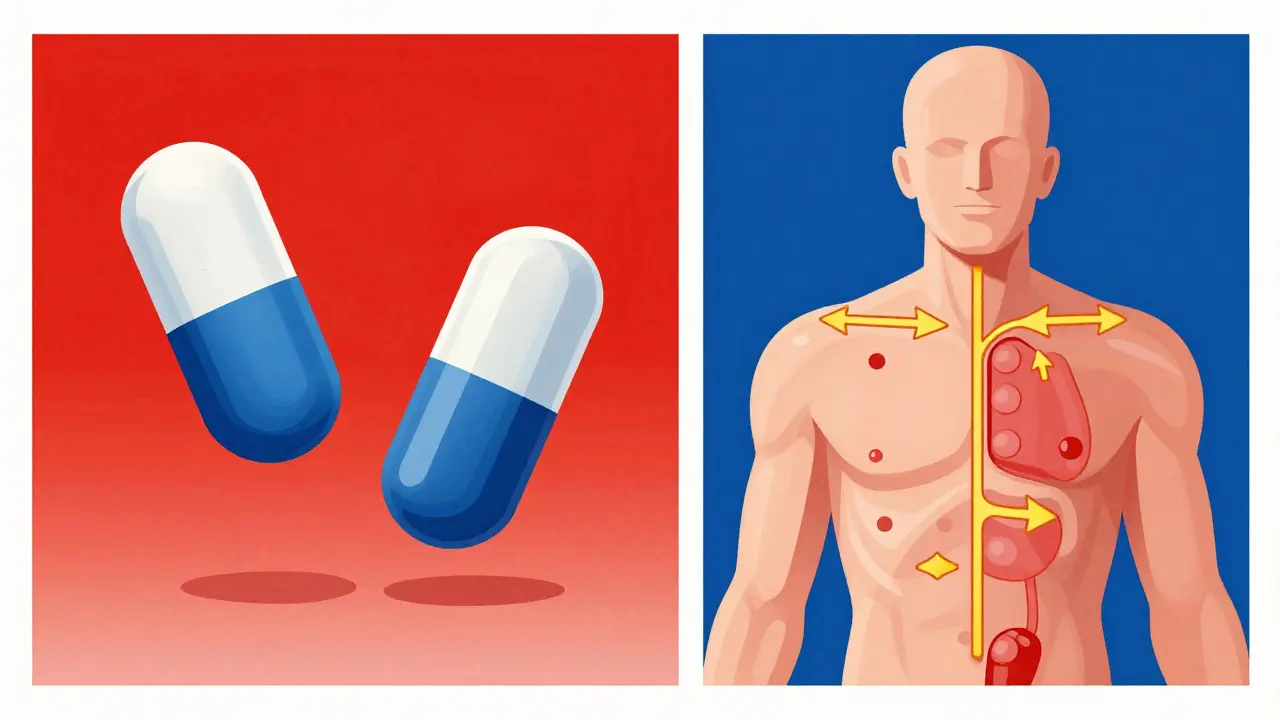
Bioequivalent Medications: What the Term Really Means
Bioequivalent medications are generic drugs proven to work the same way as brand-name versions in your body. Learn how regulators test for equivalence, why it matters, and what the data says about real-world use.
Read more
Therapeutic Failures: When a Generic Drug Doesn't Work as Expected
Generic drugs are supposed to be safe, affordable alternatives - but when they fail to deliver the right dose, the results can be deadly. Learn why some generics don't work and what you can do to protect yourself.
Read more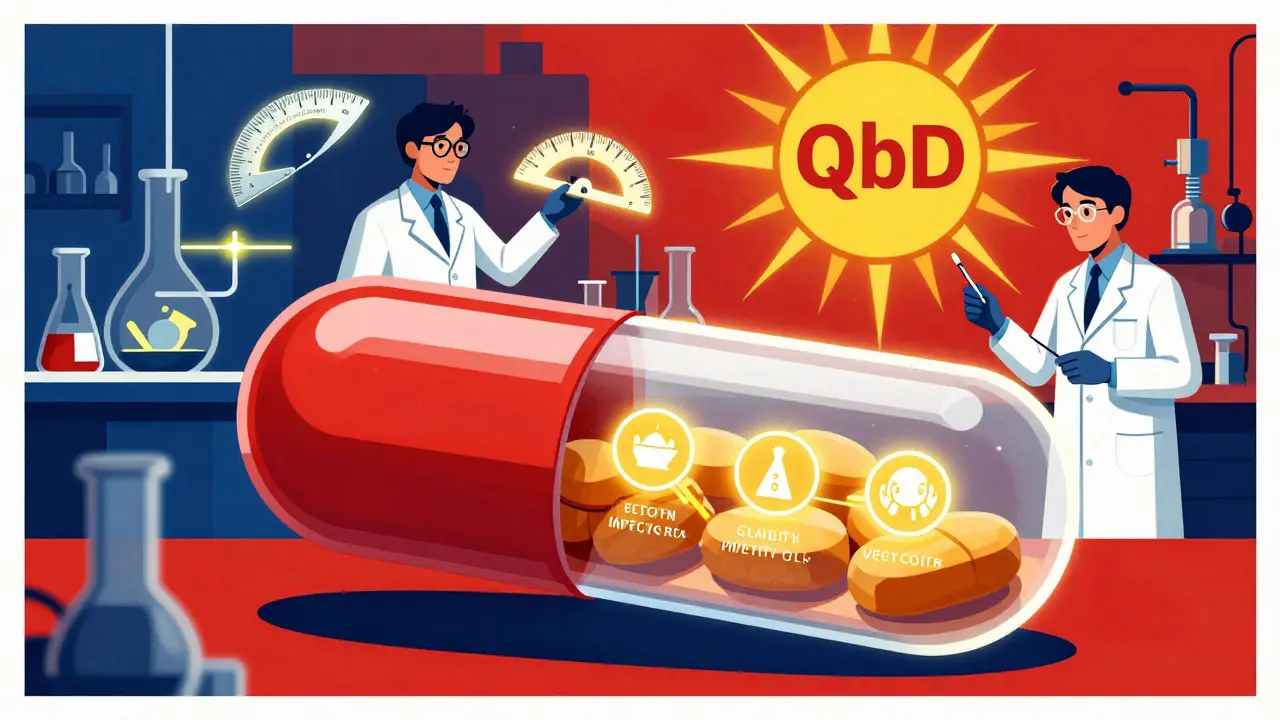
Quality by Design in Generic Drug Development: Modern Science-Based Approaches
Quality by Design (QbD) is now the standard for generic drug development, replacing outdated testing methods with science-based process control. Learn how QbD improves bioequivalence, cuts approval times, and saves millions-while ensuring every generic pill works as intended.
Read more
Patient Counseling on Generics: What Pharmacists Must Discuss to Ensure Adherence and Trust
Pharmacists must clearly explain generic substitutions to patients to prevent misunderstandings, improve adherence, and ensure safety. Learn the key counseling points, legal requirements, and practical strategies to build trust and reduce non-adherence.
Read more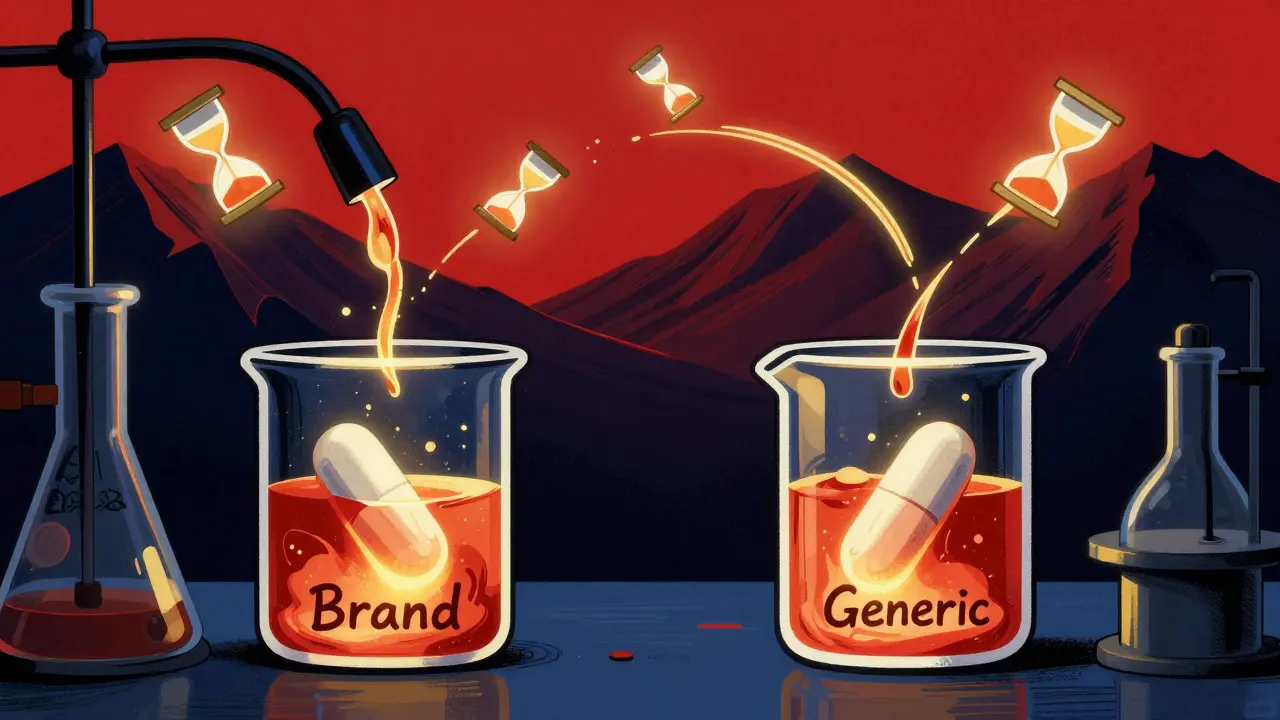
How to Compare Dissolution Profiles and What They Mean for Generic and Brand Drugs
Learn how dissolution profile comparison ensures generic drugs work like brand-name versions. Understand f2 scores, regulatory standards, and why this science keeps patients safe.
Read more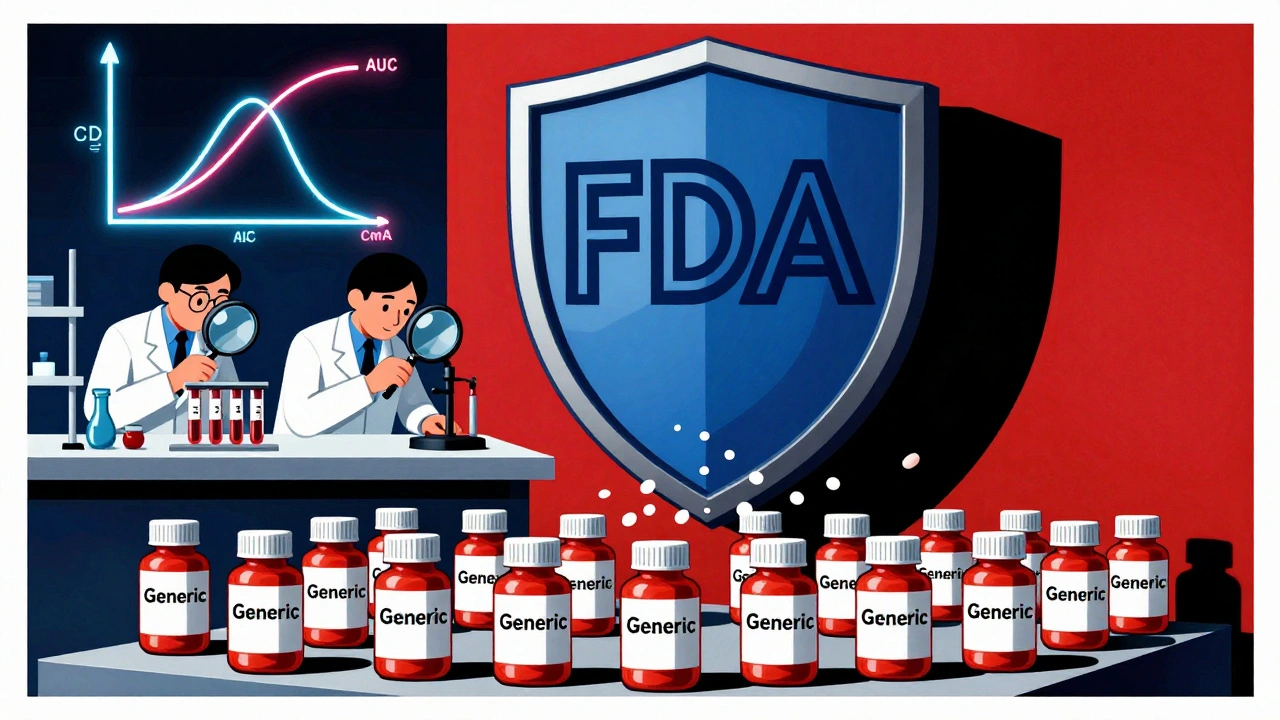
FDA Regulatory Authority: How the Agency Approves Generic Drugs
The FDA ensures generic drugs are safe and effective through the ANDA process, requiring bioequivalence to brand-name drugs. This system saves billions annually while maintaining strict quality standards.
Read more