
Category: Pharmacy - Page 2
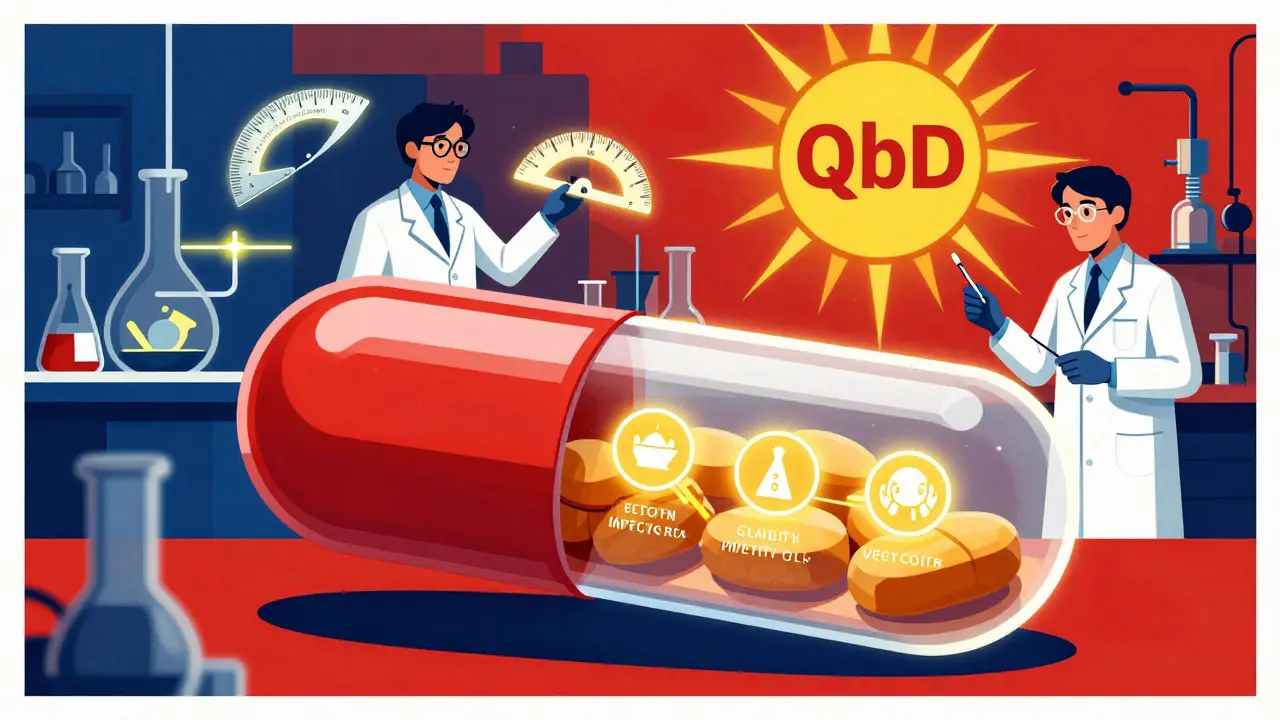
Quality by Design in Generic Drug Development: Modern Science-Based Approaches
Quality by Design (QbD) is now the standard for generic drug development, replacing outdated testing methods with science-based process control. Learn how QbD improves bioequivalence, cuts approval times, and saves millions-while ensuring every generic pill works as intended.
Read more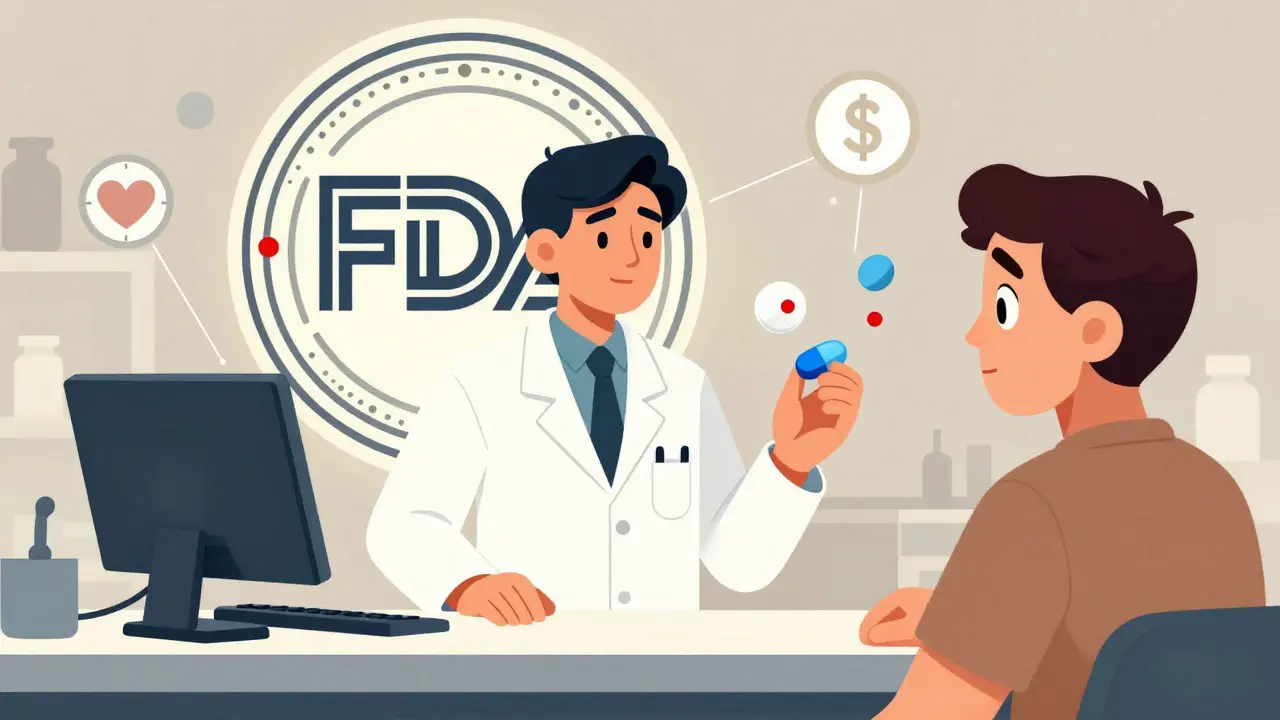
Patient Counseling on Generics: What Pharmacists Must Discuss to Ensure Adherence and Trust
Pharmacists must clearly explain generic substitutions to patients to prevent misunderstandings, improve adherence, and ensure safety. Learn the key counseling points, legal requirements, and practical strategies to build trust and reduce non-adherence.
Read more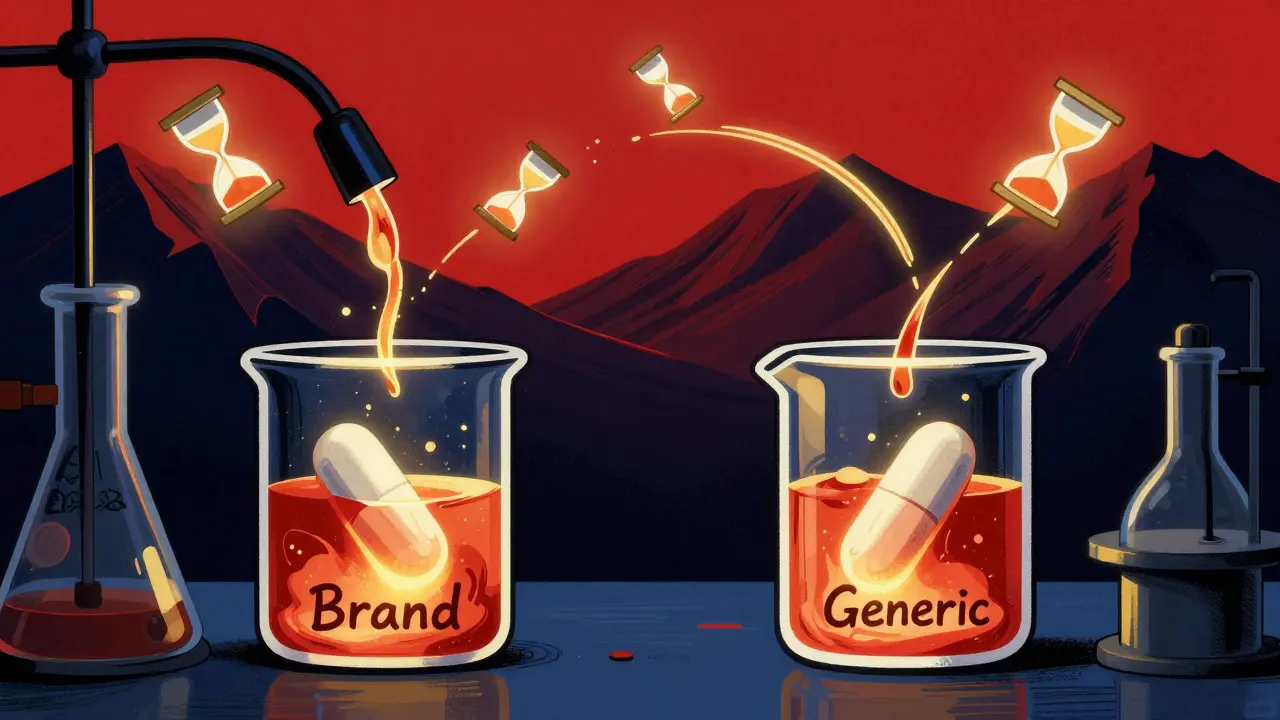
How to Compare Dissolution Profiles and What They Mean for Generic and Brand Drugs
Learn how dissolution profile comparison ensures generic drugs work like brand-name versions. Understand f2 scores, regulatory standards, and why this science keeps patients safe.
Read more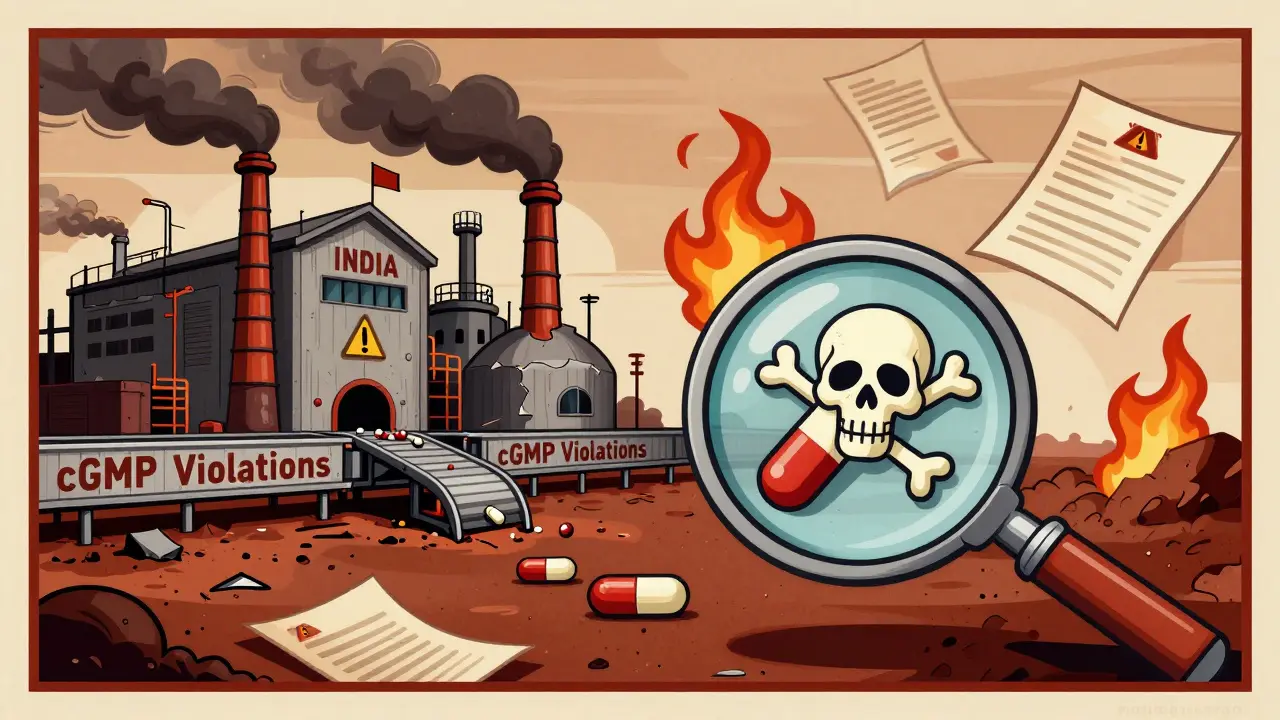
Generic Drug Quality Issues: Manufacturing Plant Problems Explained
Generic drug quality issues stem from manufacturing defects in overseas plants, leading to unsafe, ineffective, or inconsistent medications. Learn how cGMP violations, poor oversight, and profit pressure put patients at risk.
Read more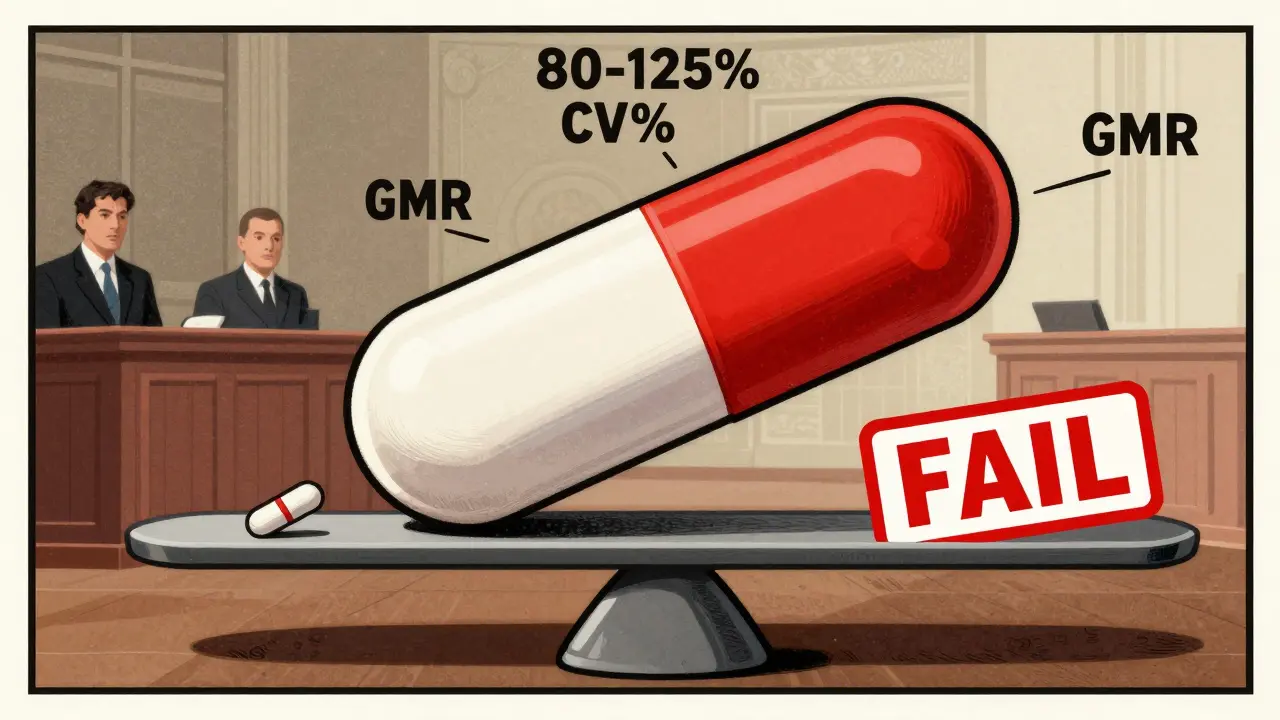
Statistical Analysis in BE Studies: How to Calculate Power and Sample Size Correctly
Learn how to correctly calculate power and sample size for bioequivalence studies to avoid costly failures. Understand CV%, GMR, RSABE, and regulatory expectations from FDA and EMA.
Read more
In Vivo vs In Vitro Bioequivalence Testing: When Each Is Used
In vivo and in vitro bioequivalence testing are key to approving generic drugs. In vivo uses human trials; in vitro uses lab tests. Learn when each is required and why regulators choose one over the other.
Read more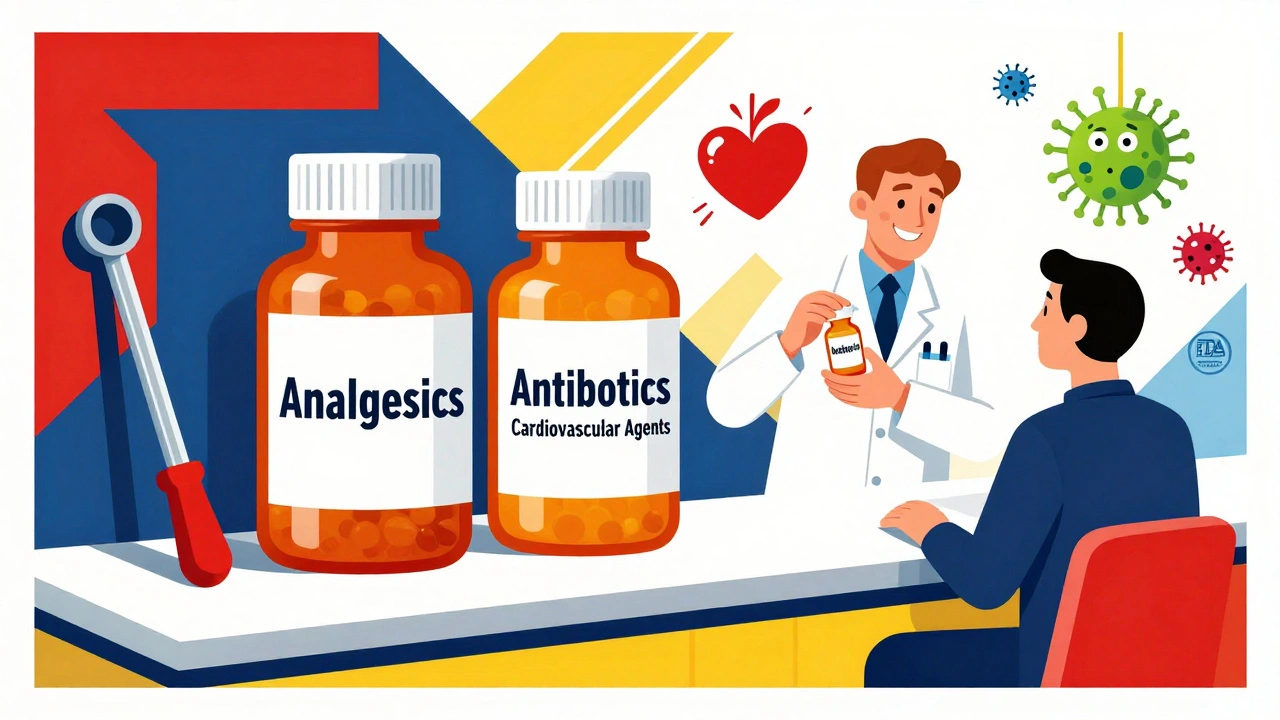
Generic Drug Classifications: Types and Categories Explained
Understand how generic drugs are classified by therapeutic use, mechanism of action, legal schedule, insurance tier, and global ATC codes. Learn why these systems matter for your prescriptions, costs, and safety.
Read more
Manufacturing Changes and Generic Approval: What Triggers FDA Re-Evaluation
Learn what manufacturing changes trigger FDA re-evaluation for generic drugs, how the approval process works, and why delays happen - plus what’s changing in 2025 to speed things up.
Read more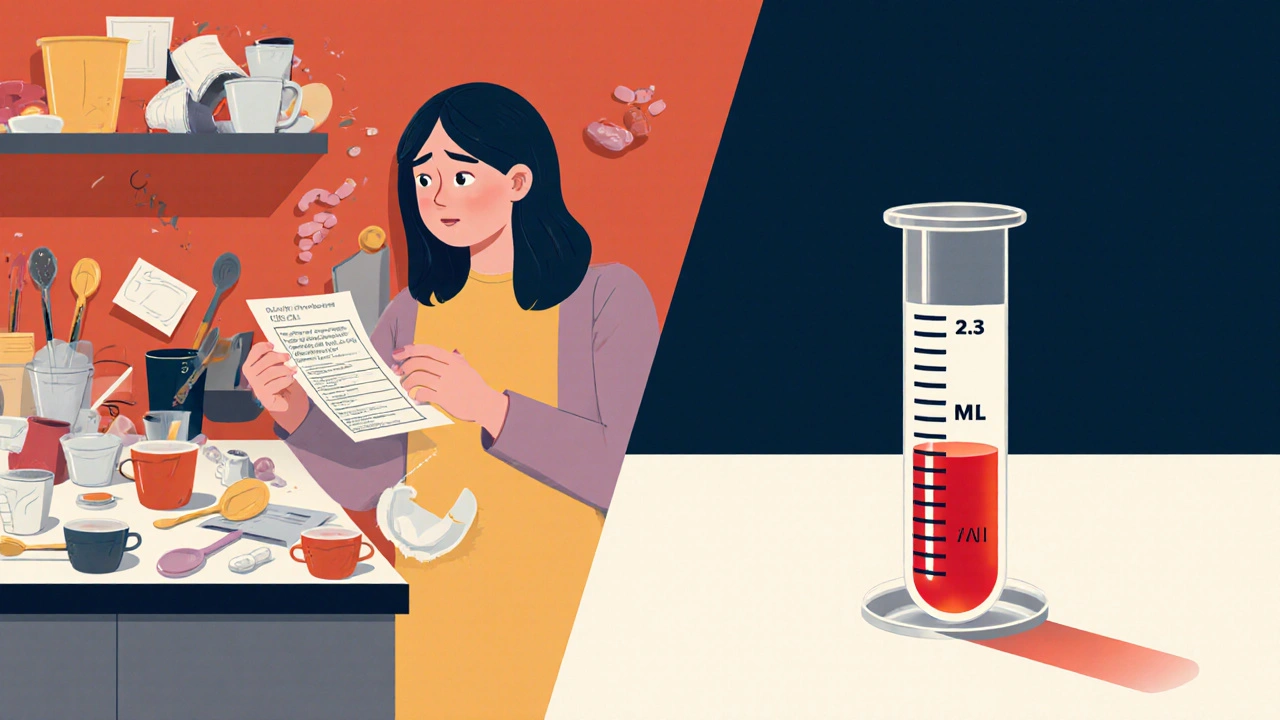
How to Ensure Accurate Dosing Devices with Liquid Prescriptions
Accurate liquid medication dosing prevents dangerous errors. Learn why oral syringes beat cups and spoons, how to use them correctly, and what labels to trust for safe dosing every time.
Read more
Generic Drug Availability: How Patents Delay Access After Expiration
Generic drugs don't become available right after patents expire. Legal delays, regulatory hurdles, and strategic patenting push back access by years - costing patients billions. Here's how the system really works.
Read more