
Category: Medications - Page 2

Fluoroquinolones and Tendon Rupture: What You Need to Know About the Risk
Fluoroquinolone antibiotics like ciprofloxacin and levofloxacin can cause tendon rupture, especially in older adults and those on steroids. Know the signs, risks, and what to do if you feel pain.
Read more
Metformin for PCOS: How It Boosts Ovulation and Insulin Sensitivity
Metformin helps women with PCOS ovulate by improving insulin sensitivity. Learn how it works, who benefits most, and why it's changing PCOS treatment guidelines.
Read more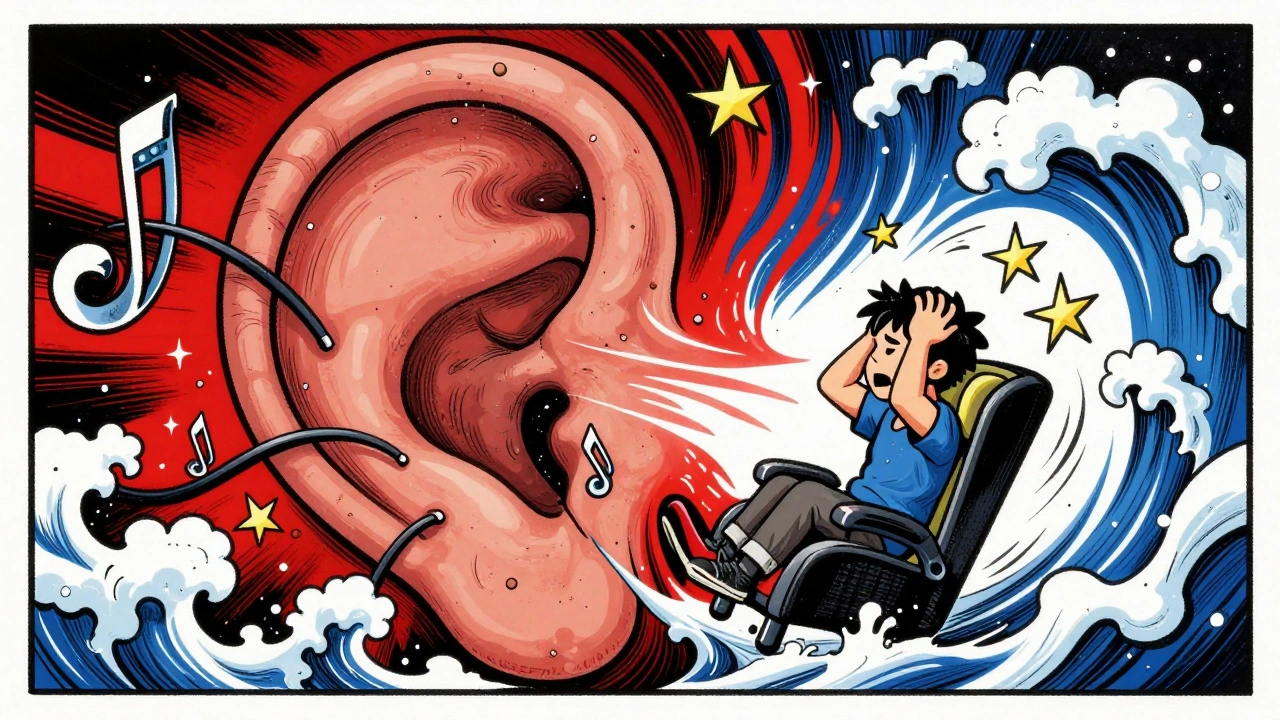
Meclizine: What It Is, How It Works, and When to Use It
Meclizine is a widely used over-the-counter medication for motion sickness and vertigo. It works by calming the inner ear and brain signals that cause dizziness and nausea. Learn how it works, who should use it, and when to seek other options.
Read more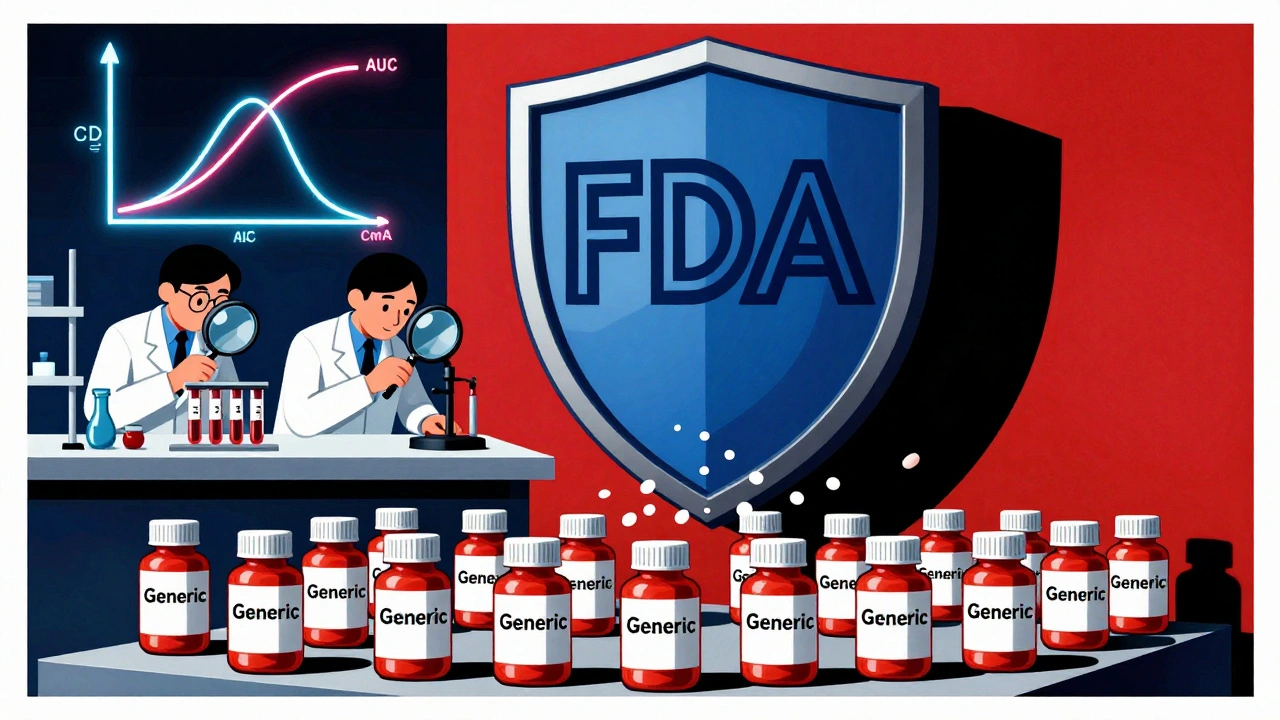
FDA Regulatory Authority: How the Agency Approves Generic Drugs
The FDA ensures generic drugs are safe and effective through the ANDA process, requiring bioequivalence to brand-name drugs. This system saves billions annually while maintaining strict quality standards.
Read more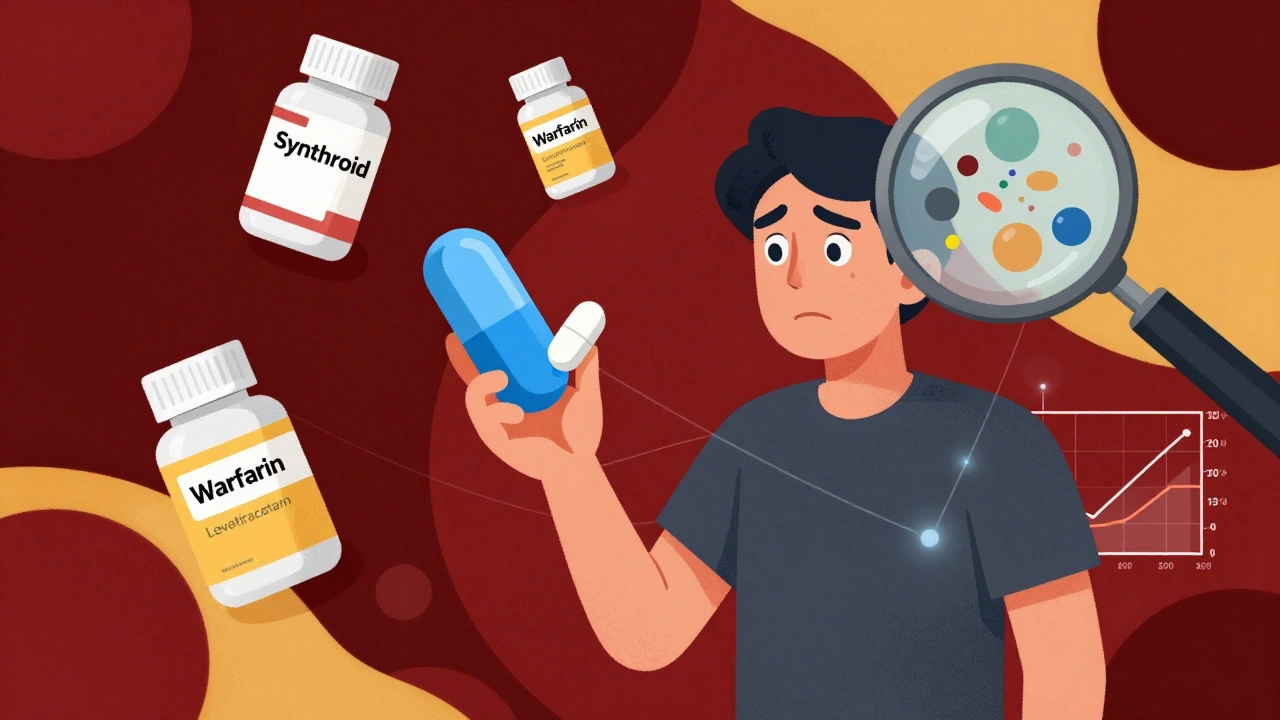
Switching from Brand to Generic Drugs: What to Expect in 2025
Switching from brand to generic drugs can save money, but it’s not always simple. Learn what to expect, when it’s safe, and how to protect yourself from side effects or reduced effectiveness.
Read more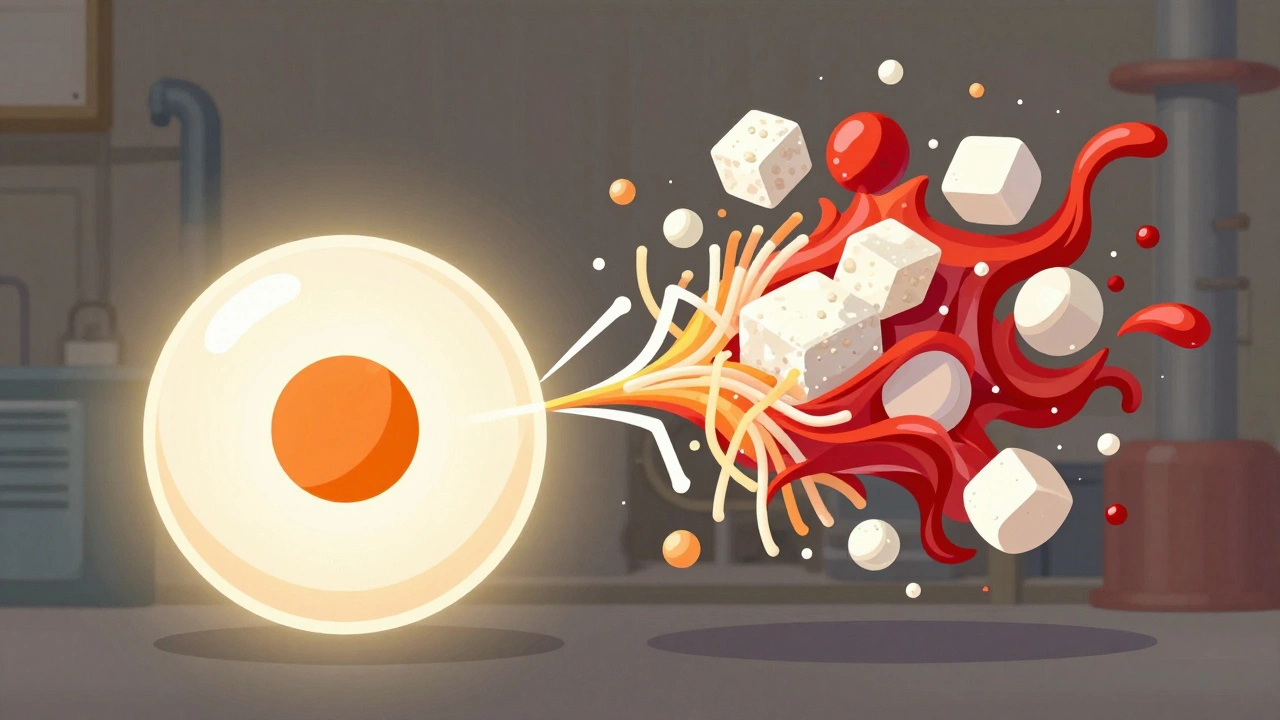
Inactive Ingredient Differences: Why Your Generic Medication May Feel Different
Generic medications save money but sometimes cause unexpected side effects due to different inactive ingredients. Learn why your body might react differently - and what to do about it.
Read more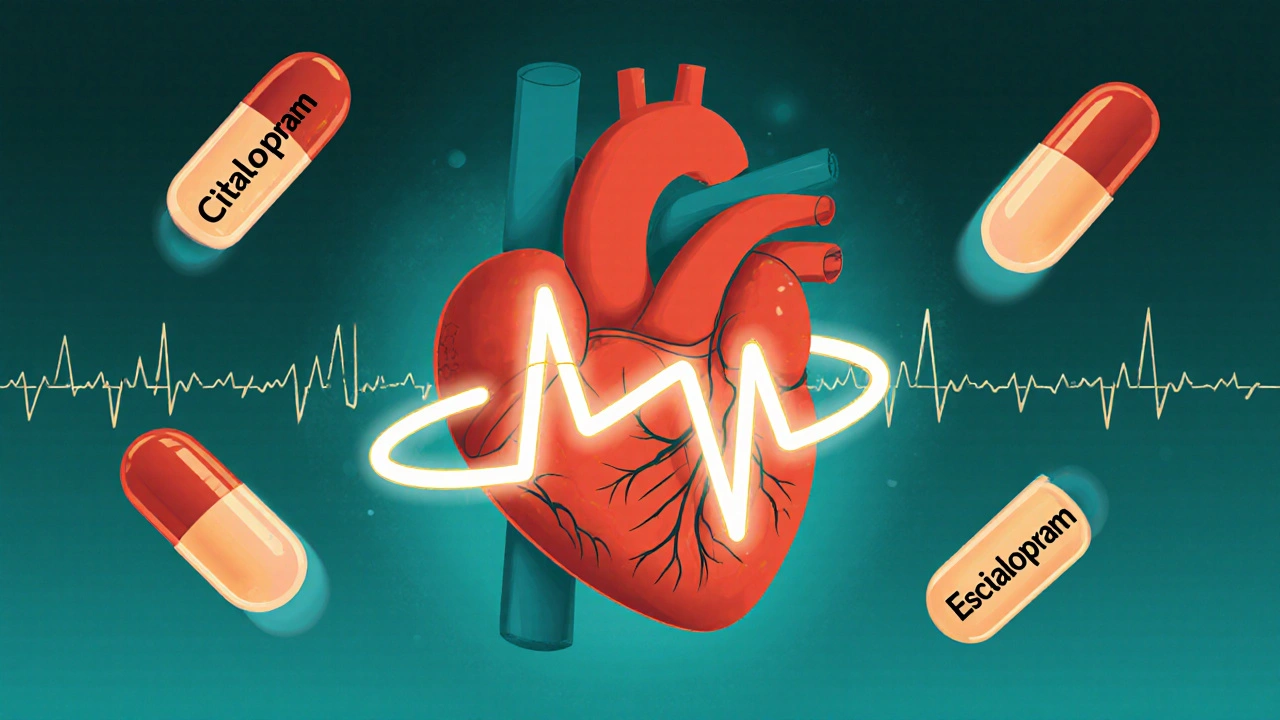
Citalopram and Escitalopram: QT Prolongation Risks and Safe Dose Limits
Citalopram and escitalopram are effective antidepressants but carry QT prolongation risks, especially at high doses. Learn the safe dose limits, who’s at risk, and how to choose the safest option for your heart.
Read more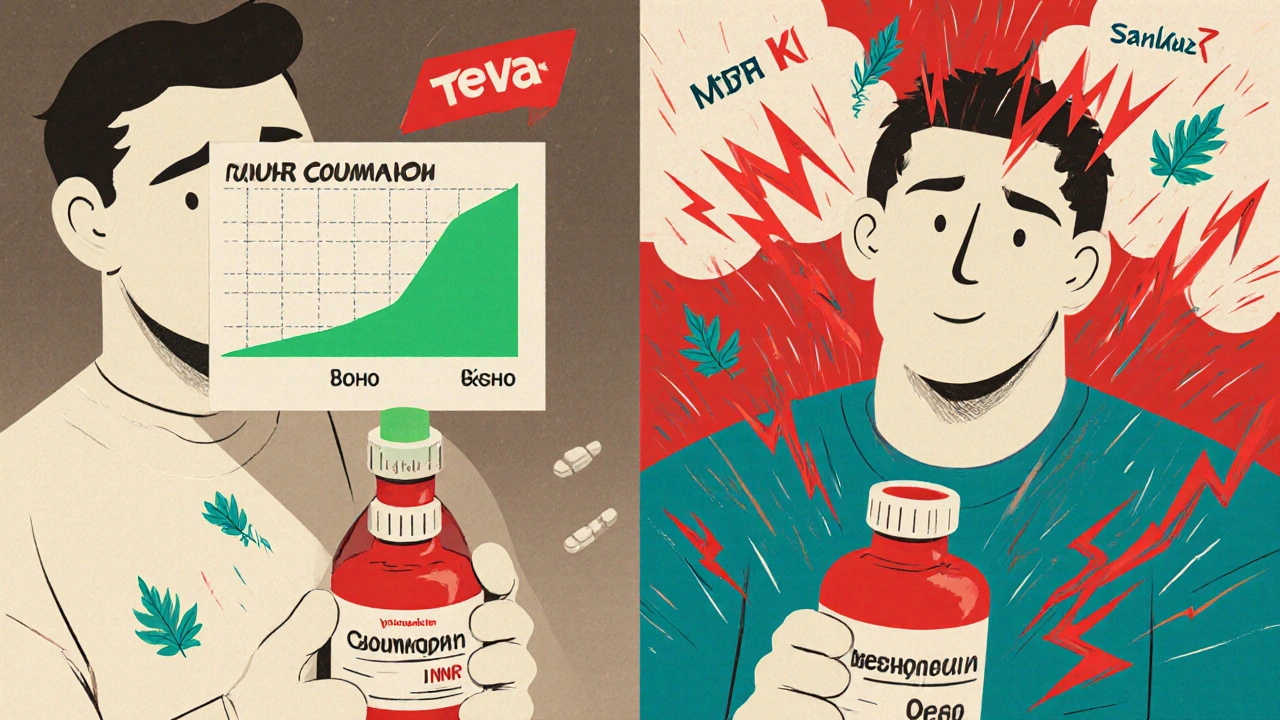
Warfarin and Generic Switching: What You Need to Know About INR Monitoring and Safety
Switching warfarin brands can affect your INR levels and safety. Learn why generic switching needs careful monitoring, how to stay stable, and when to consider newer alternatives.
Read more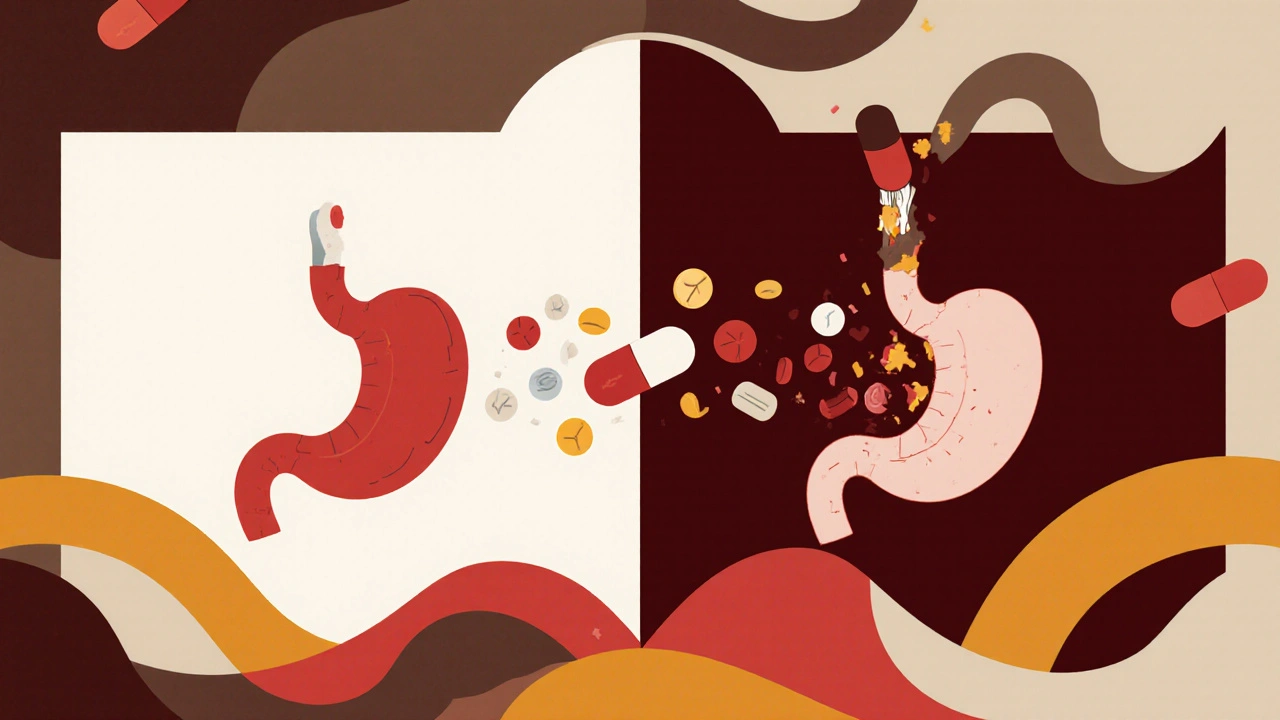
Formulation Differences and Side Effects: Tablets, Capsules, and Extended-Release Medications
Learn how tablet, capsule, and extended-release formulations affect drug absorption and side effects. Discover why ER pills reduce nausea and dizziness - and when they might do more harm than good.
Read more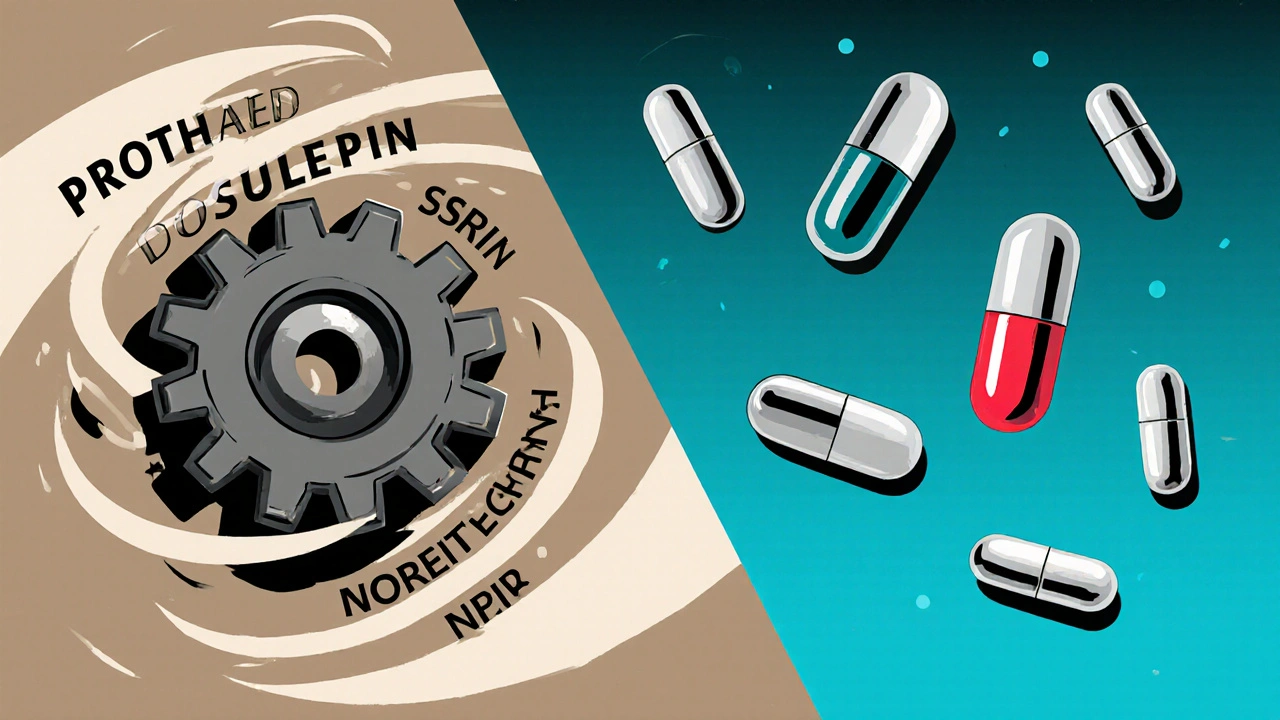
Compare Prothiaden (Dosulepin) with Alternatives: What Works Best for Depression and Anxiety
Compare Prothiaden (Dosulepin) with modern antidepressants like SSRIs, SNRIs, and mirtazapine to find the best fit for depression and anxiety treatment. Learn about effectiveness, side effects, and when to switch.
Read more