
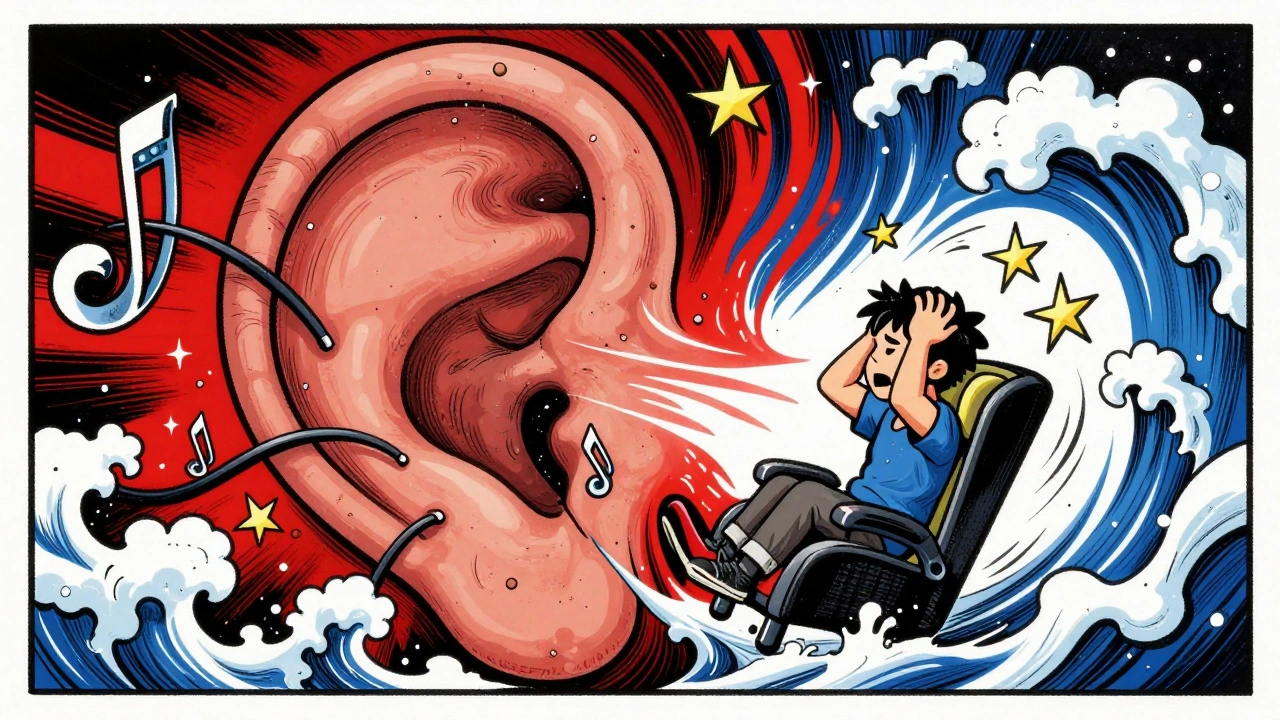
Have you ever felt like the room is spinning, even when you’re lying still? Or gotten sick to your stomach during a car ride, boat trip, or plane flight? If so, you’ve probably heard of meclizine-a common medication used to treat dizziness, vertigo, and motion sickness. But what exactly is it? How does it work? And is it right for you?
What Is Meclizine?
Meclizine is an antihistamine, but not the kind you take for sneezing or itchy eyes. It’s a specific type designed to target the inner ear and brain areas that control balance and nausea. First approved by the FDA in the 1950s, meclizine has been used for over 70 years to help people who struggle with motion sickness or inner ear disorders.
It’s sold under brand names like Bonine and Antivert, but most people get it as a generic pill. You can buy it over the counter in many countries, including the U.S. and Australia, without a prescription. The typical dose is 25 mg, taken once a day, though doctors may adjust it based on your symptoms.
Unlike some other motion sickness drugs, meclizine doesn’t make most people extremely drowsy-but it can still cause sleepiness, especially when you first start taking it. That’s why it’s often recommended to take it at least an hour before traveling, or as directed by your doctor.
How Meclizine Works
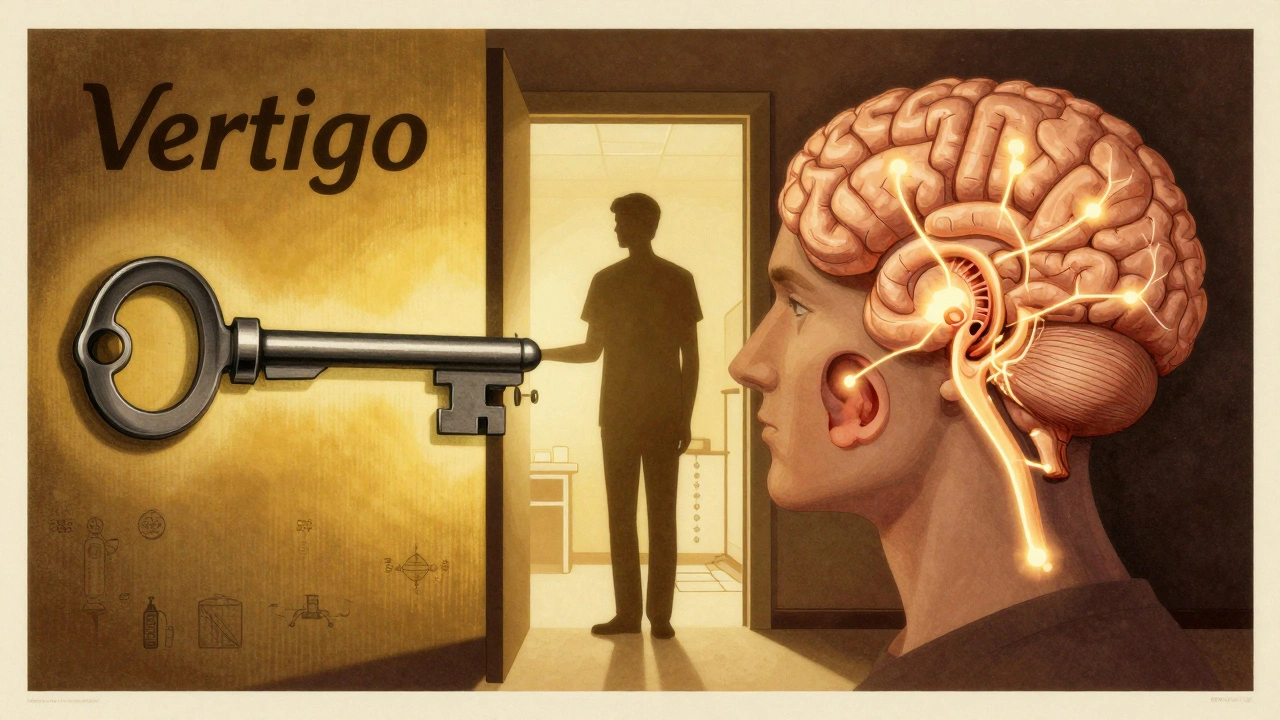
Your sense of balance comes from three systems working together: your eyes, your muscles and joints, and your inner ear. The inner ear has fluid-filled canals and tiny hair cells that detect movement and head position. When these signals conflict-like when you’re on a rocking boat but your eyes see a still cabin-your brain gets confused. That’s when nausea, dizziness, and vomiting kick in.
Meclizine works by blocking histamine receptors in the brain’s vomiting center and the vestibular system (the part of the inner ear that controls balance). It doesn’t fix the root cause of the problem, but it dampens the signals that make you feel sick. Think of it like turning down the volume on a noisy alarm-your body still senses motion, but the panic response is reduced.
It’s also used off-label for vertigo caused by conditions like benign paroxysmal positional vertigo (BPPV) or Ménière’s disease. In these cases, meclizine doesn’t cure the condition, but it helps manage the spinning sensation and nausea that come with flare-ups.
When to Take Meclizine
For motion sickness, take meclizine about 1 hour before you start traveling. If you’re on a long trip-say, a road trip across the country-you can take another dose after 24 hours, but don’t exceed the daily limit (usually 100 mg in 24 hours).
For vertigo or dizziness due to inner ear problems, your doctor might tell you to take it once daily, even if you’re not traveling. Some people take it every day for weeks during a flare-up, then taper off. Others only take it when symptoms hit.
It’s not meant for long-term daily use unless your doctor says so. If you’re taking it for more than a few weeks without improvement, it’s time to see a specialist. Chronic dizziness could be a sign of something else-like low blood pressure, neurological issues, or even heart problems.
Who Should Avoid Meclizine
Meclizine is generally safe for adults and kids over 12, but it’s not for everyone.
- If you’re allergic to meclizine or other antihistamines like dimenhydrinate (Dramamine), don’t take it.
- People with glaucoma, especially angle-closure glaucoma, should avoid it-it can increase eye pressure.
- If you have trouble urinating due to an enlarged prostate, meclizine might make it worse.
- Those with severe liver disease should use it cautiously, since the body breaks it down in the liver.
- Pregnant women should talk to their doctor before using it. While studies haven’t shown major risks, it’s always better to be careful.
Also, avoid alcohol while taking meclizine. Mixing them can make you dangerously drowsy or dizzy. The same goes for other sedatives, anxiety meds, or sleep aids.

Side Effects and What to Watch For
Most people tolerate meclizine well. The most common side effects are mild:
- Drowsiness (most common)
- Dry mouth
- Blurred vision
- Headache
- Constipation
These usually fade after a few days as your body adjusts. If they stick around or get worse, talk to your pharmacist or doctor.
Rare but serious side effects include:
- Difficulty urinating
- Rapid heartbeat
- Severe dizziness or fainting
- Allergic reactions (rash, swelling, trouble breathing)
If you experience any of these, stop taking it and get medical help right away. An allergic reaction, while rare, can be life-threatening.
Meclizine vs. Other Motion Sickness Drugs
There are several options for motion sickness. Here’s how meclizine stacks up:
| Medication | Onset | Duration | Drowsiness | Prescription Needed? |
|---|---|---|---|---|
| Meclizine | 1 hour | 24 hours | Mild to moderate | No |
| Dimenhydrinate (Dramamine) | 30 minutes | 4-8 hours | High | No |
| Scopolamine Patch | 4 hours | 72 hours | Moderate | Yes |
| Cinnarizine | 1-2 hours | 8-12 hours | Moderate | Yes (in Australia) |
Meclizine’s big advantage is its long-lasting effect-you only need to take it once a day. That makes it great for long trips or daily vertigo. But if you need fast relief, Dramamine kicks in quicker. The scopolamine patch is ideal for multi-day trips, like cruises, but requires a prescription and can cause dry mouth or blurred vision.
In Australia, cinnarizine is more commonly prescribed for vertigo than meclizine, but it’s not available over the counter. If you’re traveling abroad and can’t find meclizine, ask your pharmacist for alternatives.
Real-Life Use Cases
Take Sarah, a 42-year-old teacher from Melbourne. She gets motion sickness every time she rides in a car with her kids. She used to rely on Dramamine, but it knocked her out. After switching to meclizine, she could drive without feeling groggy. She takes one pill 45 minutes before leaving the house and has been symptom-free for two years.
Then there’s James, 68, who started getting sudden spells of vertigo after a viral infection. His doctor diagnosed him with vestibular neuritis. He was prescribed meclizine for a week to manage the spinning and nausea. Once his body healed, he stopped taking it. He didn’t need it long-term.
These stories aren’t unusual. Meclizine works best when used for short-term relief, not as a permanent fix. It’s a tool-not a cure.
What to Do If Meclizine Doesn’t Work
If you’ve taken meclizine as directed and still feel dizzy or nauseous, it’s not working for you. That’s not uncommon. About 20-30% of people don’t respond well to antihistamines for vertigo.
Here’s what to try next:
- See a vestibular specialist. They can test your inner ear function and recommend physical therapy (vestibular rehab) that’s often more effective than pills.
- Try non-drug options: ginger supplements, acupressure wristbands, or controlled breathing techniques.
- Rule out other causes: low iron, thyroid issues, or even anxiety can mimic vertigo.
- Ask about alternative meds: betahistine (used in Europe for Ménière’s) or diazepam (for acute vertigo attacks).
Don’t keep increasing the dose on your own. More isn’t better-and it can increase side effects.
Final Thoughts
Meclizine is one of the most reliable, accessible, and well-studied options for motion sickness and vertigo. It’s not perfect, but for most people, it’s the best balance of effectiveness and tolerability. It won’t stop you from getting dizzy, but it’ll keep you from throwing up or feeling like you’re on a spinning ride.
If you’re using it occasionally for travel or short-term vertigo, it’s likely safe and helpful. But if dizziness is a regular part of your life, it’s time to look deeper. Medication can manage symptoms-but finding the root cause is what really changes things.
Can I take meclizine every day?
You can take meclizine daily for a short period under a doctor’s supervision, especially for chronic vertigo. But long-term daily use isn’t recommended unless no other treatments work. Prolonged use can lead to tolerance, and it doesn’t address the underlying cause of dizziness. Always talk to your doctor before using it for more than a few weeks.
Does meclizine help with anxiety-related dizziness?
Meclizine may reduce the physical sensation of dizziness that comes with anxiety, but it doesn’t treat anxiety itself. If your dizziness is tied to panic attacks or stress, therapy, breathing exercises, or anti-anxiety medications will be more effective. Meclizine might offer temporary relief, but it’s not a solution for mental health-related vertigo.
Is meclizine safe for older adults?
Older adults can take meclizine, but they’re more sensitive to its sedative effects. Drowsiness increases fall risk, which is dangerous for seniors. Doctors often start with a lower dose (12.5 mg) and monitor closely. If an older person is already on other meds that cause drowsiness, meclizine may not be the best choice.
Can I drink alcohol while taking meclizine?
No. Alcohol increases the drowsiness and dizziness caused by meclizine. This combination can impair your coordination and reaction time, making it unsafe to drive or operate machinery. Even one drink can double the side effects. It’s best to avoid alcohol completely while taking this medication.
How long does it take for meclizine to wear off?
Meclizine has a long half-life-around 5 to 6 hours, but its effects can last up to 24 hours. Most people feel the drowsiness fade after 8 to 12 hours, but some may feel slightly off for a full day. Don’t take another dose until at least 24 hours have passed since your last one.
Can meclizine cause weight gain?
Weight gain isn’t a listed side effect, but some people report increased appetite while taking it. This may be due to reduced nausea allowing them to eat more, or a mild metabolic effect. If you notice unexplained weight gain, talk to your doctor. It’s more likely related to lifestyle changes than the drug itself.
Next Steps
If you’re considering meclizine for motion sickness or vertigo, start with the lowest dose. Take it before you need it, not after you’re already sick. Keep a symptom journal-note when you took it, what you did, and how you felt. That helps you and your doctor see if it’s working.
If your dizziness persists, worsens, or comes with hearing loss, headaches, or numbness, see a doctor immediately. These aren’t normal side effects-they’re warning signs.
Meclizine is a helpful tool, but it’s not the whole story. Sometimes, the best treatment isn’t a pill-it’s a specialist, a physical therapy session, or a change in how you move your head. Don’t settle for just masking symptoms. Find out why they’re happening in the first place.
michael booth
December 6, 2025 AT 00:03Meclizine has been a game changer for my long road trips. Used to rely on Dramamine but would crash for hours. Now I take 25mg an hour before hitting the highway and I’m alert, focused, and zero nausea. It’s not magic, but it’s the most reliable OTC option I’ve found.
Carolyn Ford
December 7, 2025 AT 00:03Let’s be real-this article is way too soft on meclizine. It’s a sedative with a fancy name. People take it because they don’t want to deal with the real issue: their inner ear isn’t working right. And no, taking it daily for ‘vertigo’ isn’t treatment-it’s avoidance. I’ve seen patients on it for years while ignoring BPPV therapy. Don’t mask symptoms-fix the system.
Heidi Thomas
December 7, 2025 AT 09:11Wrong. Cinnarizine is superior. It blocks calcium channels and histamine. Meclizine is just a weak antihistamine with a longer half-life. The article pretends it’s the gold standard but in Europe and Asia, cinnarizine is first-line for vertigo. Meclizine is the American lazy option. Also, dry mouth isn’t a side effect-it’s a warning sign your parasympathetic system is shutting down.
Alex Piddington
December 8, 2025 AT 16:36Thanks for the clear breakdown. I’ve recommended this to several older patients and always stress the fall risk. One woman, 78, was taking it daily for dizziness-turned out she had low B12. Once she started supplements, she stopped the pill. Meclizine isn’t the villain, but it shouldn’t be the first or last resort. Always rule out metabolic or neurological causes first.
Libby Rees
December 9, 2025 AT 12:46I’ve used this for cruise trips. Took one pill before boarding. Felt a little sleepy but nothing extreme. Kept it with my seasickness band. Worked better than the band alone. I appreciate that the article mentions alternatives like ginger and vestibular rehab. Too many people just reach for a pill without exploring other options.
Dematteo Lasonya
December 11, 2025 AT 09:48My mom had vertigo after a virus and the doctor gave her meclizine. She took it for three days and it helped a lot. But she also started doing the Epley maneuver every morning. That’s what really fixed it. I’m glad the article says it’s a tool, not a cure. Sometimes we forget that the body can heal itself if we give it the right support.
Rudy Van den Boogaert
December 12, 2025 AT 13:34I used to think meclizine was just for motion sickness until I got hit with sudden vertigo last winter. Took it once and the spinning stopped within an hour. But I didn’t keep taking it. Went to a vestibular therapist and did balance exercises for six weeks. Now I only use it if I’m on a boat or in a spinning carnival ride. It’s great for emergencies, not daily life.
Gillian Watson
December 14, 2025 AT 09:39Just wanted to add-when I was in the UK, my GP prescribed betahistine for Ménière’s. It’s not available here in the US without a special import. If you’re in the US and meclizine isn’t working, ask your doctor about it. It’s not a miracle drug, but it targets the inner ear differently. Also, avoid caffeine if you have vertigo. It makes the dizziness worse.