
Quadruple Therapy: What It Is, When It’s Used, and What You Need to Know
When your doctor talks about quadruple therapy, a four-drug regimen used primarily to treat Helicobacter pylori infections. Also known as concomitant therapy, it’s one of the most effective ways to clear a stubborn stomach bacteria that causes ulcers, chronic gastritis, and even raises cancer risk. This isn’t just another pill combo—it’s a carefully timed attack on a microbe that’s learned to resist single antibiotics.
Quadruple therapy typically includes a proton pump inhibitor (like omeprazole), bismuth subsalicylate, and two antibiotics—often metronidazole and tetracycline, or amoxicillin and clarithromycin. It’s usually prescribed when first-line treatments fail, or in regions where antibiotic resistance is high. The treatment lasts 10 to 14 days, and success rates can hit 90% if taken exactly as directed. Missing even one dose can let the bacteria bounce back stronger.
This approach doesn’t just kill bacteria—it also protects your stomach lining. The proton pump inhibitor lowers acid so the antibiotics work better, while bismuth coats the ulcer and blocks the bacteria from sticking to your stomach wall. It’s a team effort: one drug weakens the bug, another prevents it from hiding, and two others finish the job. You won’t find this combo in OTC meds—it’s strictly prescription, and it’s not for everyone. People with penicillin allergies, kidney issues, or who are pregnant need careful adjustments.
What you’ll find in the posts below isn’t just about quadruple therapy itself. It’s about the bigger picture: how drug interactions can make or break treatment, why generic switching matters when you’re on multiple antibiotics, how timing affects absorption, and what to do if side effects like nausea or metallic taste throw you off track. You’ll also see how this therapy connects to other critical topics—like drug-induced liver injury from long-term antibiotic use, medication adherence challenges with complex regimens, and how generic drug classifications impact cost and effectiveness. These aren’t random posts—they’re all pieces of the same puzzle: staying safe while fighting a hidden infection that many don’t even know they have.
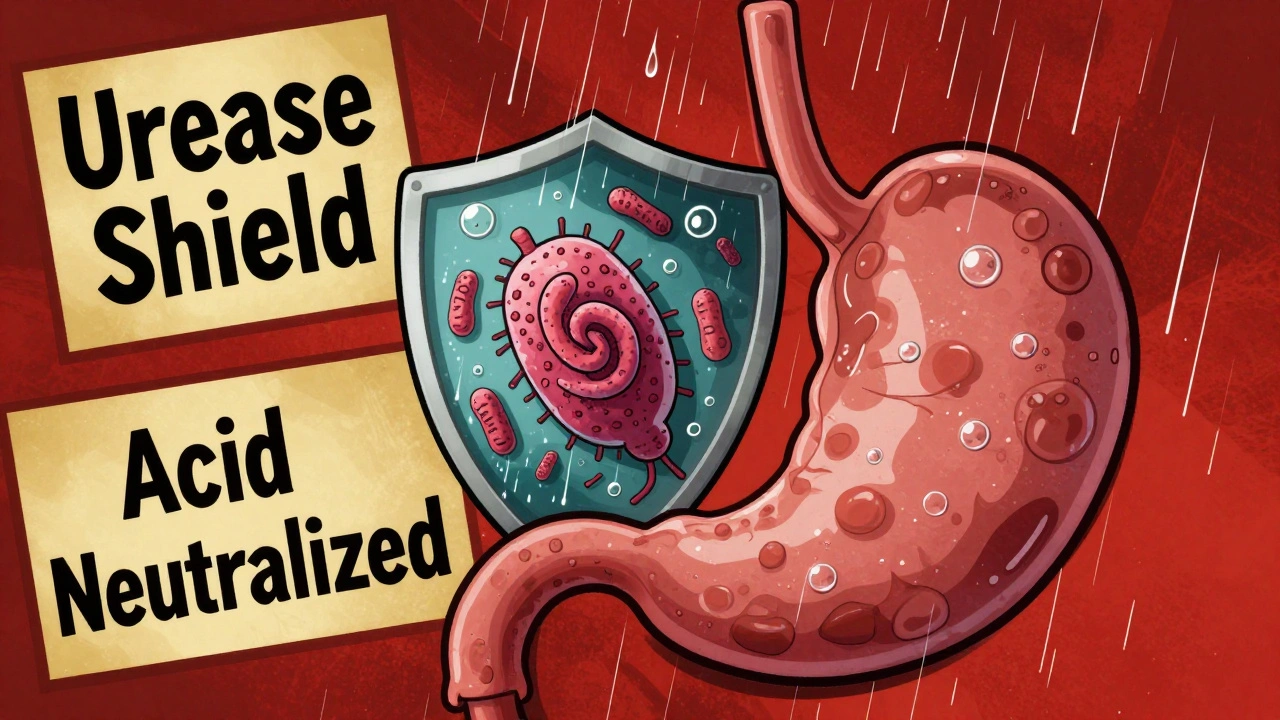
H. pylori Infection: How Testing and Quadruple Therapy Combat Rising Antibiotic Resistance
H. pylori infection is common and can cause ulcers and stomach cancer. Modern testing and quadruple therapy are now first-line due to rising antibiotic resistance. Learn which tests work best and how to ensure successful treatment.
Read more