
Medication Adherence: Why Sticking to Your Prescription Saves Lives
When you take a medication exactly as your doctor ordered, you’re practicing medication adherence, the consistent and correct use of prescribed drugs according to dosage, timing, and duration. Also known as drug compliance, it’s not just a checklist—it’s the difference between feeling better and ending up in the hospital. Many people think if they take their pill most days, it’s enough. But missing even one dose a week can make your treatment fail—especially for blood thinners, thyroid meds, or antidepressants.
Medication side effects, unwanted reactions caused by drugs often make people stop taking their pills. Maybe your stomach hurts, you feel dizzy, or you’re tired all the time. Instead of quitting, you should talk to your doctor. Many side effects fade after a few weeks, or your dose can be adjusted. But if you stop without telling anyone, you risk worse problems—like a stroke from skipping warfarin, or a thyroid crash from missing levothyroxine. And then there’s drug interactions, when two or more medications clash and create dangerous effects. Mixing alcohol with sleep meds, NSAIDs with blood thinners, or protein shakes with thyroid pills can turn a safe treatment into a life-threatening situation. These aren’t rare cases—they’re the reason half of all hospitalizations in older adults happen.
What makes medication adherence so hard isn’t laziness—it’s complexity. Multiple pills, confusing schedules, cost issues, fear of side effects, and lack of clear instructions all add up. The good news? Small changes make big differences. Using a pill organizer, setting phone alarms, asking your pharmacist to simplify your regimen, or switching to a once-daily version can fix most problems. And if you’re unsure whether your generic pill is working the same as the brand, you’re not alone. Inactive ingredients, formulation changes, and manufacturing shifts can affect how your body responds—so track how you feel and speak up.
Below, you’ll find real stories and hard facts about what happens when people don’t stick to their meds—and how others fixed it. From how to time your levothyroxine with protein shakes, to why switching warfarin brands needs INR checks, to what to do when your generic makes you sick—these posts give you the tools to take control. No fluff. No jargon. Just what works.

Fixed-dose combination drugs: what they are and why they exist
Explore what fixed-dose combination drugs are, why they simplify treatment, and the benefits and risks involved in taking bundled medications.
Read more
Patient Counseling on Generics: What Pharmacists Must Discuss to Ensure Adherence and Trust
Pharmacists must clearly explain generic substitutions to patients to prevent misunderstandings, improve adherence, and ensure safety. Learn the key counseling points, legal requirements, and practical strategies to build trust and reduce non-adherence.
Read more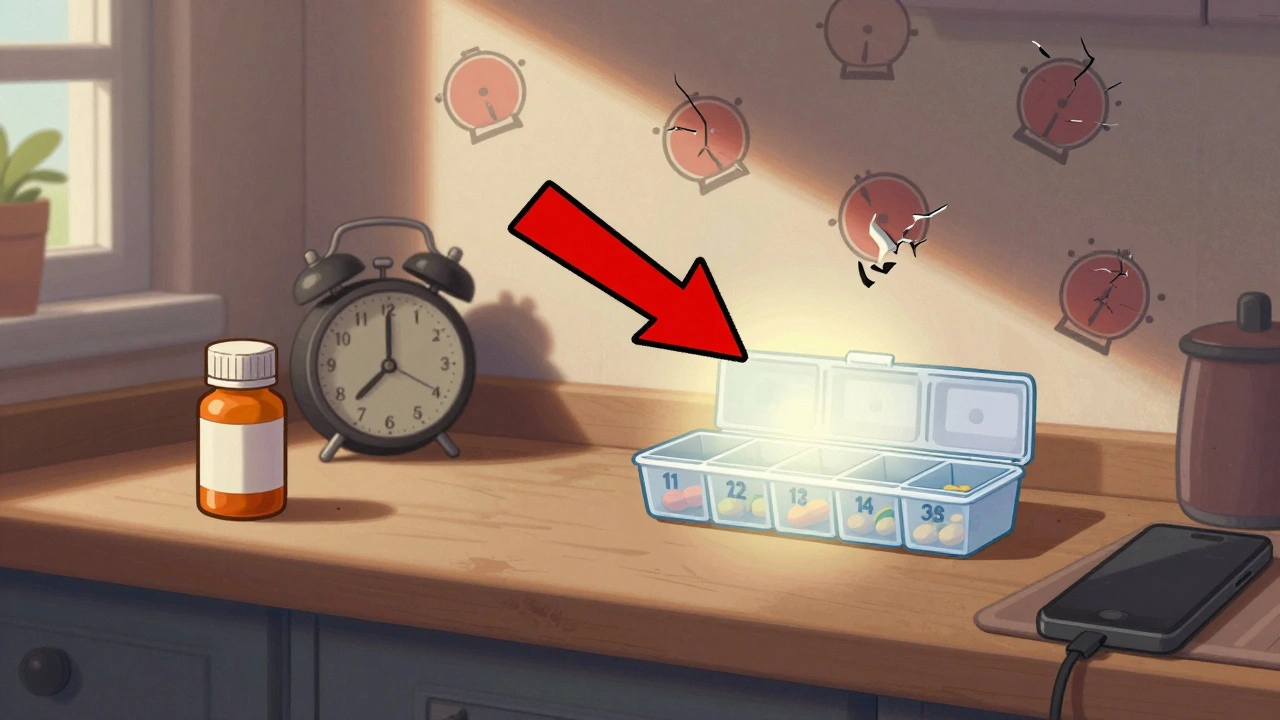
Setting Up Medication Reminders and Alarms That Work: A Practical Guide for Better Adherence
Learn how to set up medication reminders and alarms that actually work - with step-by-step tips, app recommendations, and real-world fixes for missed doses. Stop guessing. Start remembering.
Read more