
Hormonal Contraception: How It Works, Risks, and Alternatives
When you use hormonal contraception, a method of birth control that uses synthetic hormones to prevent pregnancy. Also known as the pill, it’s one of the most common ways women control fertility — but it’s not just about stopping ovulation. It changes how your body responds to natural hormones, and that ripple effect touches everything from your mood to your skin to your long-term health.
Most hormonal contraceptives rely on two key players: estrogen, a female sex hormone that helps regulate the menstrual cycle and progestin, a synthetic version of progesterone that thickens cervical mucus and thins the uterine lining. Together, they stop an egg from being released, block sperm from reaching it, and make it harder for a fertilized egg to stick. But not all formulas are the same. Some have higher estrogen levels and can cause nausea or headaches. Others are progestin-only — better for people who can’t take estrogen, like those with a history of blood clots or migraines with aura. And while many use it for birth control, doctors also prescribe it for conditions like PCOS, heavy periods, or endometriosis — which is why you’ll see related posts about letrozole and menopause hormone therapy in this collection. They’re all part of the same hormonal conversation.
It’s not all straightforward. Some people feel great on it. Others get depressed, gain weight, or have breakthrough bleeding. And if you’ve ever wondered why your doctor asked about your family history of blood clots before writing the prescription, it’s because hormonal contraception can raise the risk of stroke or deep vein thrombosis — especially if you smoke or are over 35. That’s why alternatives like copper IUDs or barrier methods matter. The posts here don’t just list options — they show you how side effects shift based on formulation, how drug interactions can make things worse (like with certain antibiotics or seizure meds), and how your body might react differently over time. You’ll find real comparisons between pills, patches, and implants, plus insights into why some people stop using it and what they switch to instead. This isn’t theory. It’s what people actually experience — and what you need to know before you start, switch, or stop.
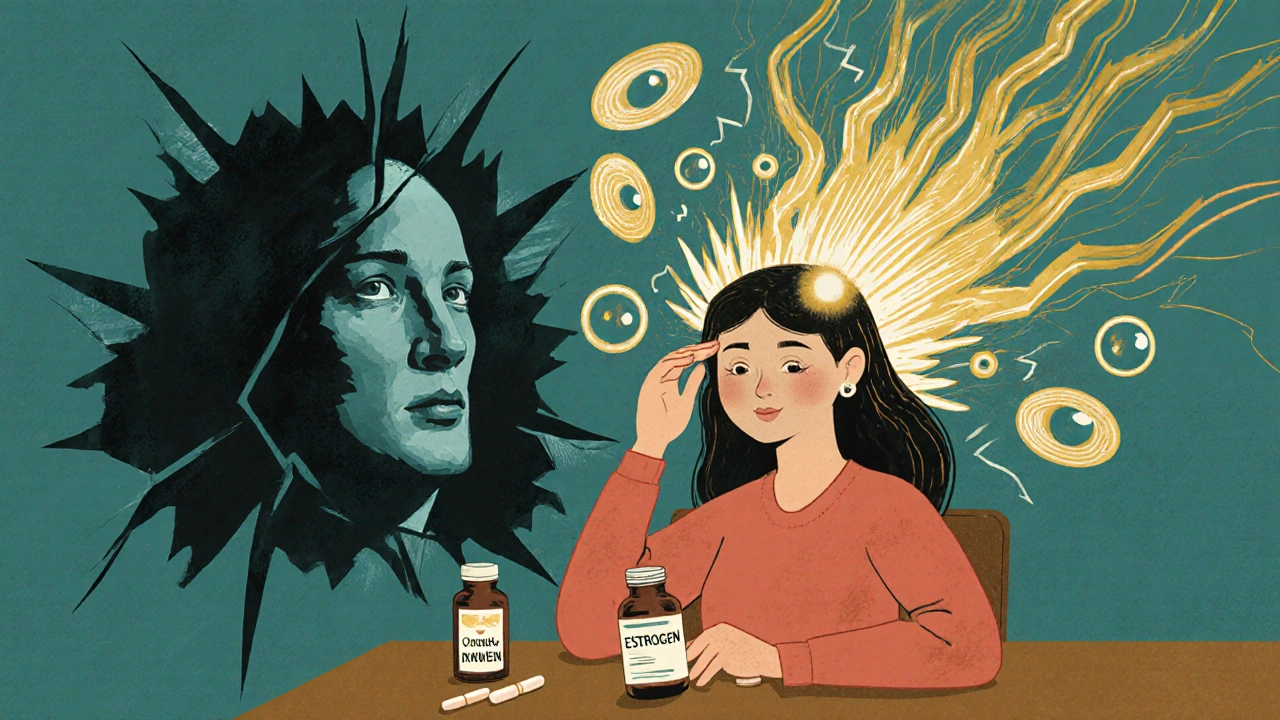
Migraine with Aura and Estrogen Birth Control: What You Need to Know About Stroke Risk
Migraine with aura increases stroke risk when combined with estrogen birth control. Learn the real numbers, why guidelines are changing, and what safer contraceptive options actually work.
Read more