
H. pylori treatment: What works, what to avoid, and how to stay on track
When H. pylori, a spiral-shaped bacteria that infects the stomach lining and is linked to ulcers and stomach cancer. Also known as Helicobacter pylori, it’s one of the most common chronic infections worldwide—yet most people don’t know they have it until they start having pain, bloating, or nausea. Left untreated, it can silently damage your stomach lining, leading to ulcers or even increase your risk of stomach cancer. The good news? It’s treatable. But only if you get the right combo of drugs and stick with it.
H. pylori treatment isn’t just one pill. It’s usually a triple therapy, a standard 10-14 day course combining two antibiotics with a proton pump inhibitor to kill the bacteria and calm stomach acid. The antibiotics—commonly amoxicillin and clarithromycin—are the heavy lifters. The proton pump inhibitor, like omeprazole or esomeprazole, reduces acid so the antibiotics can work better and the stomach can heal. Some doctors now use quadruple therapy, adding bismuth subsalicylate, especially if resistance is suspected. The catch? You have to take every single dose on time. Missing even a few pills gives the bacteria a chance to survive and come back stronger.
Why do so many treatments fail? People stop when they feel better—usually after a few days. But the bacteria don’t care how you feel. They’re still there, hiding. And if they survive, they become resistant. That means next time, standard drugs won’t work. You’ll need stronger, more expensive options with worse side effects. That’s why adherence isn’t just advice—it’s the difference between a quick fix and a long-term battle. Also, avoid NSAIDs like ibuprofen during treatment. They irritate the stomach and can undo the healing. Alcohol? Skip it. It slows recovery and messes with antibiotic absorption.
Side effects are common—nausea, diarrhea, metallic taste—but they’re usually mild and temporary. If they’re unbearable, talk to your doctor. Don’t quit. There are alternative regimens. And if your first round fails, don’t assume it’s hopeless. Testing for eradication after treatment (usually with a breath or stool test) is critical. Many people assume they’re cured because symptoms disappeared. They’re not. And they keep spreading the infection.
What you’ll find below are real, practical guides on how to manage this treatment without falling off track. From setting up medication alarms that actually work, to understanding how food and other drugs interfere, to knowing when to push back on your doctor if something doesn’t feel right. These aren’t theoretical tips—they’re from people who’ve been through it. You’ll learn how to spot early signs of failure, how to protect your gut while on antibiotics, and why timing your pills matters more than you think. This isn’t just about killing bacteria. It’s about taking back control of your health before it takes over.
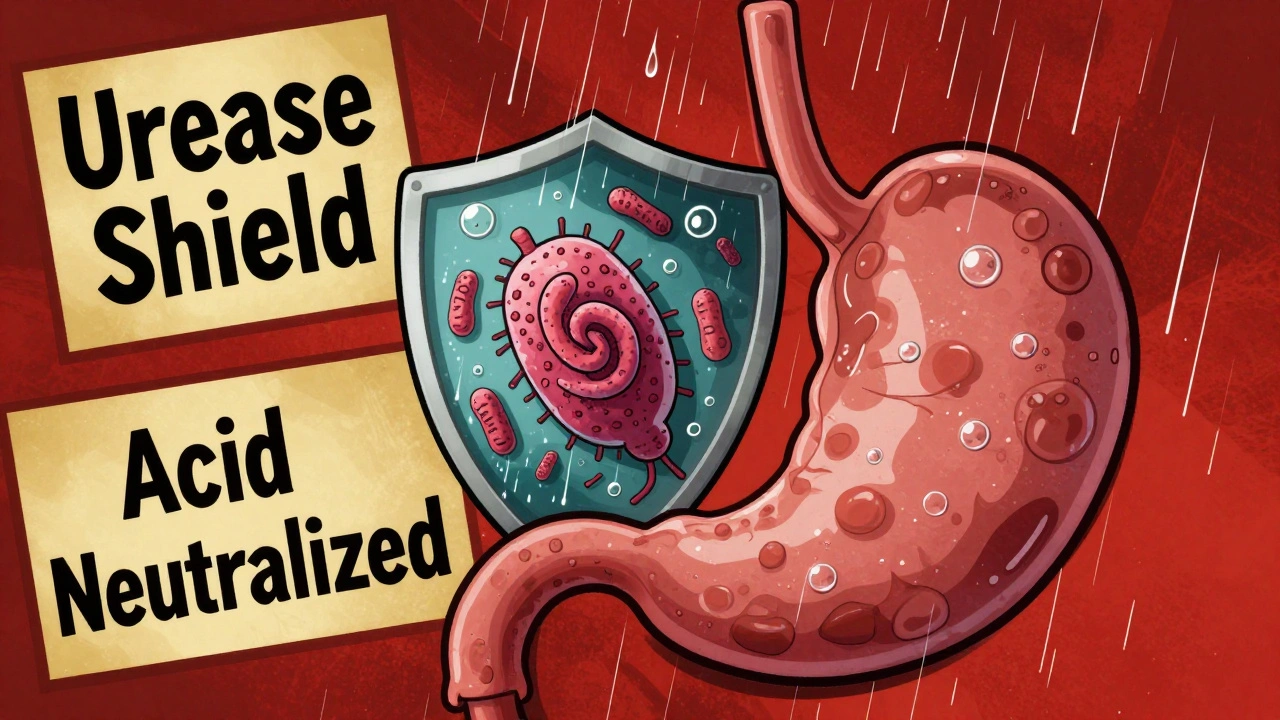
H. pylori Infection: How Testing and Quadruple Therapy Combat Rising Antibiotic Resistance
H. pylori infection is common and can cause ulcers and stomach cancer. Modern testing and quadruple therapy are now first-line due to rising antibiotic resistance. Learn which tests work best and how to ensure successful treatment.
Read more