
Generic Substitution: What It Means and Why It Matters for Your Health
When your pharmacist hands you a pill with a different name than what your doctor wrote, that’s generic substitution, the practice of replacing a brand-name drug with a chemically identical generic version. Also known as drug switching, it’s a routine part of modern healthcare designed to cut costs without sacrificing effectiveness. But just because the active ingredient is the same doesn’t mean your body won’t notice a difference.
Behind every generic drug, a medication approved by the FDA as therapeutically equivalent to a brand-name drug is a strict process called the ANDA process, the FDA’s pathway for approving generics by proving bioequivalence to the original. The FDA doesn’t just accept claims—it demands proof that the generic delivers the same amount of medicine into your bloodstream at the same rate as the brand. That’s bioequivalence, and it’s the legal standard that keeps substitution safe. But here’s the catch: while the active ingredient must match, everything else—fillers, coatings, dyes, and release mechanisms—can be different. That’s why some people report side effects or reduced effectiveness after switching, even when the science says they shouldn’t.
Not all drugs play nice with substitution. Medications with a narrow therapeutic index, drugs where small changes in blood levels can cause serious harm or treatment failure—like warfarin, thyroid meds, or seizure drugs—require extra caution. A tiny shift in absorption can throw your INR off or make your seizures return. That’s why doctors often monitor you closely after a switch. And it’s not just about the drug itself. Inactive ingredients, the non-active components in a pill that help it hold together or dissolve can trigger allergies or upset stomachs in sensitive people. One person’s generic is fine; another’s causes nausea because of a different dye or filler they didn’t have before.
Manufacturing changes also matter. If a company tweaks its production line, the FDA may need to re-evaluate the generic—even if the formula hasn’t changed. Delays happen. So does confusion. You might get the same pill from the same pharmacy, but if it came from a different factory, it could behave slightly differently in your body. That’s not a flaw in the system—it’s a reminder that pills aren’t just chemicals. They’re complex products shaped by design, regulation, and real human biology.
What you’ll find below are real stories and practical guides from people who’ve been through this. From how to spot when a generic isn’t working for you, to why your thyroid levels changed after a switch, to what questions to ask your pharmacist before accepting a substitution—these posts cut through the noise. No fluff. No jargon. Just what you need to know to stay safe, save money, and take control when your prescription changes names.

Patient Counseling on Generics: What Pharmacists Must Discuss to Ensure Adherence and Trust
Pharmacists must clearly explain generic substitutions to patients to prevent misunderstandings, improve adherence, and ensure safety. Learn the key counseling points, legal requirements, and practical strategies to build trust and reduce non-adherence.
Read more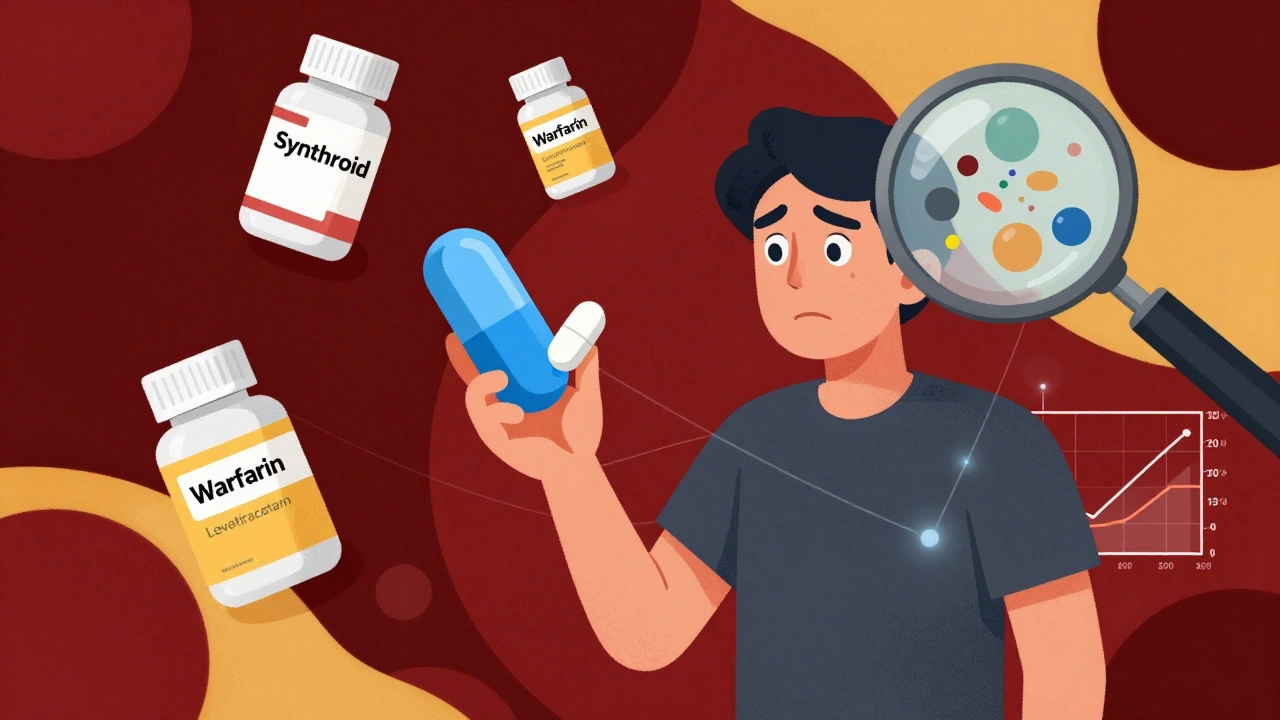
Switching from Brand to Generic Drugs: What to Expect in 2025
Switching from brand to generic drugs can save money, but it’s not always simple. Learn what to expect, when it’s safe, and how to protect yourself from side effects or reduced effectiveness.
Read more