
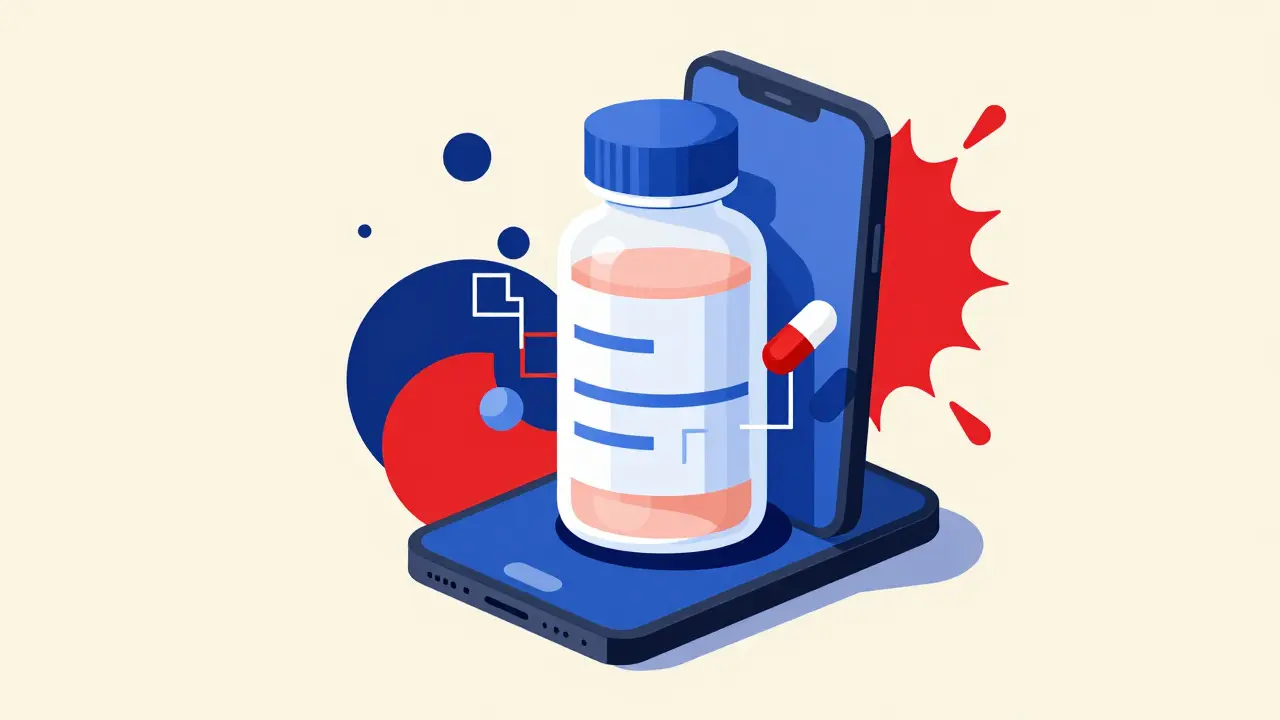
DTx Impact & Interaction Simulator
How it works: Select a medical condition to see how a Digital Therapeutic (DTx) interacts with traditional medication to enhance treatment efficacy and patient adherence.
Select Treatment Area
Diabetes Management
DTx provides real-time insulin titration guidance, reducing HbA1c more effectively than medication alone.
| Feature | Traditional Approach | Digital Therapeutics (DTx) |
|---|---|---|
| Intervention Type | Chemical/Pharmacological | Algorithmic/Behavioral |
| Adherence Monitoring | Patient self-report/Pharmacy refills | Real-time tracking and behavioral prompts |
| Personalization | Fixed dosing schedules | Dynamic adjustments based on user data |
| Regulatory Path | Rigorous Phase III Clinical Trials | FDA 510(k) or De Novo Classification |
The Rise of Digital Drug Companions
One of the most impactful ways software interacts with medicine is through Digital Drug Companions. These aren't just timers; they are systems designed to ensure that high-stakes medications-like insulin, warfarin, or antiretrovirals-actually get into the patient. Consider this: about 30% of prescriptions are never even filled. That is a massive failure in the healthcare chain. Digital companions bridge this gap by identifying why a patient is struggling. Maybe they can't afford the drug, or they are terrified of an injection. By offering real-time support and connecting patients to financial aid, these tools do what a standard pharmacy follow-up call simply cannot. For people with chronic respiratory issues like COPD or asthma, where adherence is notoriously low (often between 40% and 50%), DTx has been shown to boost adherence by 22-28 percentage points. When the software works in tandem with the drug, the clinical outcome improves because the drug is actually being used as intended.How DTx Functions Across Different Diseases
Not all digital therapies look the same. The "interaction" between the software and the patient depends heavily on the medical condition being treated. According to NIH research, the architecture is tailored to the specific needs of the pathology:- Diabetes Management: These typically use mobile web interfaces. For example, DarioEngage focuses on insulin titration guidance. In a 6-month trial, users saw a 1.2% greater reduction in HbA1c when using the DTx alongside their medication compared to medication alone.
- Mental Health: This area often uses Cognitive Behavioral Therapy (CBT) modules. A recent milestone was the FDA clearance of DaylightRx, a 90-day program for generalized anxiety disorder. Here, the software acts as a non-pharmacological intervention that can either replace or support psychotropic drugs.
- Neurological & Pediatric Care: For conditions like ADHD, the intervention is often gamified. EndeavorRx uses specialized gaming tasks to treat cognitive dysfunction, requiring gaming-capable hardware rather than just a basic smartphone.
- Respiratory Care: These often integrate Internet-of-Things (IoT) devices (like smart inhalers) to provide objective data on medication usage and lung function.
Potential Risks and Adverse Interactions
When we talk about "interactions" in a traditional sense, we think of side effects. DTx has its own version of this. While software can't cause a liver reaction, it can cause psychological or physiological stress. In clinical trials for EndeavorRx, about 7% of patients reported non-serious adverse events, including dizziness, nausea, and even aggressiveness. There is also the risk of "therapeutic interference." Some experts in psychiatry worry about the "gamification" of mental health. If a patient relies too heavily on a game-like app for anxiety, will it undermine the deep, human therapeutic relationship required for long-term recovery when used with antidepressants? Furthermore, there is the issue of digital literacy. For patients over 65, the "interaction" with the technology can be so frustrating that it leads to treatment abandonment. Data shows a 45% higher discontinuation rate for elderly users who don't have in-person onboarding support.The Path to Precision Dosing
Looking forward, the most exciting interaction is the move toward precision medicine. Right now, most of us take a standard dose of a drug regardless of how we feel that specific morning. However, because DTx can collect real-time behavioral and physiological data, it opens the door for dynamic medication dosing. Imagine a system where your DTx monitors your sleep, stress levels, and symptom severity, then suggests a dosage adjustment to your doctor in real-time. This is the goal of model-based drug development. By integrating DTx data with Electronic Health Records (EHRs), providers can move away from "one size fits all" medicine and toward a truly personalized regimen. This shift could fundamentally change how we manage high-risk medications where the window between a therapeutic dose and a toxic dose is very narrow.
Implementing DTx in a Clinical Workflow
For a provider, adding a digital therapeutic to a treatment plan isn't as simple as handing over a link. It requires a structured onboarding process. Patients usually need two to three personalized sessions (about an hour in total) to truly grasp how to use a digital drug companion, especially for specialty medications that require prior authorization. One effective strategy has been the introduction of "DTx Navigators." These are dedicated staff members who act as the bridge between the technology and the patient. By helping users troubleshoot technical glitches and interpreting the data for the physician, these navigators have been shown to reduce patient dropout rates by 33%. Without this human layer, the technology often becomes a barrier rather than a bridge.The Regulatory Landscape and Future Outlook
The market is moving fast, with a projected value of $14.2 billion by 2028. However, the regulatory side is still catching up. The FDA treats prescription DTx as Software as a Medical Device (SaMD), which means they require much more evidence than your average health app. But there is a gap: pharmaceutical drugs go through massive Phase III trials, while many DTx products are cleared based on much smaller studies. By 2026, it's predicted that 40% of all chronic disease management will include some form of DTx. We are moving toward a hybrid model of care. The focus is now shifting toward pharmacovigilance-essentially, creating systems to monitor how these software interventions affect patients over the long term and how they interact with new drugs entering the market.What is the difference between a health app and a digital therapeutic?
A health app is generally for wellness or tracking (like a calorie counter). A digital therapeutic (DTx) is evidence-based software that is clinically evaluated to treat, manage, or prevent a specific medical disorder. Many DTx are regulated as medical devices by the FDA and require a prescription.
Can digital therapeutics replace traditional medication?
In some cases, yes, such as DaylightRx being used for generalized anxiety. However, in most chronic conditions like diabetes or heart disease, DTx is used as an adjunctive therapy. This means it works alongside medication to improve adherence and optimize the overall treatment outcome.
Are there side effects to using DTx?
While they don't have chemical side effects, they can cause "digital" adverse events. Clinical trials have shown some users experience headaches, dizziness, frustration, or nausea, particularly with high-engagement tools like VR or intensive gaming-based therapies.
How do DTx improve medication adherence?
They go beyond simple reminders. DTx platforms identify specific barriers-such as cost or fear-and provide real-time interventions, such as linking patients to financial assistance programs or offering behavioral coaching to reduce anxiety around injections.
Is my data safe when using these platforms?
Security varies. While FDA-cleared DTx must follow strict medical device regulations, there are ongoing concerns regarding patient information protection, particularly in mental health applications. Always check if the platform integrates with your EHR and follows standard healthcare privacy laws.