

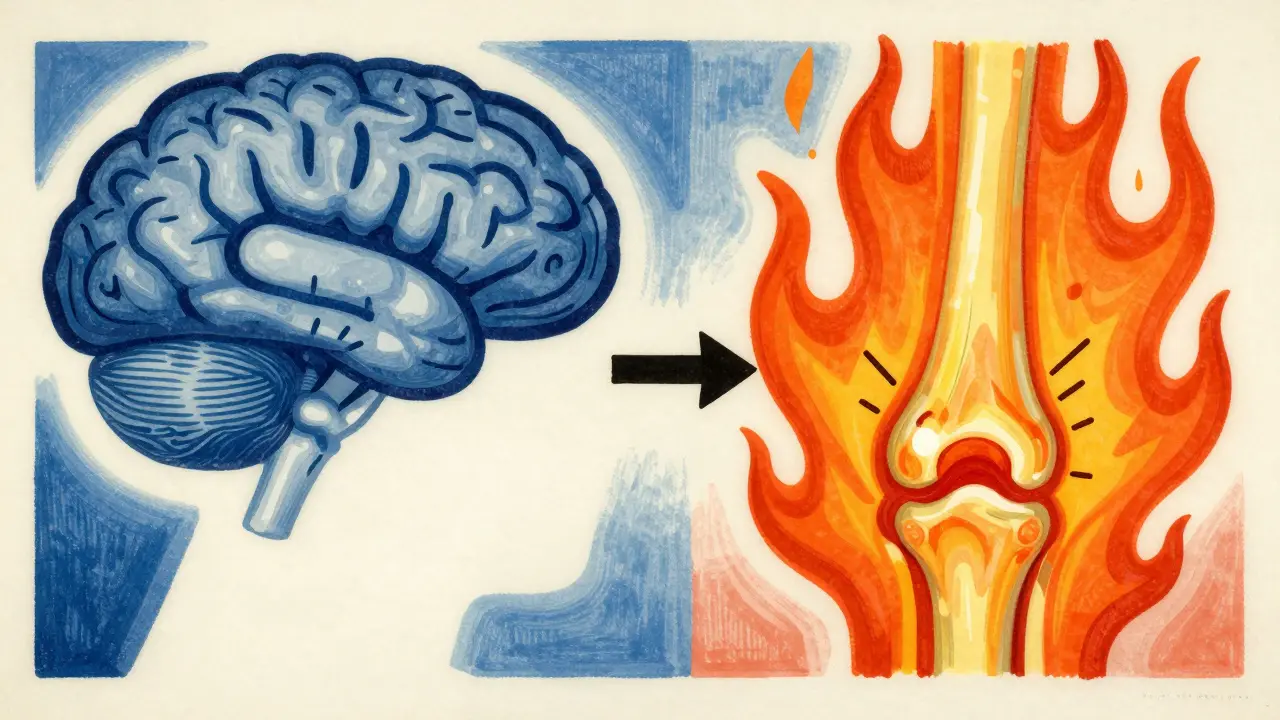
To start, let's get the basics straight. Acetaminophen is a pain-relieving and fever-reducing medication that works primarily within the central nervous system. Commonly known by the brand name Tylenol, it raises your overall pain threshold so you don't feel the ache as intensely. However, it doesn't do much to stop the actual cause of inflammation at the site of an injury.
On the other side, we have NSAIDs, which stands for nonsteroidal anti-inflammatory drugs. This is a group of medications-including ibuprofen (Advil, Motrin), naproxen (Aleve), and aspirin-that travel through your entire body. They block enzymes called COX-1 and COX-2 to stop the production of prostaglandins, the chemicals that cause your joints to swell and your skin to redden.
Which One Should You Use?
The decision usually comes down to one question: Is there swelling involved? If you have a toothache, a tension headache, or a fever, Acetaminophen vs NSAIDs usually tips in favor of acetaminophen. It's generally easier on the stomach and is the gold standard for basic pain. In fact, it's the only over-the-counter option recommended for children under 12 and pregnant women.
But if you're dealing with a sprained ankle, a flare-up of osteoarthritis in your hip, or those brutal menstrual cramps, you want an NSAID. Because they target inflammation, they are roughly 20-30% more effective for these conditions. While acetaminophen might take the edge off a joint ache, NSAIDs actually attack the swelling that makes the joint hurt in the first place.
| Feature | Acetaminophen | NSAIDs (Ibuprofen/Naproxen) |
|---|---|---|
| Primary Use | Headaches, Fever, General Pain | Inflammation, Arthritis, Muscle Sprains |
| Action Site | Central Nervous System (Brain) | Systemic (Brain and throughout body) |
| Stomach Impact | Low (Safe on empty stomach) | High (Can cause ulcers/irritation) |
| Main Risk | Liver Toxicity | Kidney and Cardiovascular Issues |
| Typical Duration | 4 to 6 hours | 4 to 12 hours (depending on drug) |
The Danger Zone: Liver vs. Stomach
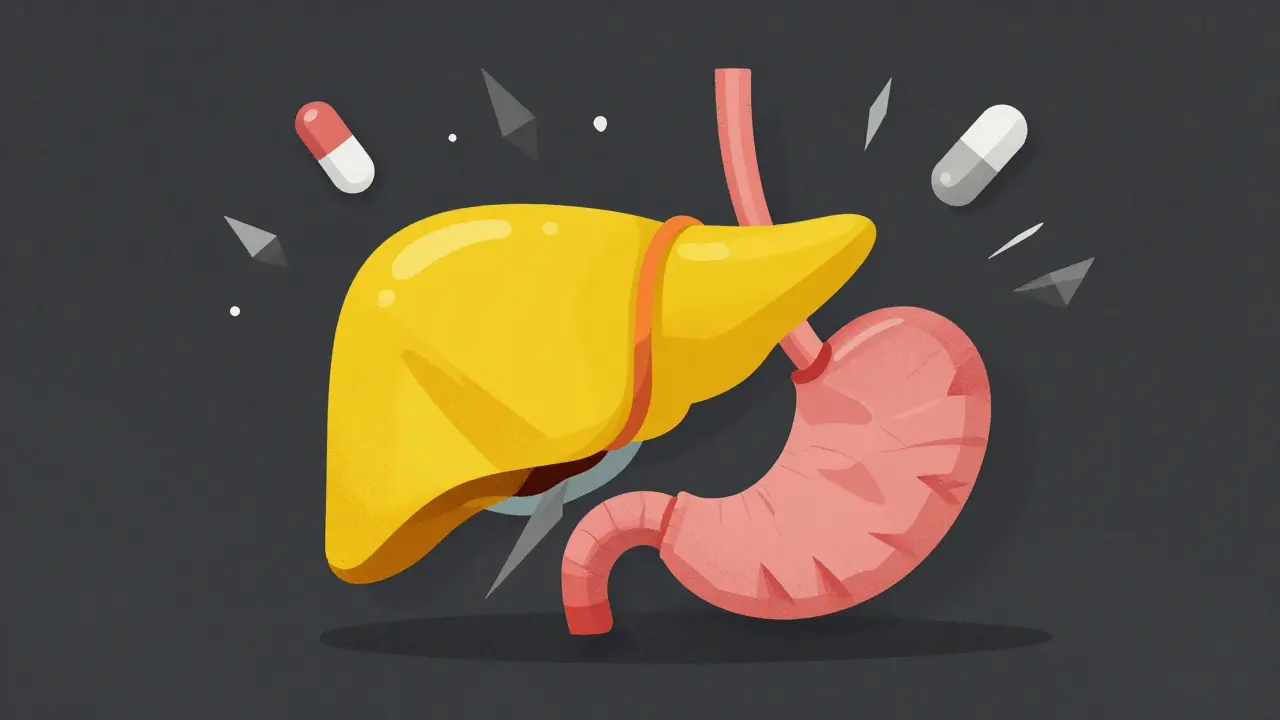
No medication is without risk, and these two have very different "danger zones." Acetaminophen is processed by the liver. If you take too much, you risk severe liver damage. The official ceiling is 4,000 mg in 24 hours, but many health experts suggest sticking to 3,000 mg to be safe. The real danger here is "hidden" acetaminophen. It's in many cold and flu syrups; if you take a Tylenol pill and a multi-symptom cold liquid, you might accidentally double your dose without realizing it.
NSAIDs, meanwhile, are tough on the gastrointestinal tract. They reduce the protective lining of your stomach, which is why some people develop stomach ulcers. There's a documented 2-4% annual risk of ulcers for frequent NSAID users, compared to less than 0.5% for those using acetaminophen. To protect yourself, always take NSAIDs with food or a glass of milk. If you're using them long-term, some people add a stomach acid inhibitor like famotidine to keep their lining intact.
There is also a cardiovascular side to the story. Chronic, high-dose use of ibuprofen can increase the risk of heart attack. If you have a history of heart disease, naproxen is often considered a slightly safer alternative among the NSAIDs, though you should always clear this with your doctor first.
Dosing and Timing Strategies
Getting the timing right means you spend less time in pain and more time recovering. Acetaminophen usually requires a dose every 4 to 6 hours. Because it doesn't last as long in the system, you have to be more diligent about the clock.
NSAIDs vary by type. Ibuprofen is a short-acting option, usually taken every 4 to 6 hours. However, Naproxen is the long-distance runner of the group. One dose can last between 8 and 12 hours, which is why it's often the preferred choice for chronic conditions like arthritis where you don't want to keep popping pills all day.
For those dealing with severe pain, some doctors suggest a "synergistic" approach. This means alternating between an NSAID and acetaminophen. By combining the two, you can often achieve the same level of pain relief while using lower doses of each, which reduces the risk of side effects for both your liver and your stomach.
Common Pitfalls to Avoid
The biggest mistake people make is "stacking" medications. Never take two different NSAIDs at once-for example, don't take ibuprofen and naproxen together. Doing this doesn't double your pain relief; instead, it can increase your risk of stomach bleeding by up to 300%. Stick to one NSAID and combine it with acetaminophen if necessary.
Another common error is ignoring the labels. Since 2011, acetaminophen packaging has carried heavy warnings about liver toxicity, and since 2015, NSAIDs have carried cardiovascular warnings. These aren't just legal fine print; they are critical guidelines. If you drink three or more alcoholic beverages a day, your liver is already under stress, making acetaminophen significantly more dangerous.
Can I take Tylenol and Advil at the same time?
Yes, you can. Because Tylenol (acetaminophen) and Advil (ibuprofen) work through different pathways in the body, they can be taken together or alternated. This is often recommended for high fevers or post-surgical pain to keep pain levels low while minimizing the dose of any single drug.
Why is acetaminophen safer for children?
Acetaminophen is generally safer because it doesn't cause the same stomach irritation or kidney stress that NSAIDs do. Additionally, certain NSAIDs are linked to Reye's Syndrome in children (specifically aspirin), making acetaminophen the safer, standard choice for pediatric fever and pain.
Which one is better for a migraine?
It depends on the person, but acetaminophen is highly effective for many, with about 70% of migraine sufferers reporting relief. However, if your migraine is accompanied by significant inflammation or is a cluster headache, an NSAID like ibuprofen may work better. Many find a combination of both to be the most effective.
How do I know if I've taken too much acetaminophen?
Early signs of overdose can be subtle, such as nausea, vomiting, or loss of appetite. However, severe liver damage may not show symptoms for 24 to 48 hours. If you suspect you've exceeded 4,000 mg in a day, seek medical attention immediately even if you feel fine.
Do NSAIDs affect kidney function?
Yes, they can. NSAIDs reduce blood flow to the kidneys, which can be dangerous for people with existing kidney disease, high blood pressure, or those who are dehydrated. This is why people with renal issues are usually told to stick with acetaminophen.
Next Steps for Safe Relief
If you're still unsure which to pick, start with a simple decision tree: Is there swelling? If yes, try an NSAID with food. If no, go with acetaminophen. If the pain doesn't budge after a couple of days, it's time to stop the OTC cycle and call a doctor. Chronic pain is a signal that something is wrong, and masking it with pills can sometimes hide a more serious underlying condition.
For those managing long-term issues like arthritis, keep a log of what works. Note the dosage and the time of day. You might find that naproxen in the morning keeps you mobile throughout the day, while a dose of acetaminophen at night helps you sleep without irritating your stomach.