

Walking down the pharmacy aisle during flu season is overwhelming. You're faced with a wall of colorful boxes promising "maximum strength" relief, but here is the uncomfortable truth: many of the most popular OTC cough and cold medicine options don't actually do what they claim. In fact, some of the most common ingredients are currently under fire from health regulators for being essentially useless, while others can be dangerous if given to the wrong person.
Quick Safety Takeaways
- Avoid OTC cough medicines for children under 6: There is no evidence they work, and the risk of accidental overdose is high.
- Check for Phenylephrine: The FDA has indicated that oral phenylephrine (found in many "Day" formulas) is ineffective as a decongestant.
- Honey is a winner: For kids over 12 months, honey is often as effective as pharmaceutical cough syrups.
- Read labels twice: Many multi-symptom medicines contain the same ingredients; taking two different brands can lead to a dangerous overdose.
The Phenylephrine Problem: Why Your Decongestant Might Not Be Working
If you've ever felt like your nasal spray worked but your oral cold pill didn't, you're not imagining it. Phenylephrine is a common oral decongestant used to shrink swollen blood vessels in the nasal passages. However, recent findings from the FDA's Non-prescription Drug Advisory Committee concluded that at the standard 10mg dose, it simply doesn't work. It's essentially a placebo in pill form.
The science is pretty clear here. A meta-analysis showed that while high doses (which aren't sold over the counter) might do something, the amounts you find in products like Sudafed PE or DayQuil show no significant difference in airway resistance compared to a sugar pill. If you really need a decongestant, Pseudoephedrine (the kind you have to get from behind the pharmacy counter with an ID) is the gold standard for actual relief. Alternatively, intranasal sprays provide direct action with far fewer systemic side effects.
Pediatric Safety: The Danger Zone for Children
Giving cold medicine to a toddler might seem like the only way to get them to sleep, but doctors are sounding the alarm. The American Academy of Pediatrics warns that these medicines aren't just ineffective in children-they can be lethal. Between 2000 and 2007, there were 20 reported child deaths in the US linked to these preparations, with the majority occurring in kids under two.
The problem is that children's bodies process these drugs differently, and a small dosing error can lead to toxicity. Furthermore, there is zero clinical evidence that these drugs make children recover faster. Instead of a syrup, try these safer, evidence-backed methods:
- Saline Drops: Use saline nose drops and a bulb suction tool to clear nasal passages.
- Humidified Air: A cool-mist humidifier helps keep mucus thin and easy to clear.
- Hydration: Plenty of fluids keep the throat moist and the body hydrated.
- Honey: For children over 1 year old, a half-teaspoon (2.5mL) of honey before bed has been shown to reduce cough frequency as effectively as many OTC drugs.
Breaking Down Common Ingredients
To avoid mistakes, you need to know what's actually in the bottle. Most "Cold and Flu" products are just cocktails of a few basic ingredients. Understanding these helps you avoid "double-dosing" (taking two different products that both contain the same active drug).
| Ingredient | Type | What it Does | Reality Check |
|---|---|---|---|
| Guaifenesin | Expectorant | Thins mucus to make coughing easier | Evidence for efficacy is generally poor. |
| Dextromethorphan | Suppressant | Blocks the cough reflex in the brain | Limited clinical benefit in many studies. |
| Phenylephrine | Decongestant | Attempts to clear nasal congestion | FDA considers oral version ineffective. |
| Pseudoephedrine | Decongestant | Shrinks swollen nasal membranes | Effective, but regulated (behind counter). |

Dangerous Interactions and Side Effects
Just because a medicine is "over-the-counter" doesn't mean it's harmless. Certain ingredients can react violently with other medications you might be taking. For instance, decongestants can cause a dangerous spike in blood pressure and heart rhythm issues if combined with MAOIs (Monoamine Oxidase Inhibitors) or certain tricyclic antidepressants.
Even without other drugs, high doses of decongestants can lead to heart palpitations and hypertension. This is why pharmacists ask if you have high blood pressure before selling you certain products. If you're already managing a heart condition or hypertension, a "simple cold pill" could potentially trigger a medical emergency.
How to Choose the Right Product (The Safe Way)
Since the market is flooded with ineffective or potentially risky options, you need a strategy. Stop looking at the brand name on the front of the box and start looking at the "Drug Facts" label on the back.
- Identify your primary symptom: Are you dealing with a dry, hacking cough, or a congested nose? Don't take a "multi-symptom" drug if you only have one symptom.
- Check for duplicates: If you're taking a pain reliever like Tylenol and a multi-symptom cold medicine, make sure both don't contain acetaminophen. Overdosing on acetaminophen is a leading cause of liver failure.
- Prioritize delivery method: If you have a stuffed nose, a targeted nasal spray is usually more effective and has a lower risk of systemic side effects than an oral pill.
- Verify the age: Never give a product labeled "Adult" to a child, even if you've calculated the dose based on weight. The formulations are often different and dangerous.
Alternative Remedies That Actually Work
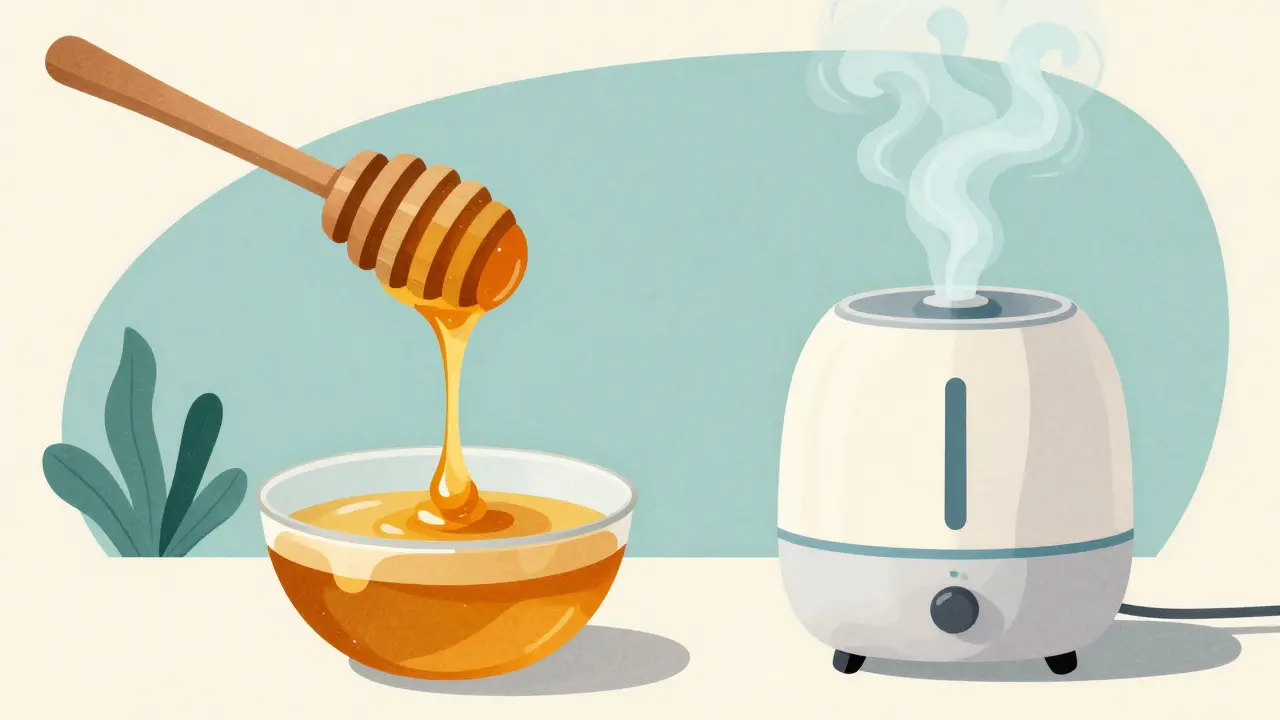
When the pharmaceutical options fail or feel too risky, there are a few reliable alternatives. The most notable is Honey, which has been validated in multiple studies as a safe and effective cough suppressant for those over 12 months. It coats the throat and reduces the irritation that triggers the cough reflex.
Warm salt-water gargles also provide genuine relief for sore throats by drawing out excess fluid from inflamed tissues. When it comes to congestion, saline nasal rinses (like Neti pots) are highly recommended by clinicians to physically clear mucus without the use of vasoconstrictors that can lead to "rebound congestion" (where your nose gets even more stuffed once the spray wears off).
Are OTC cold medicines safe for toddlers?
No. Most health organizations, including the Mayo Clinic and AAP, advise against using OTC cough and cold medicines in children under 6. They are not proven to be effective in this age group and carry a high risk of serious side effects and accidental overdose.
Why is phenylephrine being removed from some products?
The FDA's advisory committee found that oral phenylephrine does not effectively reduce nasal congestion at standard doses. Because it lacks clinical efficacy, the FDA has proposed removing it from the approved list of OTC ingredients.
What is the difference between pseudoephedrine and phenylephrine?
Pseudoephedrine is an effective decongestant but is kept behind the pharmacy counter to prevent illegal use in methamphetamine production. Phenylephrine is available on open shelves but is widely considered ineffective in its oral form.
Can I take two different cold medicines at once?
You should be very cautious. Many cold medicines combine acetaminophen, decongestants, and cough suppressants. If you take two different brands, you might double your dose of a specific ingredient, which can lead to toxicity or organ damage.
Is honey safe for all children?
No. Honey should never be given to infants under 12 months old due to the risk of botulism, a rare but serious illness caused by spores that can be found in honey.
What to Do Next
If you're currently fighting a cold, start by auditing your medicine cabinet. Toss any expired products and look at the labels for phenylephrine-if that's the only decongestant in the mix, you might be wasting your money. If you're caring for a child, stick to saline, humidity, and honey (if they are over a year old).
If you experience shortness of breath, a fever that won't break, or a cough that lasts more than ten days, put the OTC bottles away and call your doctor. Some "colds" are actually bacterial infections or pneumonia, which require antibiotics that no over-the-counter product can provide.