
Narrow Therapeutic Index: Why Some Medications Need Precise Dosing
When a drug has a narrow therapeutic index, the range between an effective dose and a toxic one is very small. Also known as a narrow therapeutic window, it means even a tiny mistake in dosage can lead to serious harm—or even death. This isn’t about taking too much of a painkiller. It’s about medications where 10% more or less can turn treatment into a medical emergency.
Drugs with a narrow therapeutic index don’t play nice with changes. A small shift in how your body absorbs them—because of food, another drug, or even a change in your liver or kidney function—can push you over the edge. That’s why narrow therapeutic index drugs like warfarin, digoxin, lithium, and certain antiseizure meds require close monitoring. You can’t just take them and forget. Blood tests aren’t optional; they’re lifesaving. And if you switch from brand to generic, or if your pharmacy changes the manufacturer, that tiny difference in formulation can matter. The FDA requires extra proof that generics with a narrow therapeutic index are truly equivalent, but even then, some patients need to stick with one brand.
It’s not just about the pill. It’s about the syringe, the timing, the food you eat with it, and the other meds you’re taking. For example, if you’re on warfarin and start taking an antibiotic, your blood thinning can spike overnight. Or if you’re on lithium and get dehydrated from a fever, your levels can climb into dangerous territory. These aren’t rare cases—they’re predictable risks that happen because the margin for error is so thin. That’s why doctors and pharmacists go the extra mile with these drugs: they check your labs, review your whole med list, and sometimes even call you to confirm you’re taking the right amount.
What you’ll find in the posts below are real-world examples of how this plays out. From how statins interact with other drugs to why liquid dosing matters more with certain prescriptions, every article ties back to the same truth: some medications demand precision. Whether it’s avoiding bleeding risks with blood thinners, preventing heart rhythm problems with antidepressants, or managing kidney stress from diuretics, the theme is clear—when the therapeutic window is narrow, there’s no room for guesswork. These aren’t theoretical concerns. They’re daily realities for millions. And knowing how to navigate them could save your life.
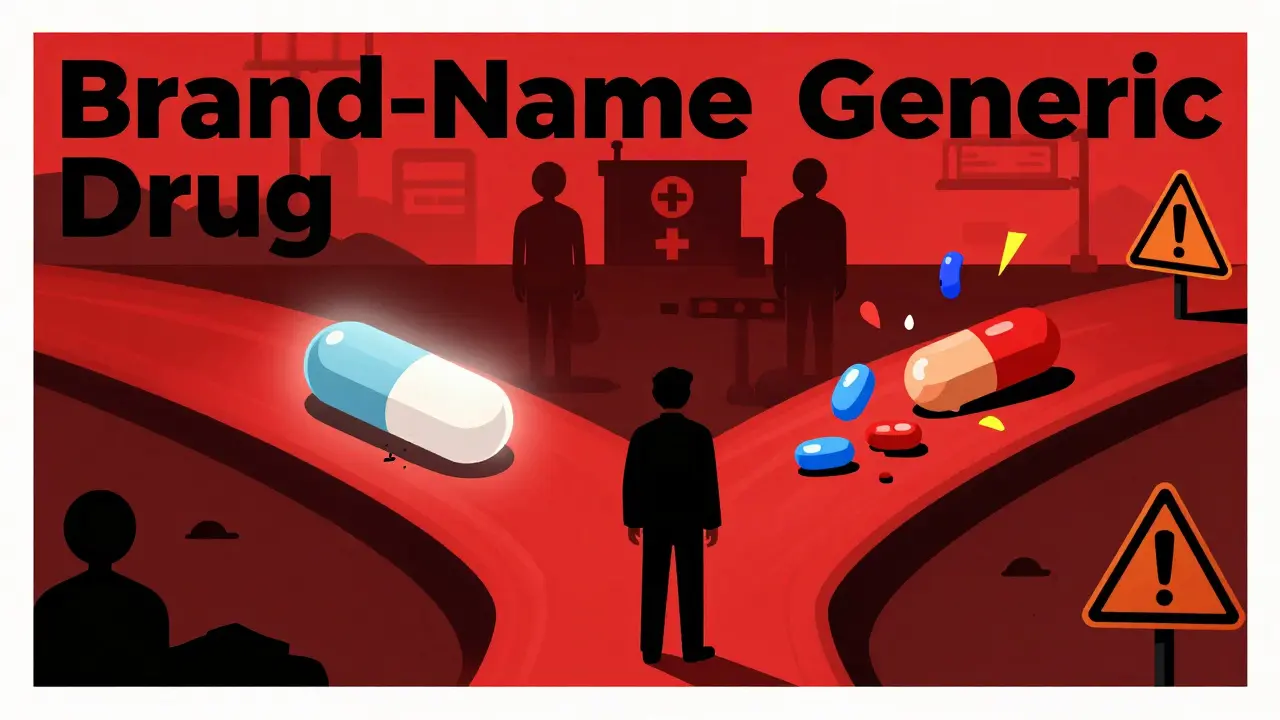
Therapeutic Failures: When a Generic Drug Doesn't Work as Expected
Generic drugs are supposed to be safe, affordable alternatives - but when they fail to deliver the right dose, the results can be deadly. Learn why some generics don't work and what you can do to protect yourself.
Read more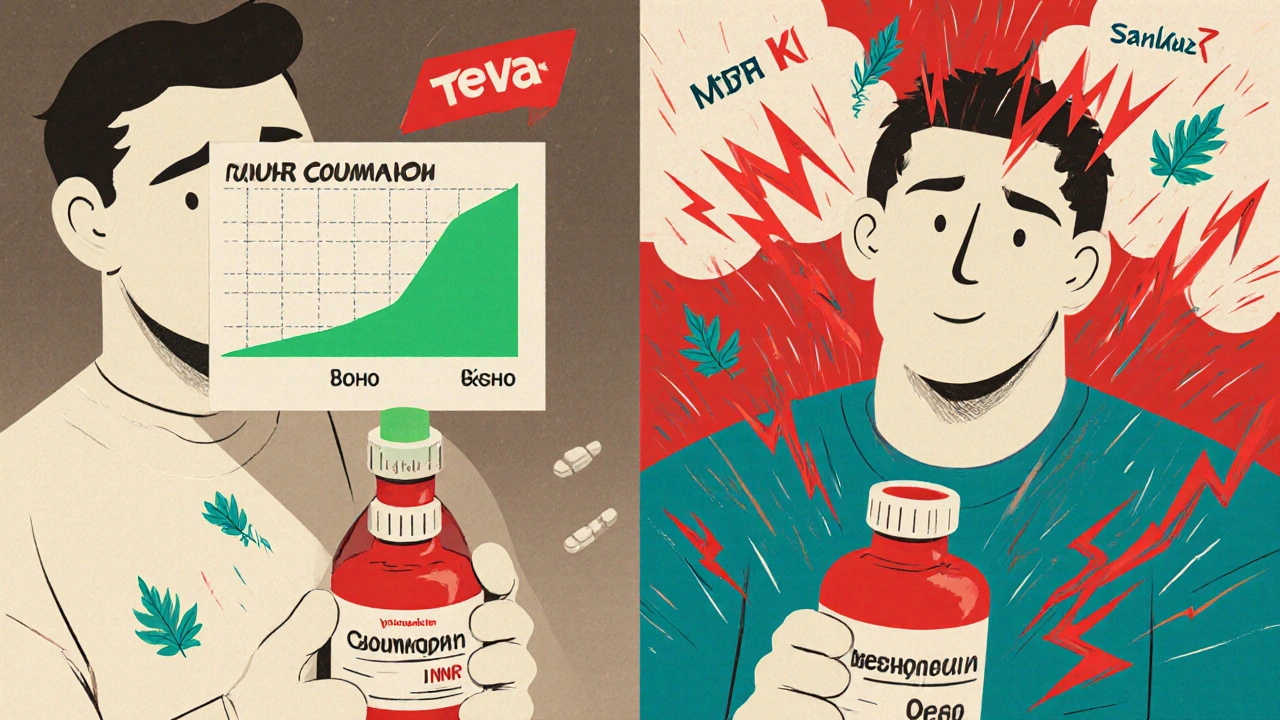
Warfarin and Generic Switching: What You Need to Know About INR Monitoring and Safety
Switching warfarin brands can affect your INR levels and safety. Learn why generic switching needs careful monitoring, how to stay stable, and when to consider newer alternatives.
Read more