
Medication Side Effects: What You Need to Know About Risks and Safety
When you take a medication side effect, an unintended reaction to a drug that isn’t the intended therapeutic outcome. Also known as adverse drug reaction, it’s not just about feeling a little nauseous—it can mean serious heart rhythm changes, liver damage, or even breathing failure. Most people assume if a doctor prescribed it, it’s safe. But the truth is, even common pills like antidepressants, blood thinners, or statins can quietly harm you if you don’t know the warning signs.
QT prolongation, a dangerous heart rhythm disturbance triggered by certain drugs is one of the quietest killers. Drugs like citalopram and escitalopram, often used for depression, can stretch your heart’s electrical cycle past safe limits—especially at higher doses. It doesn’t always cause symptoms until it’s too late. Then there’s drug-induced liver injury, liver damage caused by medications or supplements, often without obvious symptoms until it’s advanced. Acetaminophen, statins, and even herbal products can quietly fry your liver. And respiratory depression, slowed or stopped breathing from opioids or sedatives doesn’t always come from street drugs—it happens to people taking prescribed painkillers or sleep aids, especially when mixed with alcohol or benzodiazepines.
These aren’t rare edge cases. They’re documented risks backed by real patient data. Switching generic warfarin brands can throw your INR off balance. Taking NSAIDs with blood thinners can turn a simple headache pill into a bleeding emergency. Even something as simple as using the wrong dosing cup for liquid medicine can lead to overdose. Your body reacts differently to tablets vs. extended-release versions, and menopause, kidney issues, or hearing exposure can change how drugs behave in you.
What you’ll find below isn’t a list of scary warnings—it’s a practical guide to spotting danger before it hits. You’ll see exactly which medications carry the highest risks, what tests to ask for, how to spot early signs of trouble, and what safer alternatives actually work. No fluff. No guesswork. Just clear, real-world info from posts written for people who want to stay healthy—not just take pills.
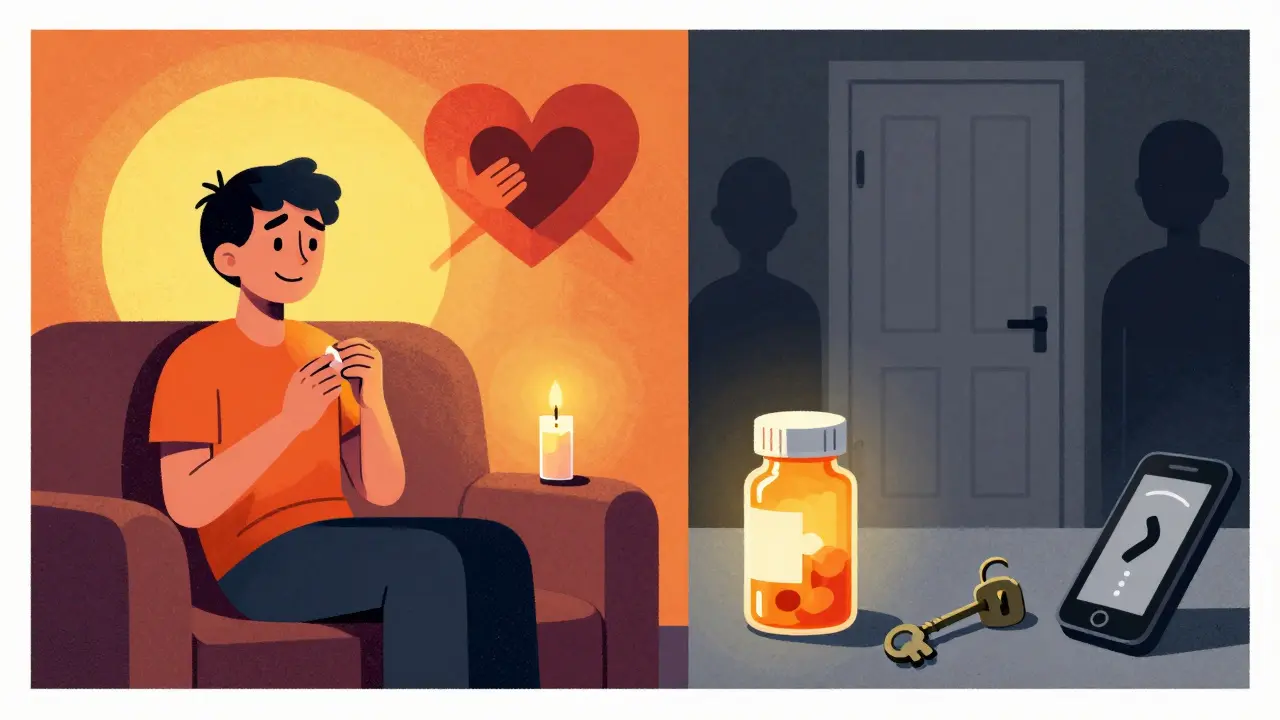
Counseling for Sexual Side Effects from Medications: What You Need to Know
Sexual side effects from medications like antidepressants are common, often untreated, and completely fixable. Learn how counseling, medication changes, and proactive care can restore your sex life and keep you on effective treatment.
Read more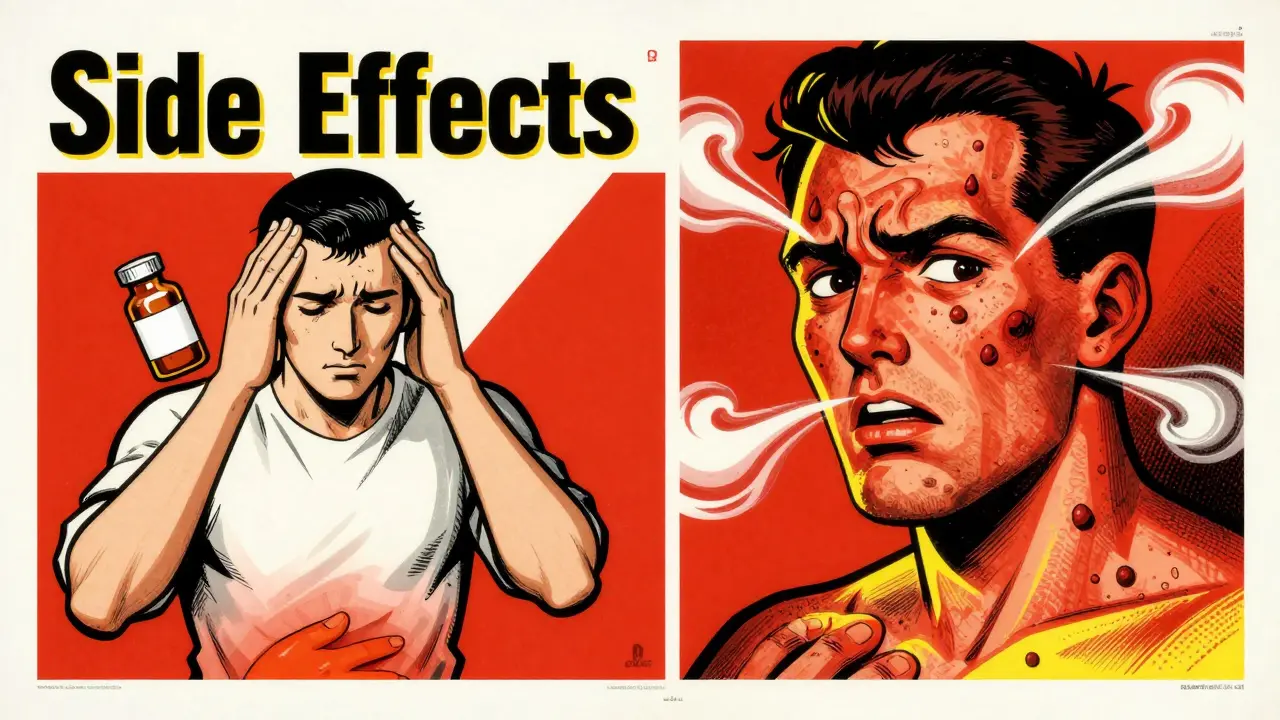
How to Ask About Side Effects vs. Allergies with Your Care Team
Learn how to clearly tell your care team whether a reaction to your medication is a side effect or a true allergy - and why mixing them up can lead to worse health outcomes and unnecessary drug risks.
Read more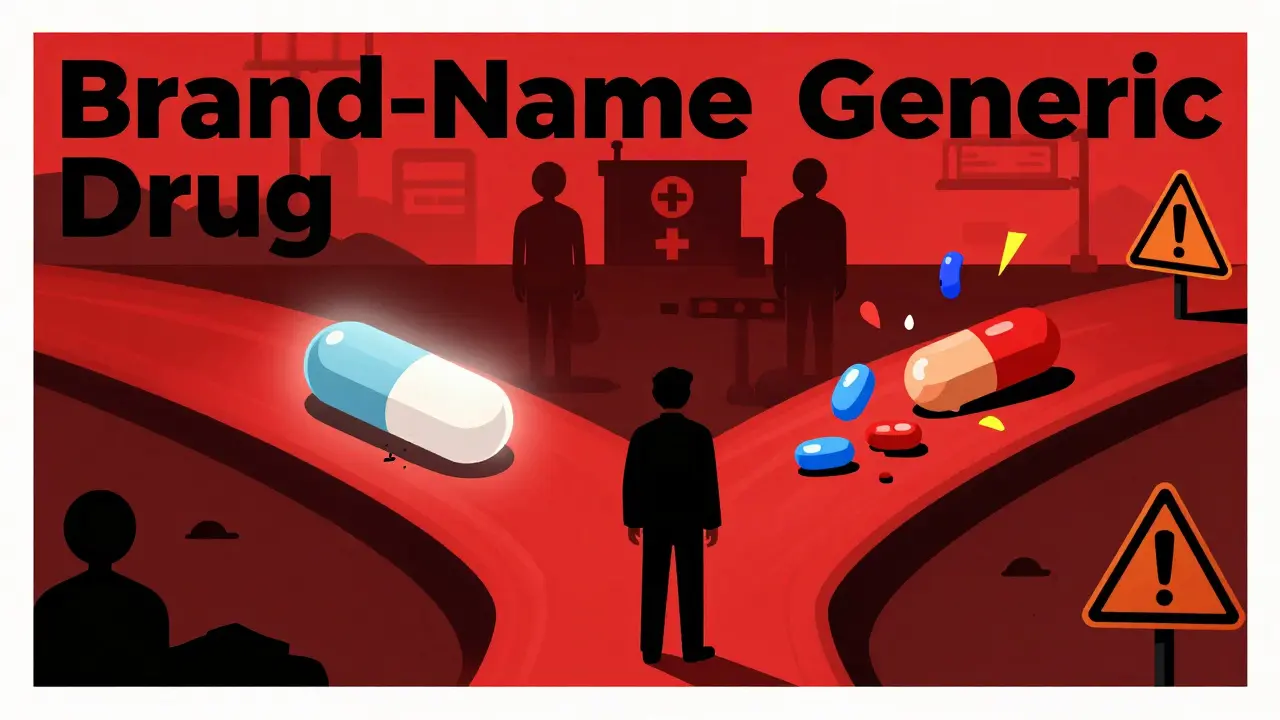
Therapeutic Failures: When a Generic Drug Doesn't Work as Expected
Generic drugs are supposed to be safe, affordable alternatives - but when they fail to deliver the right dose, the results can be deadly. Learn why some generics don't work and what you can do to protect yourself.
Read more
Red Flags: When to Call Your Doctor About a Medication Problem
Learn the red flags that mean you need to call your doctor right away about a medication problem. Know when side effects are harmless-and when they’re life-threatening.
Read more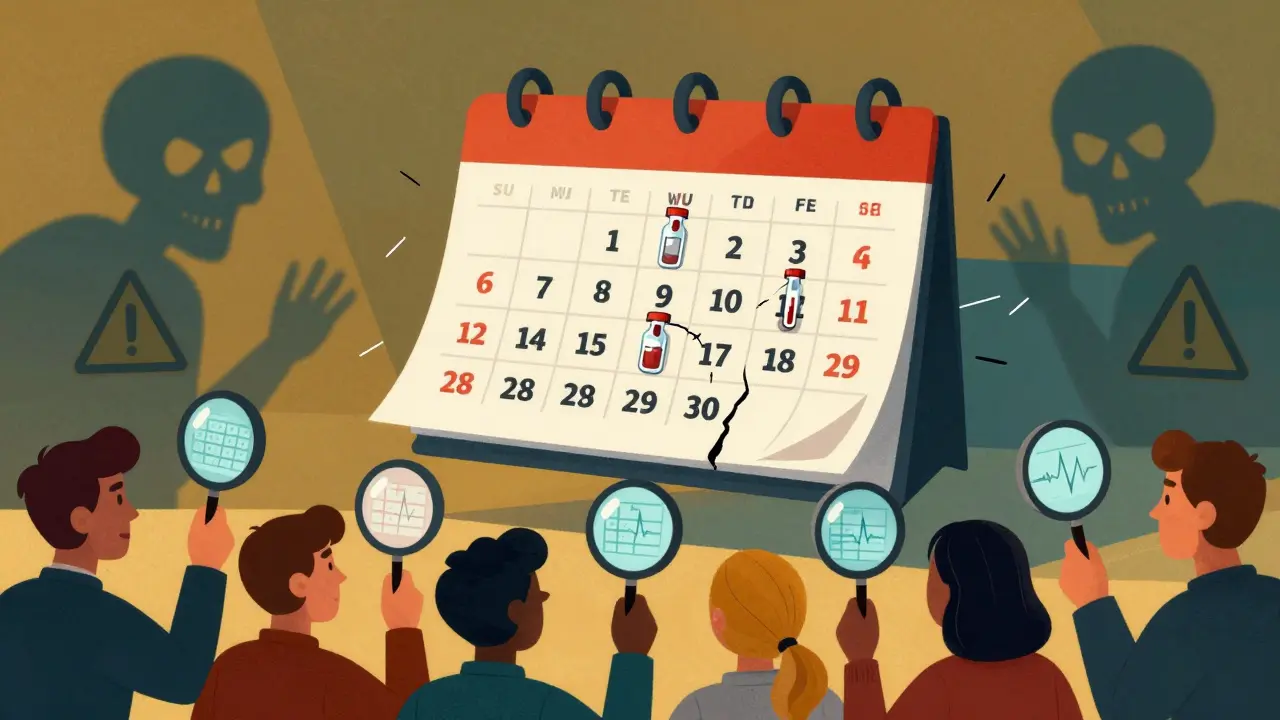
Lab Monitoring Calendars: Stay Ahead of Medication Side Effects
Lab monitoring calendars help prevent serious side effects from medications by tracking blood tests and symptoms on a scheduled basis. Learn which drugs need monitoring, how to build your own calendar, and what happens when you skip tests.
Read more
Inactive Ingredient Differences: Why Your Generic Medication May Feel Different
Generic medications save money but sometimes cause unexpected side effects due to different inactive ingredients. Learn why your body might react differently - and what to do about it.
Read more
Questions to Ask Your Doctor About Medication Side Effects
Learn the essential questions to ask your doctor about medication side effects to avoid dangerous reactions, reduce hospital visits, and take control of your health. Get practical advice backed by medical research.
Read more