
Medication Costs: Why Prices Vary and How to Save on Prescriptions
When you pick up a prescription, the price isn't just about the drug—it's shaped by medication costs, the total out-of-pocket expense patients pay for prescribed drugs, including copays, deductibles, and out-of-network fees. Also known as prescription prices, it's not just what the pharmacy charges—it's what your insurance allows, what the manufacturer sets, and whether a generic version is even available. Many assume generics are always cheaper, but that’s not always true. Sometimes, a brand-name drug costs less than its generic because of insurance tiering, pharmacy discounts, or manufacturer coupons. The generic drugs, medications approved by the FDA as bioequivalent to brand-name drugs, with the same active ingredient, dosage, and effectiveness. Also known as generic medication, they are supposed to save you money—but they don’t always. A 2023 study found that 1 in 5 patients paid more for their generic than the brand, especially when the brand had a patient assistance program.
insurance tiers, the system pharmacies and insurers use to group drugs by cost, determining how much you pay out-of-pocket for each. Also known as drug tiers, they are a hidden factor in medication costs. Tier 1 usually means lowest cost—often generics. Tier 3 or 4? That’s where brand-name drugs and specialty meds land, and that’s where your bill spikes. Some drugs, like warfarin or levothyroxine, have narrow therapeutic windows, so your doctor might stick with one brand even if a generic exists—because switching could throw off your INR or thyroid levels. That’s not about profit; it’s about safety. And when manufacturing changes trigger FDA re-evaluation, delays can mean fewer generics on the shelf, pushing prices up. Even inactive ingredients matter. If your body reacts to a filler in a generic, you might end up paying more for the brand just to avoid side effects.
It’s not just about the pill—it’s about timing, access, and knowing your options. Some patients save hundreds a year by using mail-order pharmacies, asking for 90-day supplies, or switching to a different drug in the same class. Others use free drug databases like DailyMed to check if a cheaper alternative exists. And if you’re on statins, anticoagulants, or thyroid meds, small changes in formulation or manufacturer can affect how your body responds—and how much you pay to fix it. Below, you’ll find real guides on how generic switching impacts your health, why some medications cost more than others, and how to talk to your doctor about affordable options without sacrificing safety.
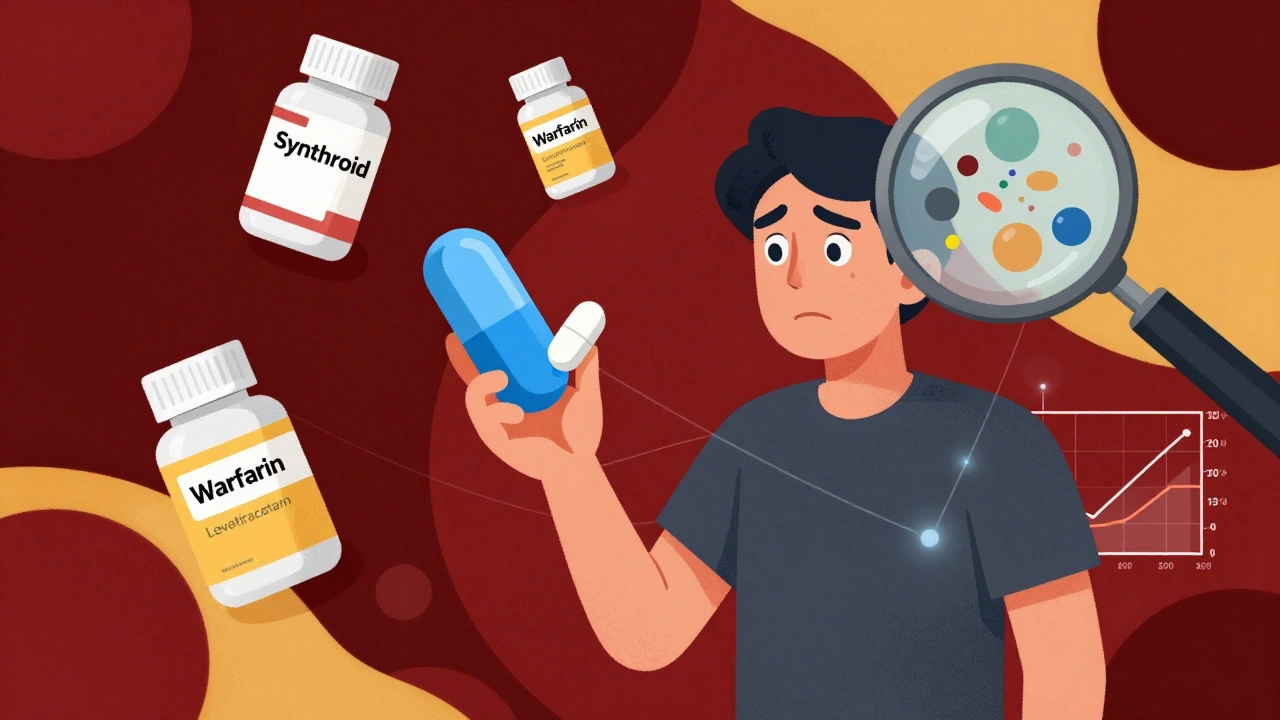
Switching from Brand to Generic Drugs: What to Expect in 2025
Switching from brand to generic drugs can save money, but it’s not always simple. Learn what to expect, when it’s safe, and how to protect yourself from side effects or reduced effectiveness.
Read more