
Meclizine: What It Is, How It Works, and What You Need to Know
When you feel like the room is spinning, or you get dizzy just getting in a car, meclizine, a first-generation antihistamine used to treat vertigo and motion sickness. Also known as Antivert, it works by calming the inner ear signals that trick your brain into thinking you’re off-balance. It’s one of the most prescribed pills for dizziness—not because it’s flashy, but because it just works for millions of people who can’t tolerate the side effects of stronger drugs.
Meclizine is part of a broader group of antihistamine drugs, medications originally developed for allergies but later found to affect the vestibular system. Unlike newer antihistamines like loratadine, meclizine crosses the blood-brain barrier, which is why it helps with nausea and dizziness—but also why it makes you sleepy. It’s often used alongside vertigo treatment, a category of care that includes physical therapy and lifestyle adjustments, not as a standalone fix. People with Meniere’s disease, inner ear infections, or motion sickness from travel commonly rely on it. But it’s not a cure. It’s a buffer—a way to buy time while your body recalibrates.
What you won’t find on the label is how often meclizine gets mixed up with other dizziness meds. Some patients take it with motion sickness medication, like dimenhydrinate or scopolamine patches, thinking more is better. That’s dangerous. Combining them increases drowsiness, confusion, and even falls in older adults. And while it’s available over the counter in lower doses, using it long-term without checking in with a doctor can mask something bigger—like a neurological issue or a heart rhythm problem.
It’s also not the same as a dizziness relief, a general term that includes everything from vestibular rehab to hydration. If you’ve been taking meclizine for weeks and still feel off, you’re not failing—you’re just not getting to the root cause. That’s where the real value of this collection comes in. Below, you’ll find practical guides on how to tell if your dizziness is from your inner ear, your meds, or something else entirely. You’ll learn how to spot when meclizine stops helping, what alternatives actually work, and how to avoid common mistakes like taking it with alcohol or sleeping pills. No fluff. Just what you need to know to use this pill safely—and when to stop using it altogether.
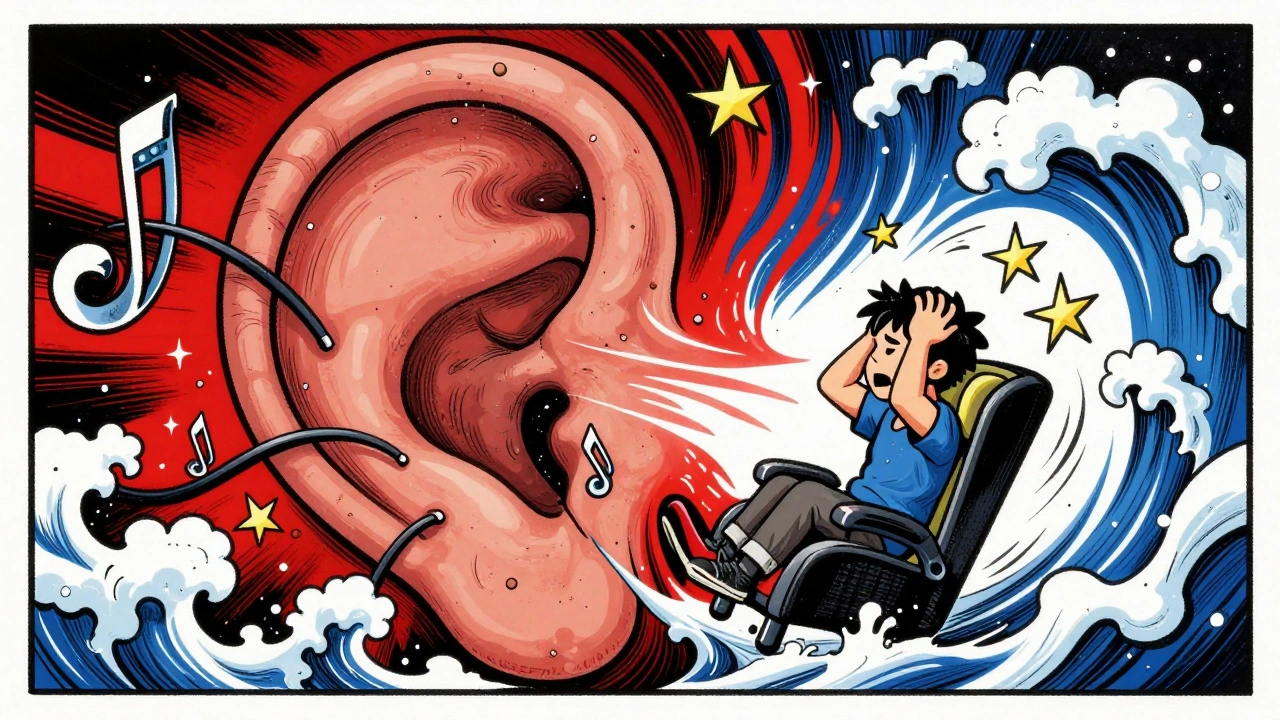
Meclizine: What It Is, How It Works, and When to Use It
Meclizine is a widely used over-the-counter medication for motion sickness and vertigo. It works by calming the inner ear and brain signals that cause dizziness and nausea. Learn how it works, who should use it, and when to seek other options.
Read more