
Lunesta and Alcohol: Risks, Side Effects, and What You Need to Know
When you take Lunesta, a prescription sleep medication used to treat insomnia, also known as eszopiclone, and drink alcohol, you’re not just making your sleep worse—you’re putting your life at risk. Lunesta works by slowing down your central nervous system to help you fall asleep. Alcohol does the same thing. Together, they don’t just add up—they multiply. This combination can cause extreme drowsiness, confusion, slowed breathing, and even respiratory failure. The FDA and multiple clinical studies warn against mixing these two, yet many people still do it, thinking one drink won’t hurt. It will.
CNS depressants, a class of drugs that slow brain activity, including sleep aids, anti-anxiety meds, and alcohol are especially dangerous when mixed. Lunesta is one of them. So is benzodiazepine, barbiturates, and even some muscle relaxers. Alcohol isn’t just a party drink—it’s a potent CNS depressant. When you combine it with Lunesta, your body loses the ability to regulate breathing properly. This isn’t theoretical. Emergency rooms see cases every year where people stopped breathing after mixing sleep meds and alcohol, even at normal doses. You don’t need to be drunk. Just one drink, taken close to your dose, can be enough to trigger a life-threatening drop in oxygen levels.
And it’s not just about breathing. Mixing Lunesta and alcohol increases your risk of memory blackouts, falls, accidents, and next-day dizziness that can last into the afternoon. Some people report feeling like they’re drunk without drinking—slurred speech, poor coordination, confusion. That’s not a side effect you can ignore. It’s your body screaming that something’s wrong. Even if you feel fine the next morning, your liver and brain are still cleaning up the mess. Over time, this combo can damage your cognitive function, worsen anxiety, and make your insomnia even harder to treat.
If you’re taking Lunesta, you need to treat alcohol like a hard no. Not "sometimes." Not "just on weekends." Not "one glass of wine." The label says it clearly. Your doctor says it clearly. And the science says it clearly. There’s no safe level of alcohol when you’re on Lunesta. If you struggle with sleep and also drink, talk to your doctor about alternatives. There are non-drug options—CBT-I for insomnia, better sleep hygiene, even melatonin in some cases—that won’t turn your bedroom into a danger zone.
Below, you’ll find real, practical guides on medication safety, interactions, and how to manage your prescriptions without putting your health at risk. From how to time your doses to what hidden ingredients can make things worse, these posts give you the tools to stay safe. You don’t need to guess. You don’t need to risk it. The answers are here.
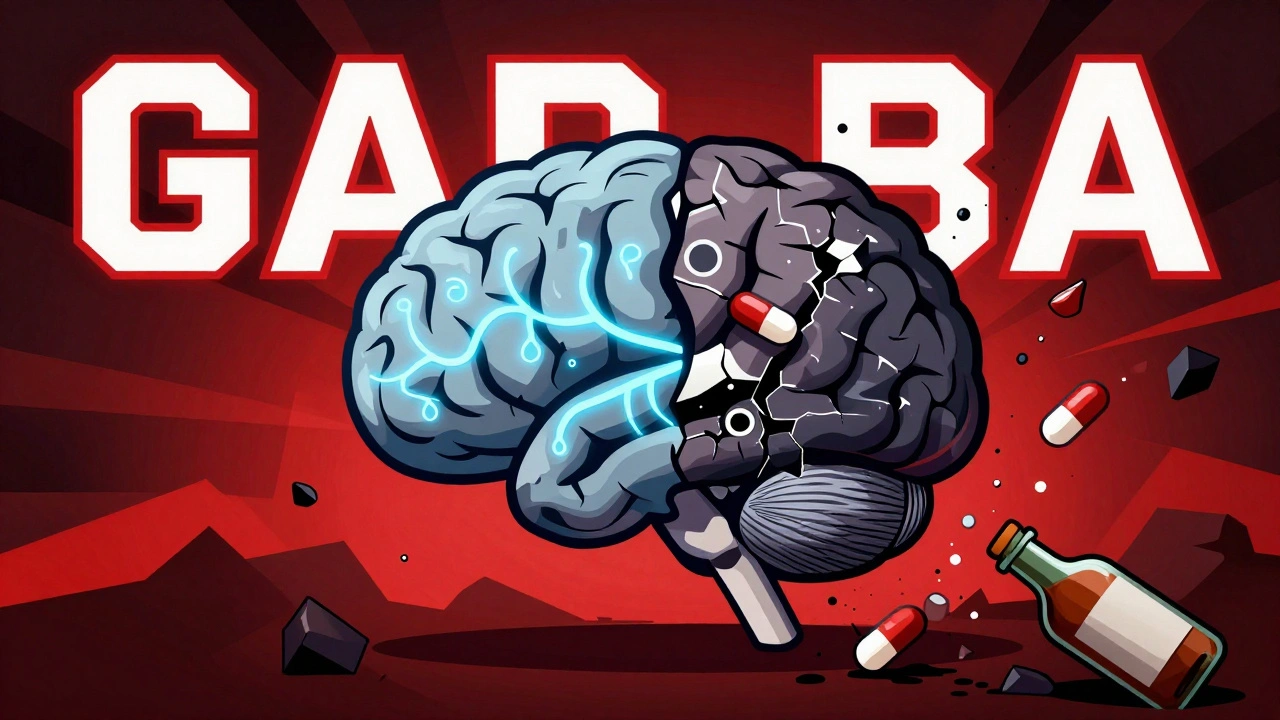
Alcohol and Sleep Medications: The Hidden Danger of Combined Sedation
Mixing alcohol with sleep medications like Ambien or Lunesta can cause dangerous sedation, breathing problems, and even death. No amount is safe. Here’s what you need to know to protect yourself.
Read more