
High Blood Pressure: Causes, Treatments, and Medications That Work
When your high blood pressure, a condition where force against artery walls is consistently too high, raising risk of heart attack and stroke. Also known as hypertension, it often has no symptoms but quietly damages your heart, kidneys, and blood vessels over time. It’s not just about numbers on a screen—it’s about what’s happening inside your body every single day.
Many people think high blood pressure is only treated with one type of pill, but that’s not true. Different people need different approaches. For example, if salt makes your blood pressure spike, a amiloride, a potassium-sparing diuretic that helps your kidneys remove excess sodium without losing too much potassium might be more helpful than a common water pill. Or if your body responds better to blocking certain hormones, a losartan, an ARB that relaxes blood vessels by stopping a hormone called angiotensin II from narrowing them could be the better fit. These aren’t just brand names—they’re tools chosen based on your body’s unique reaction to salt, stress, or other drugs.
High blood pressure doesn’t happen in isolation. It often ties into other issues like kidney function, diabetes, or even how you take other medications. That’s why mixing blood thinners with painkillers like ibuprofen can be dangerous—it doesn’t just raise your pressure, it increases bleeding risk. Or why statins, meant to protect your heart, can sometimes cause muscle damage if taken with the wrong other drugs. Managing your blood pressure means understanding these connections, not just popping pills.
You’ll find posts here that cut through the noise. No fluff. Just clear comparisons: how amiloride works for salt-sensitive cases, why losartan might be better than other blood pressure drugs for some people, and what side effects you might actually experience. We cover what works, what doesn’t, and why some meds are safer than others depending on your health history. Whether you’re newly diagnosed, tired of trial-and-error, or just trying to understand why your doctor picked a certain pill—this collection gives you the facts without the marketing.

Decongestants and Heart Disease: What You Need to Know About Blood Pressure and Heart Risks
Decongestants like pseudoephedrine and phenylephrine can raise blood pressure and trigger heart complications in people with heart disease. Learn the risks, safe alternatives, and what to do if you're already taking them.
Read more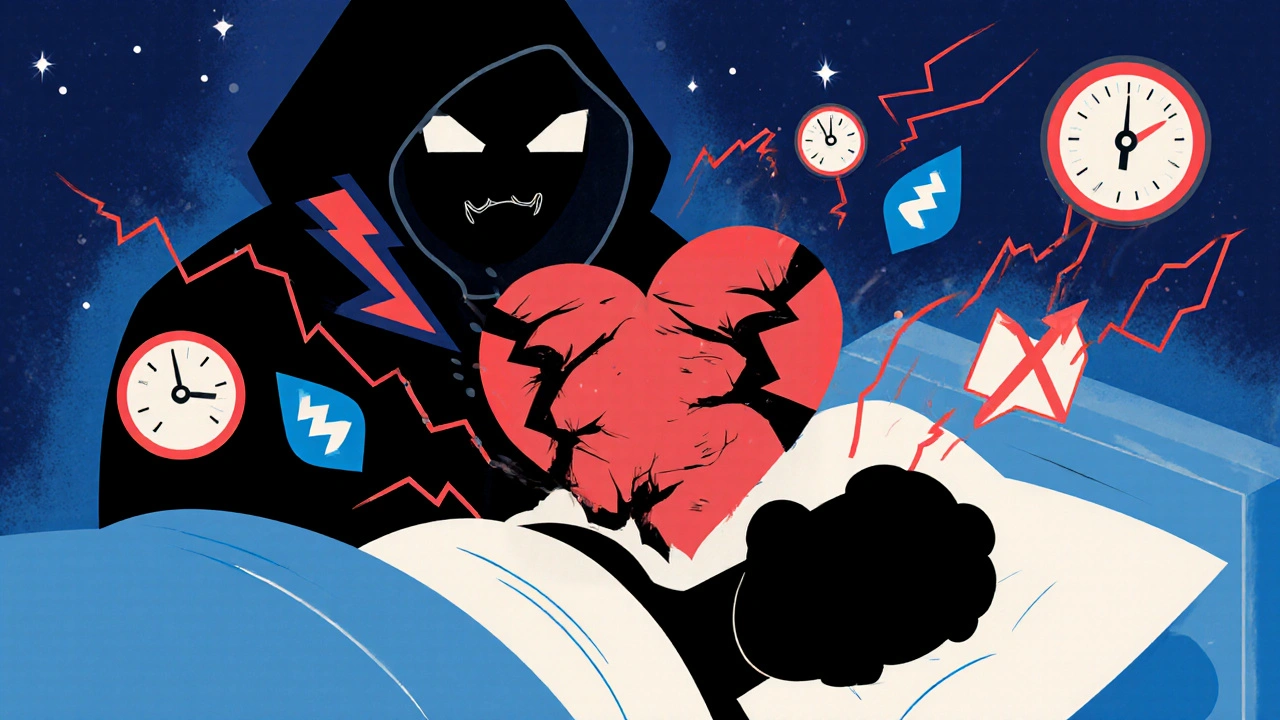
Sleep Apnea and Cardiovascular Risk: How Breathing Problems Raise Blood Pressure and Heart Disease Risk
Sleep apnea isn't just about snoring - it's a major driver of high blood pressure, heart attacks, and stroke. Learn how breathing pauses during sleep silently damage your cardiovascular system and what to do about it.
Read more