
H. pylori resistance: Why antibiotics fail and what to do next
When H. pylori, a bacterium that lives in the stomach and can cause ulcers and stomach cancer stops responding to common antibiotics, it’s not just a medical setback—it’s a growing crisis. This isn’t theoretical. Studies show more than 20% of H. pylori infections in the U.S. and up to 40% in parts of Europe no longer respond to clarithromycin, one of the most used drugs in standard treatment. That means millions of people are getting treated, but the infection keeps coming back. And when that happens, symptoms like bloating, nausea, and stomach pain don’t just linger—they can lead to serious complications.
What’s driving this? It’s not magic. It’s overuse. For years, doctors prescribed triple therapy, a standard combo of two antibiotics and a proton pump inhibitor as the go-to fix for H. pylori. But when patients didn’t finish their full course—or when antibiotics were used too freely for minor stomach issues—the bacteria adapted. Now, clarithromycin resistance, the main reason triple therapy fails is so common that guidelines in many countries no longer recommend it as first-line treatment. Even worse, resistance to metronidazole and levofloxacin is rising too. You can’t treat what you can’t kill, and the bugs are winning.
This isn’t just about pills. It’s about timing, testing, and personalization. If your H. pylori infection didn’t clear after treatment, you’re not alone—and you’re not failing. The system failed you. The good news? New approaches are working. Quadruple therapy with bismuth, sequential regimens, and even rifabutin-based treatments are showing success where older drugs fell short. And now, doctors can test for specific resistance patterns before prescribing, instead of guessing. You don’t need to suffer through repeated rounds of side effects—nausea, diarrhea, metallic taste—only to find out it didn’t work. There’s a smarter way.
The posts below cover everything you need to know: how resistance develops, why your last treatment didn’t work, what alternatives actually help, and how to talk to your doctor about testing and tailored plans. You’ll find real stories from people who beat resistant H. pylori, clear breakdowns of newer drug combos, and practical advice on avoiding mistakes that make resistance worse. No fluff. No jargon. Just what works when the usual options don’t.
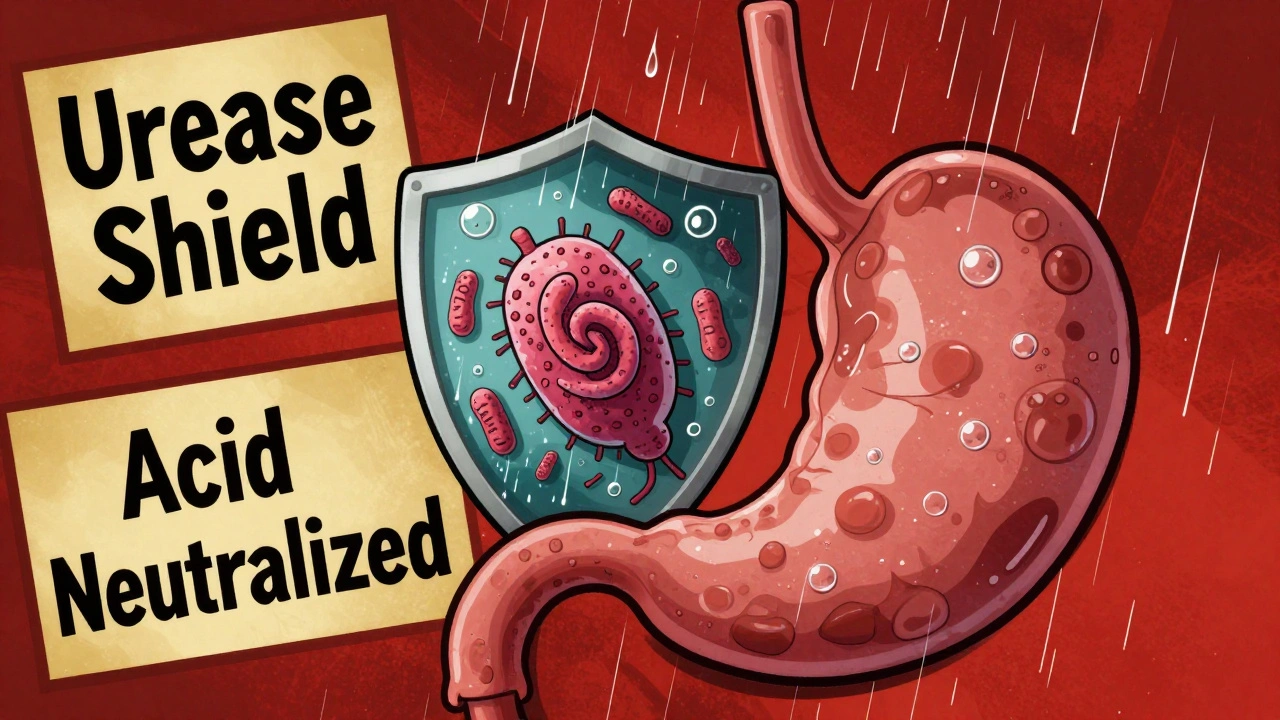
H. pylori Infection: How Testing and Quadruple Therapy Combat Rising Antibiotic Resistance
H. pylori infection is common and can cause ulcers and stomach cancer. Modern testing and quadruple therapy are now first-line due to rising antibiotic resistance. Learn which tests work best and how to ensure successful treatment.
Read more