
Generic Switching: What It Is, Why It Matters, and What You Need to Know
When you hear generic switching, the practice of replacing a brand-name drug with a chemically identical generic version. Also known as drug substitution, it's a routine part of modern healthcare designed to cut costs without sacrificing effectiveness. But here’s the thing: not all generics are created equal, and switching isn’t always as simple as swapping one pill for another.
Behind every generic drug is a complex approval process managed by the FDA, the U.S. agency that ensures drugs meet strict standards for safety and performance. Also known as U.S. Food and Drug Administration, it doesn’t just check if the active ingredient matches—it looks at how the drug is made, how it breaks down in your body, and whether small changes in manufacturing could change how you feel. That’s why a change in the filler material, coating, or release mechanism—even if the active drug stays the same—can trigger an FDA re-evaluation. These aren’t just bureaucratic hurdles. For someone on a tightrope of medication sensitivity, like with antidepressants or blood thinners, even a tiny shift in absorption can mean more side effects, less control, or worse outcomes.
That’s why medication safety, the practice of ensuring drugs work as intended without causing unexpected harm. Also known as drug safety, it’s not just about avoiding overdoses or bad reactions—it’s about consistency. Think about it: if you’ve been on a brand-name drug for years and your pharmacy switches you to a generic without telling you, you might not notice the difference. But if you’re one of the people who’s sensitive to formulation changes—like those taking extended-release pills for epilepsy, heart conditions, or mental health—you could end up with new symptoms, worse side effects, or even a medical crisis. The posts below dig into real cases: how QT prolongation risks change between citalopram and escitalopram, why switching statins can trigger muscle pain, and how even small differences in liquid dosing can lead to dangerous errors.
And it’s not just about the pills. It’s about the system. Patents delay generic availability even after they expire. Manufacturing changes stall approvals. Pharmacists substitute without patient consent. And doctors? Many don’t know the full story behind why a switch happened—or whether it’s safe for you. The collection here doesn’t just list problems. It gives you the questions to ask, the signs to watch for, and the science behind what’s really going on when your prescription changes.
Whether you’re managing depression, high blood pressure, migraines, or chronic pain, generic switching touches your life more than you think. The posts ahead break down exactly what to look for, when to push back, and how to make sure your treatment stays safe—even when the label changes.
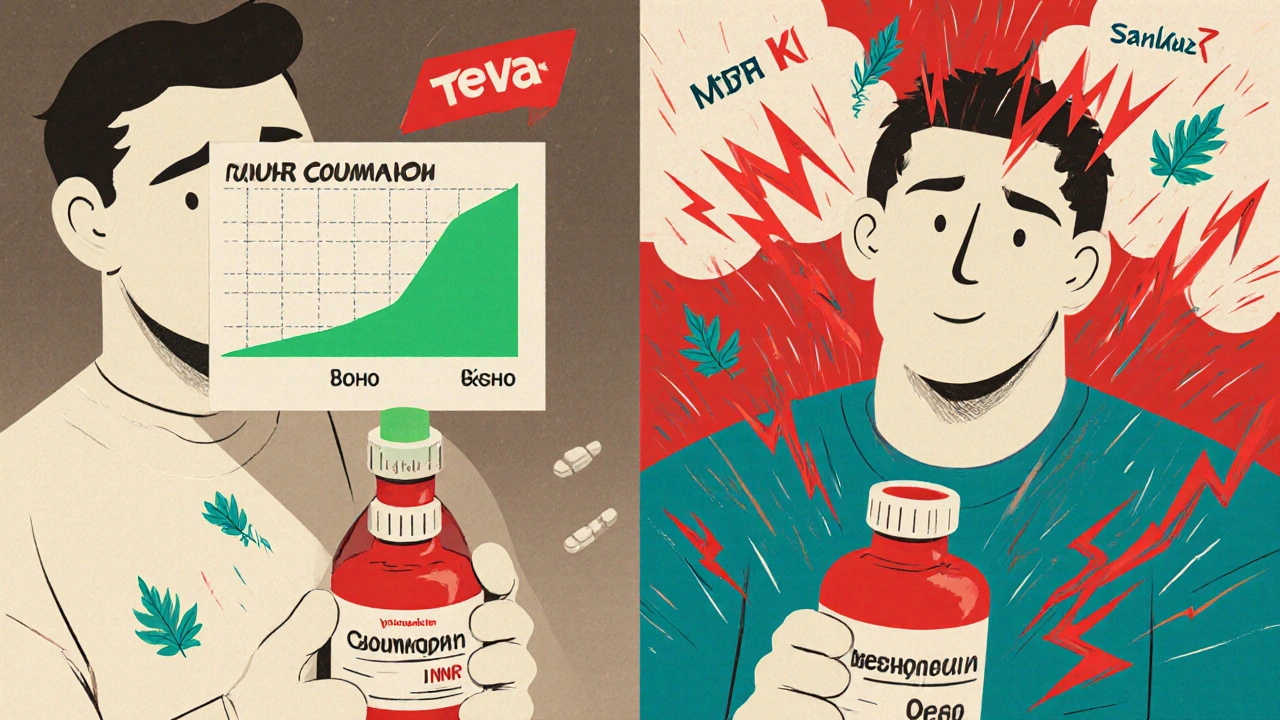
Warfarin and Generic Switching: What You Need to Know About INR Monitoring and Safety
Switching warfarin brands can affect your INR levels and safety. Learn why generic switching needs careful monitoring, how to stay stable, and when to consider newer alternatives.
Read more