
FDA Generic Approval: What It Means for Your Medication Costs and Safety
When you hear FDA generic approval, the official process by which the U.S. Food and Drug Administration confirms that a generic drug is therapeutically equivalent to its brand-name counterpart. Also known as ANDA approval, it's the gatekeeper between expensive brand-name pills and the cheaper versions you pick up at the pharmacy. This isn’t just bureaucracy—it’s what keeps your prescriptions affordable. Without it, you’d pay full price for drugs that have been around for decades, while manufacturers keep locking in profits with legal tricks.
Behind every approved generic is a strict set of requirements: same active ingredient, same strength, same dosage form, and same route of administration. But here’s what most people don’t know—ANDA approval, the application pathway generic manufacturers must follow to prove equivalence to the FDA—doesn’t require new clinical trials. Instead, they prove bioequivalence: that your body absorbs the generic drug at the same rate and to the same extent as the brand. That’s why a generic lisinopril works just as well as Zestril. But it’s not always simple. Some formulations—like extended-release tablets or complex inhalers—take years to get approved because the science gets harder. That’s why you might still see delays even after a patent expires.
The brand-name drugs, originally developed medications protected by patents and marketed under proprietary names aren’t better—they’re just more expensive. The difference? Marketing, packaging, and legal battles. Companies use strategies like patent evergreening or litigation to delay generic entry, sometimes for years. That’s why you might see a drug like Onglyza still priced high even though its patent expired. The FDA approves the generic, but the market doesn’t always move fast. And when it does, your savings can be massive—often 80% less than the brand.
Not all generics are created equal in perception, even if they’re identical in effect. Some patients swear their brand-name version works better. But that’s often the placebo effect—or a difference in inactive ingredients like fillers or dyes that change how the pill looks or tastes. The FDA doesn’t require those to match. If you’ve noticed a change in how you feel after switching, talk to your pharmacist. It’s not the active ingredient—it’s the formulation details.
And here’s the real kicker: FDA generic approval doesn’t cover every drug. Some complex biologics, like insulin or certain cancer drugs, don’t have true generics—they have biosimilars, which follow a different, slower approval path. That’s why you’ll still see high prices on some medications even today. But for the vast majority of pills you take—antibiotics, blood pressure meds, antidepressants—generic approval is your best friend.
What you’ll find in the posts below are real-world stories and deep dives into how this system affects you. From how patent delays block access to why some generic versions cause different side effects, to how to spot when a generic isn’t working for you—these aren’t theoretical discussions. They’re based on patient experiences, clinical data, and the hidden rules of drug approval that pharmacies and insurers won’t always tell you.
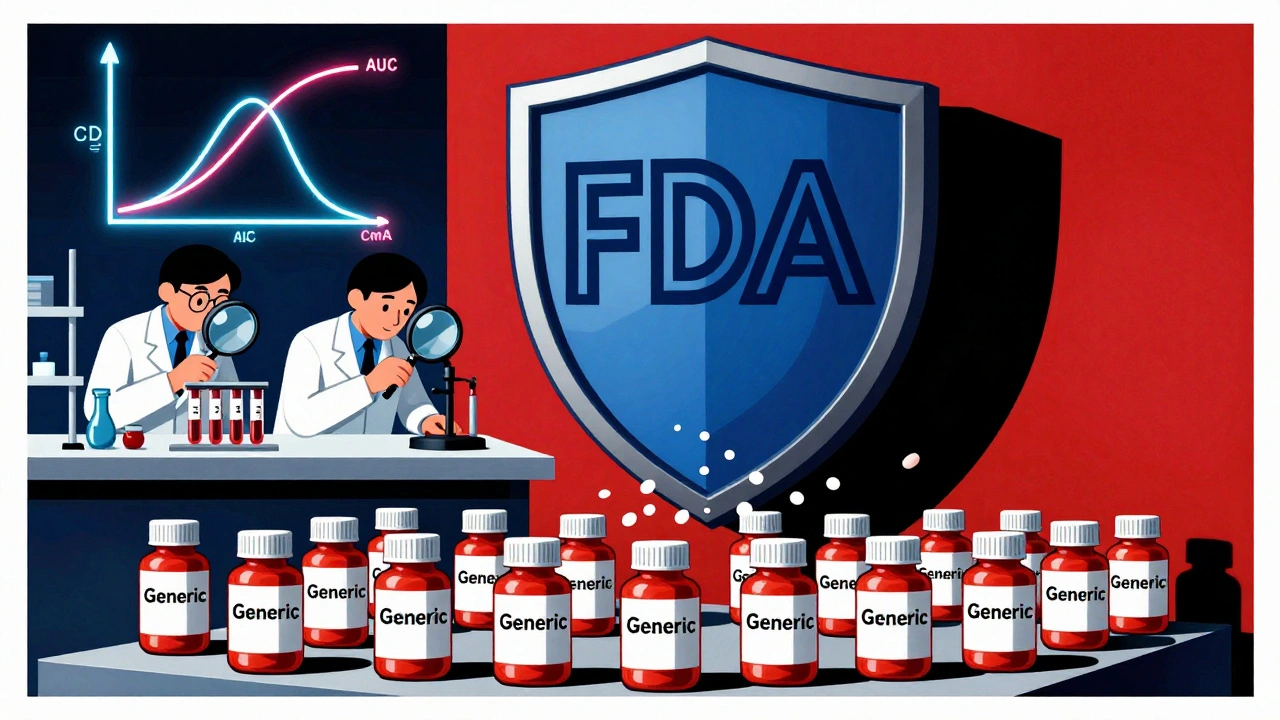
FDA Regulatory Authority: How the Agency Approves Generic Drugs
The FDA ensures generic drugs are safe and effective through the ANDA process, requiring bioequivalence to brand-name drugs. This system saves billions annually while maintaining strict quality standards.
Read more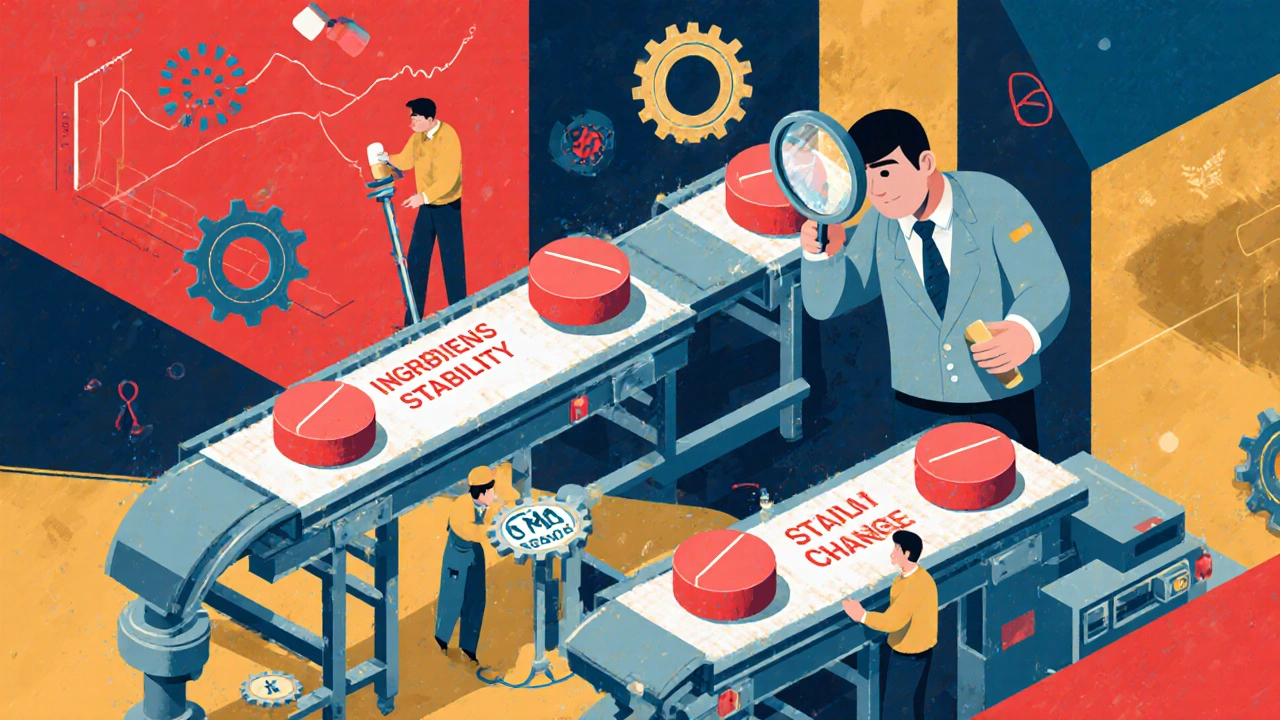
Manufacturing Changes and Generic Approval: What Triggers FDA Re-Evaluation
Learn what manufacturing changes trigger FDA re-evaluation for generic drugs, how the approval process works, and why delays happen - plus what’s changing in 2025 to speed things up.
Read more