
Dizziness Treatment: What Works, What Doesn't, and How to Stay Safe
When you feel like the room is spinning or you’re about to fall over, it’s not just annoying—it’s scary. dizziness treatment, the practical steps and medical approaches used to reduce or eliminate feelings of unsteadiness, lightheadedness, or spinning. Also known as vertigo management, it’s not one-size-fits-all. What works for someone with an inner ear problem might do nothing for someone whose dizziness comes from a medication side effect. The truth? Most people try home remedies or ignore it until it gets worse. But dizziness isn’t just "feeling off"—it’s often a signal from your body that something needs attention.
One major cause? inner ear balance, the system in your inner ear that helps your brain understand where your body is in space. When this system gets disrupted—by fluid buildup, crystals shifting, or inflammation—it sends wrong signals. That’s when you get the spinning feeling called benign paroxysmal positional vertigo. Another big one? medication side effects, unintended reactions to drugs that can include dizziness as a common symptom. Many blood pressure pills, antidepressants, and even antibiotics can throw off your balance. And if you’ve recently switched from a brand drug to a generic, or changed your dosage, that could be the trigger. You’re not imagining it—some people really do feel different on generics, even when the active ingredient is the same.
Then there’s the silent culprit: vestibular disorders, conditions affecting the nerves and structures that control balance. These aren’t always obvious. You might think you’re just getting older, but if you’ve had recurring dizziness for weeks, it’s worth checking. Some people get relief with simple head movements (like the Epley maneuver), others need physical therapy designed just for balance. And yes, some cases are linked to bigger issues—like high blood pressure, anxiety, or even early signs of neurological conditions. That’s why knowing the context matters. Did the dizziness start after a new medication? After a head injury? When you stood up too fast? Each clue points to a different path forward.
You won’t find magic cures here. No miracle supplements, no "instant fix" teas. What you will find are real stories and science-backed approaches from people who’ve been there. The posts below cover how certain drugs—like citalopram or warfarin—can cause dizziness, how formulation changes in pills can affect your balance, and why timing your meds matters more than you think. You’ll learn what to ask your doctor when dizziness won’t go away, how to tell if it’s your medication or something else, and what tests actually help. This isn’t about guessing. It’s about connecting the dots between what you’re feeling and what’s really going on inside your body.
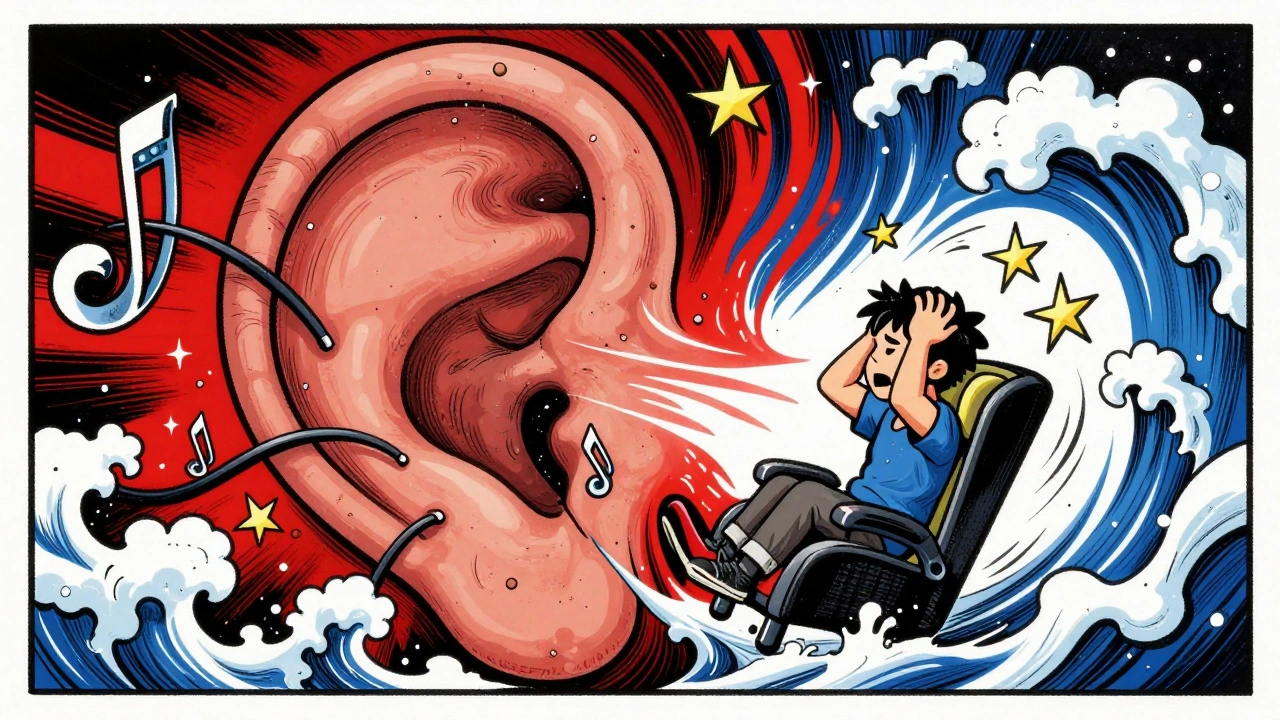
Meclizine: What It Is, How It Works, and When to Use It
Meclizine is a widely used over-the-counter medication for motion sickness and vertigo. It works by calming the inner ear and brain signals that cause dizziness and nausea. Learn how it works, who should use it, and when to seek other options.
Read more