
Alcohol and Sleep Meds: Risks, Interactions, and What You Need to Know
When you mix alcohol and sleep meds, a dangerous combination of central nervous system depressants that can suppress breathing, lower blood pressure, and cause unconsciousness. Also known as CNS depressant interactions, this pairing doesn’t just make you drowsy—it can land you in the hospital or worse. The problem isn’t just heavy drinking. Even one drink with a prescription sleep aid like zolpidem, benzodiazepines, or trazodone can multiply the risk of overdose. The FDA has issued black box warnings for several sleep medications because of this exact danger.
These drugs work by slowing brain activity to help you fall asleep. Alcohol does the same thing—only faster and less predictably. Together, they don’t just add up; they multiply. A 2022 study in the Journal of Clinical Sleep Medicine found that people who drank alcohol while taking sleep meds were over three times more likely to experience respiratory depression during sleep. That’s not a side effect you can ignore—it’s a silent killer. And it’s not just about opioids or barbiturates. Even over-the-counter sleep aids containing diphenhydramine or doxylamine become risky when mixed with alcohol. Your liver can’t process both at once, so the drugs stay in your system longer, increasing dizziness, confusion, and the chance of falling or choking.
Some people think they’re being smart by having a glass of wine to help them sleep, especially if they’re already on a sleep med. But that’s like stepping on the gas and the brake at the same time. The result isn’t better sleep—it’s broken sleep, memory gaps, and a higher chance of addiction. If you’re using sleep meds long-term, alcohol can make your body rely on both to function, making withdrawal harder and more dangerous. And if you’re older, have liver problems, or take other meds like antidepressants or painkillers, the risk shoots up even more.
What you can do is simpler than you think. Talk to your doctor about non-drug options like CBT-I (cognitive behavioral therapy for insomnia), which studies show works better than pills over time. If you must take sleep meds, keep alcohol out of the equation entirely—even on weekends. And if you’re already mixing them, don’t stop cold turkey without medical help. Sudden withdrawal from either can trigger seizures or severe rebound insomnia.
Below, you’ll find real-world guides on how to spot dangerous drug interactions, how to manage sleep meds safely, and what to do if you’ve been combining them without knowing the risks. These aren’t theoretical warnings—they’re lessons from people who lived through the consequences and came out the other side.
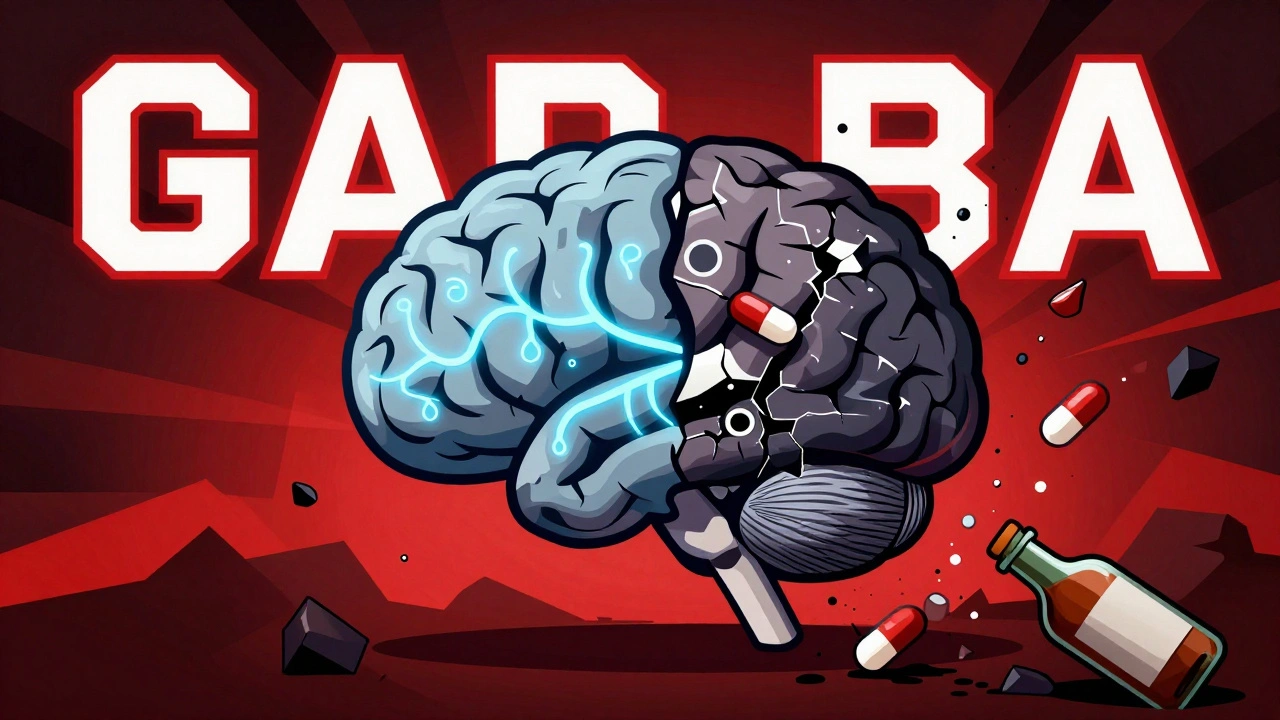
Alcohol and Sleep Medications: The Hidden Danger of Combined Sedation
Mixing alcohol with sleep medications like Ambien or Lunesta can cause dangerous sedation, breathing problems, and even death. No amount is safe. Here’s what you need to know to protect yourself.
Read more