
Urea Breath Test: What It Is and How It Detects H. pylori Infection
When your doctor suspects a stomach infection, they might recommend a urea breath test, a non-invasive diagnostic procedure used to detect the presence of Helicobacter pylori bacteria in the stomach. Also known as the H. pylori breath test, it’s one of the most accurate ways to find out if this stubborn bacterium is causing ulcers, bloating, or chronic indigestion. Unlike blood tests that show past exposure, this test tells you if the bacteria are active right now—making it perfect for checking if treatment worked or if you need to start it.
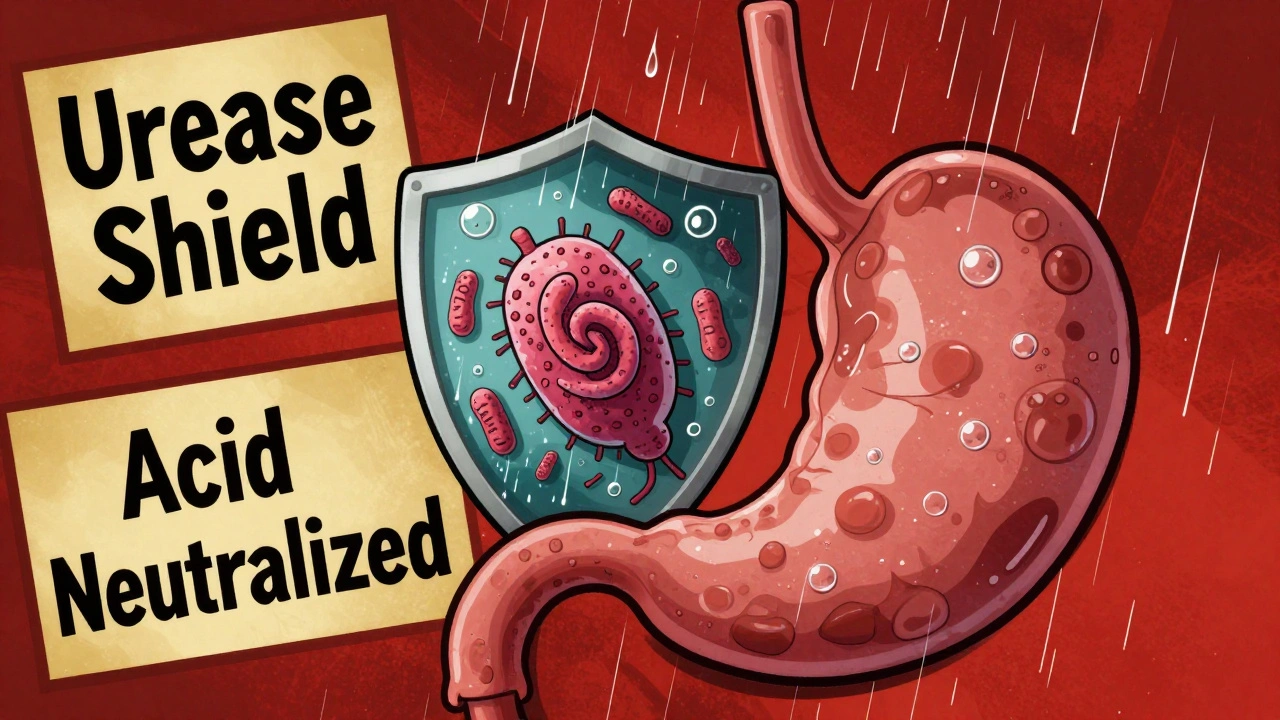
The H. pylori, a spiral-shaped bacterium that lives in the stomach lining and is linked to peptic ulcers and stomach cancer doesn’t just cause discomfort—it can silently damage your digestive system for years. The urea breath test works because this bacteria breaks down urea, a harmless compound, into carbon dioxide. You drink a special solution containing labeled urea, then breathe into a bag. If H. pylori is present, it converts the urea into carbon dioxide that your body exhales. The lab detects the labeled gas, confirming the infection. It’s fast, painless, and doesn’t require an endoscope.
Doctors rely on this test because it’s reliable, quick, and safe for most people—including those who can’t handle invasive procedures. It’s often used after antibiotic treatment to make sure the bacteria are gone. If your symptoms return after treatment, this is usually the first test they’ll order. You don’t need to fast for long, but you’ll need to stop certain medications like antibiotics or PPIs for a while beforehand. Your doctor will give you exact instructions—following them matters.
While the urea breath test is focused on H. pylori, it’s part of a bigger picture in digestive health. Other tests like stool antigen tests or endoscopies might be used alongside it, especially if there are warning signs like weight loss or bleeding. But for routine checking, this breath test is the go-to. It’s the kind of simple tool that saves people from years of unnecessary discomfort and more invasive procedures.
Below, you’ll find real guides on how medications interact with your digestive system, how to recognize when something’s off, and what to ask your doctor when test results come back. Whether you’re managing ulcers, dealing with reflux, or just trying to understand why your stomach feels off, these posts give you the facts without the fluff.
H. pylori Infection: How Testing and Quadruple Therapy Combat Rising Antibiotic Resistance
H. pylori infection is common and can cause ulcers and stomach cancer. Modern testing and quadruple therapy are now first-line due to rising antibiotic resistance. Learn which tests work best and how to ensure successful treatment.
Read more