
Travel Letter for Prescriptions: What You Need to Know Before You Go
When you’re flying with prescription meds, a travel letter for prescriptions, a signed note from your doctor explaining your medications, dosage, and medical need. Also known as a medication travel letter, it’s not just paperwork—it’s your insurance against delays, confiscation, or questions at security or customs. Many travelers don’t realize that even common drugs like opioids, ADHD meds, or high-dose painkillers can trigger alarms abroad. Countries like Japan, the UAE, and Australia have strict rules, and a simple letter can save you from a nightmare at the border.
A travel letter for prescriptions, a signed note from your doctor explaining your medications, dosage, and medical need. Also known as a medication travel letter, it’s not just paperwork—it’s your insurance against delays, confiscation, or questions at security or customs. Many travelers don’t realize that even common drugs like opioids, ADHD meds, or high-dose painkillers can trigger alarms abroad. Countries like Japan, the UAE, and Australia have strict rules, and a simple letter can save you from a nightmare at the border.
You don’t need a fancy template. Your doctor just needs to include: your full name, the drug names (generic and brand), dosages, frequency, reason for use, and their contact info. Some countries require the letter on official letterhead with a stamped signature. Always carry the original, plus a digital copy saved on your phone and email. Don’t rely on pharmacy printouts—they don’t count. And never pack meds in checked luggage. TSA and international customs can inspect carry-ons faster than you can say "I forgot my letter."
Related to this are backup prescriptions, extra copies of your meds or refill authorizations to prevent running out while traveling, and digital prescription copies, secure, accessible electronic versions of your prescriptions stored via pharmacy apps or health portals. These aren’t replacements for the letter, but they’re your safety net. If your meds get lost, a digital copy lets your doctor fax a new prescription anywhere. If you’re asked to prove your meds are legitimate, a photo of the letter on your phone beats scrambling through your bag.
And here’s the real issue: not all doctors know to write these. Some think a prescription label is enough. It’s not. Others charge extra or refuse. If your doctor won’t help, ask for a referral to a clinic that handles travel medicine. Pharmacies like CVS MinuteClinic or Walgreens Health Clinics often provide these letters for a small fee. You’re not asking for a favor—you’re asking for a legal requirement.
Don’t wait until your flight. Start this at least two weeks before you leave. Some countries require the letter to be notarized or translated. Others need it in English only. Check the embassy website of your destination. And if you’re taking controlled substances—like Adderall, Xanax, or oxycodone—double-check their status. In some places, even a small amount is illegal without special permits. A travel letter for prescriptions won’t make everything legal, but it will show you’re not smuggling. It shows you’re prepared.
Below, you’ll find real guides on how to carry meds safely while traveling—how to store them, what to do if they’re seized, how to get refills abroad, and why your digital copy matters more than you think. These aren’t theoretical tips. They’re from people who’ve been stopped, questioned, and had meds taken away. Learn from their mistakes before you’re in their shoes.
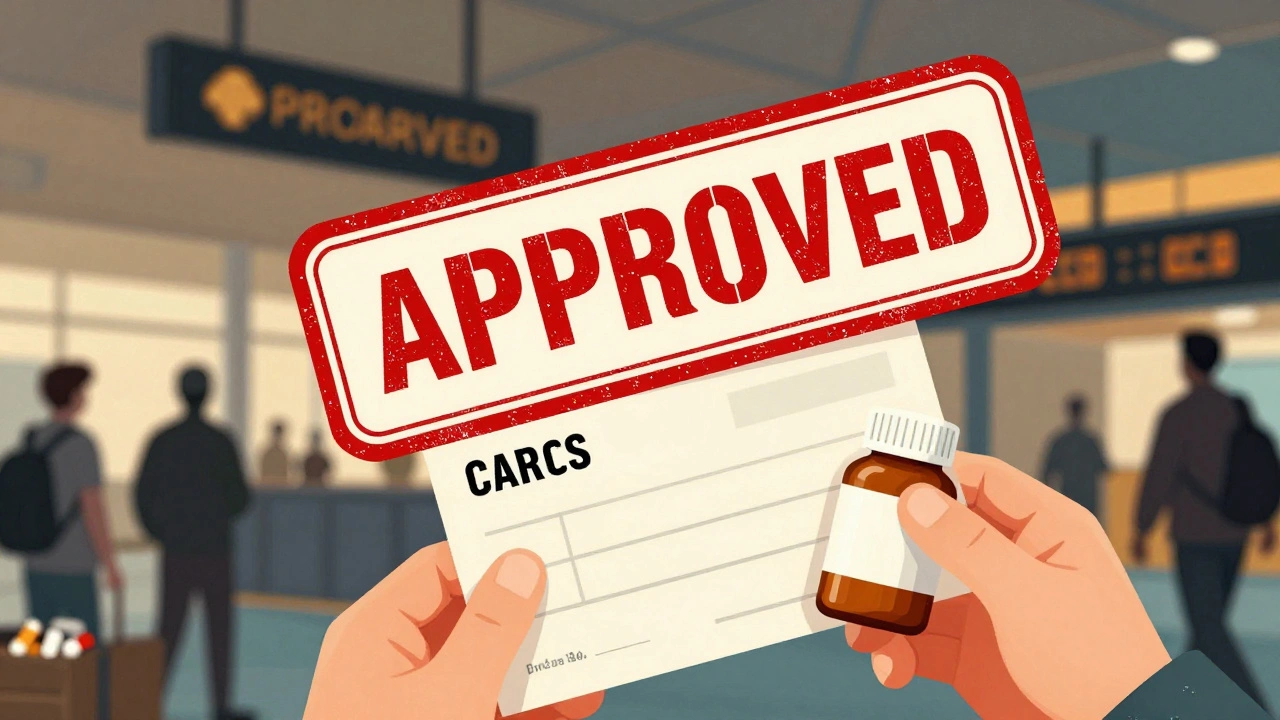
Travel Letters for Controlled Medications: Airport and Customs Tips
Learn how to travel safely with controlled medications. Avoid confiscation, delays, and legal trouble with doctor’s letters, original packaging, and country-specific rules for 2025.
Read more