
Stroke Risk: What Increases It and How to Reduce It
When we talk about stroke risk, the chance of a sudden disruption in blood flow to the brain that can cause lasting damage or death. Also known as cerebrovascular accident, it’s not just something that happens to older people—it’s often the quiet result of long-term health habits and hidden conditions. The biggest driver isn’t age alone. It’s what’s happening inside your body every day: your blood pressure, how well you breathe at night, and even the mix of medications you take.
High blood pressure, a silent condition that strains artery walls and makes clots more likely is the #1 contributor to stroke risk. It doesn’t always cause symptoms, but over time, it weakens vessels in the brain. Then there’s sleep apnea, a breathing disorder that causes repeated pauses during sleep. It’s not just about snoring—it drops oxygen levels, spikes blood pressure, and inflames blood vessels, all of which push you closer to a stroke. And here’s something most people don’t realize: combining blood thinners, medications that prevent clots but can increase bleeding if misused with common painkillers like ibuprofen can double or triple your bleeding risk, which can trigger a hemorrhagic stroke.
These aren’t isolated issues. They connect. Poor sleep from apnea worsens blood pressure. High blood pressure makes your heart work harder, raising the chance of clots. And if you’re on a blood thinner for atrial fibrillation or a past clot, taking the wrong OTC drug can undo all your protection. It’s not about fear—it’s about awareness. You don’t need to be perfect. You just need to know the real triggers and how to spot them early.
The posts below cover exactly this: how medications, breathing problems, and everyday choices shape your stroke risk. You’ll find clear breakdowns of what raises your chances, what to watch for, and what you can actually do to lower it—without jargon or guesswork. Whether you’re managing blood pressure, dealing with sleep issues, or taking multiple drugs, there’s something here that applies to you.
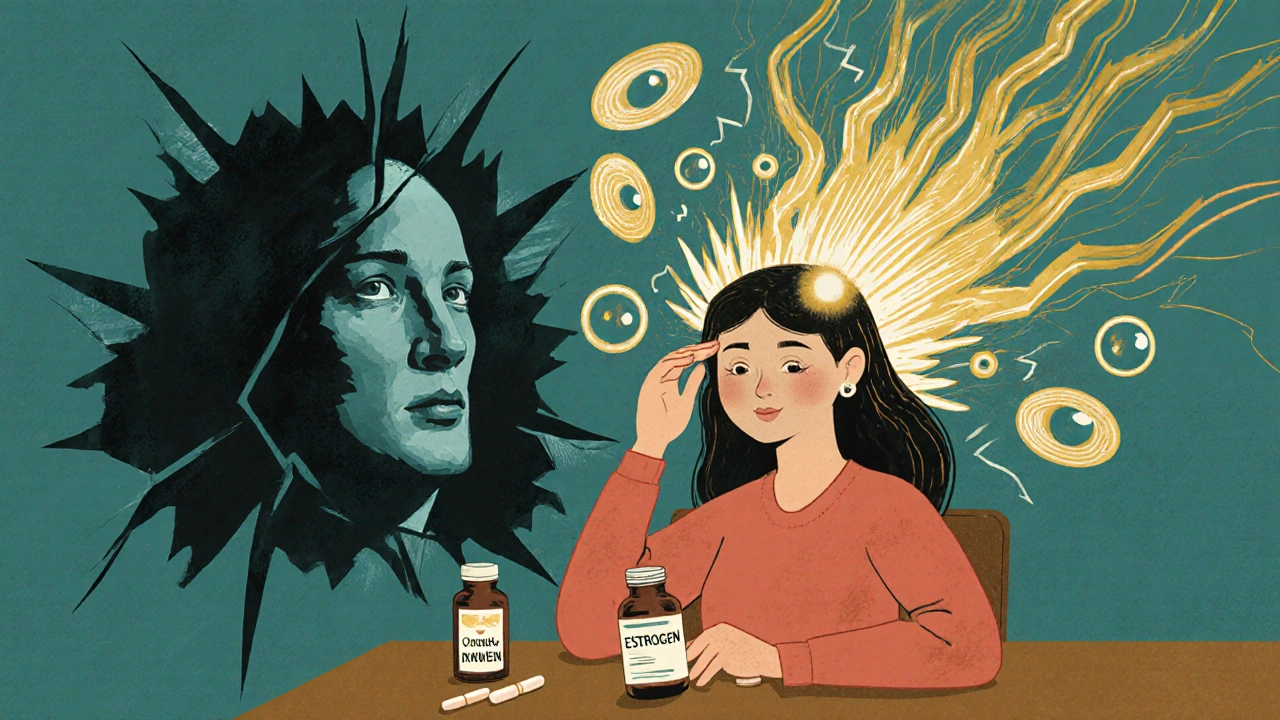
Migraine with Aura and Estrogen Birth Control: What You Need to Know About Stroke Risk
Migraine with aura increases stroke risk when combined with estrogen birth control. Learn the real numbers, why guidelines are changing, and what safer contraceptive options actually work.
Read more