
OTC Drug Misuse: What You Need to Know About Over-the-Counter Medication Risks
When you think of drug abuse, you probably imagine illegal substances — not the bottle of painkillers in your medicine cabinet. But OTC drug misuse, the non-medical use of medications sold without a prescription. Also known as over-the-counter medication abuse, it’s a quiet crisis affecting millions who don’t realize they’re in danger. Drugs like cough syrups with dextromethorphan, sleep aids with diphenhydramine, and high-dose pain relievers like ibuprofen or acetaminophen are easy to get, cheap, and often seen as harmless. But taking them more than directed, mixing them with alcohol, or using them to get high isn’t just risky — it can be deadly.
People start using OTC drugs for all kinds of reasons: to sleep better, to numb emotional pain, to stay awake longer, or to chase a buzz. What begins as occasional use can turn into dependence fast. Studies show that teens and older adults are especially vulnerable — teens because they think it’s safe, older adults because they’re often on multiple meds and don’t realize the interactions. The painkiller dependence, a growing pattern of overusing OTC analgesics like acetaminophen and NSAIDs can lead to liver failure, stomach bleeding, or kidney damage. Meanwhile, medication abuse, the intentional misuse of OTC products for psychoactive effects — like swallowing dozens of antihistamines to hallucinate — is rising in emergency rooms.
And it’s not just about the drug itself. Mixing OTC meds with prescription drugs — like taking sleep aids with antidepressants — can trigger serotonin syndrome or dangerously low blood pressure. Even using expired inhalers or old pain patches (topics covered in our posts) can lead to unpredictable reactions. Many don’t know that some OTC drugs have the same active ingredients as controlled substances — just in lower doses. That doesn’t make them safe when abused.
What you’ll find in the posts below isn’t a list of warnings — it’s a practical guide to what’s really happening. You’ll see how people end up stuck with OTC drug dependence, how common interactions with statins or diabetes meds make things worse, and how even something as simple as an expired eye drop can become part of a larger pattern of unsafe behavior. We break down real cases, hidden risks, and what to do if you or someone you know is crossing the line from use to misuse. No scare tactics. Just facts, clear signs to watch for, and steps to get help before it’s too late.
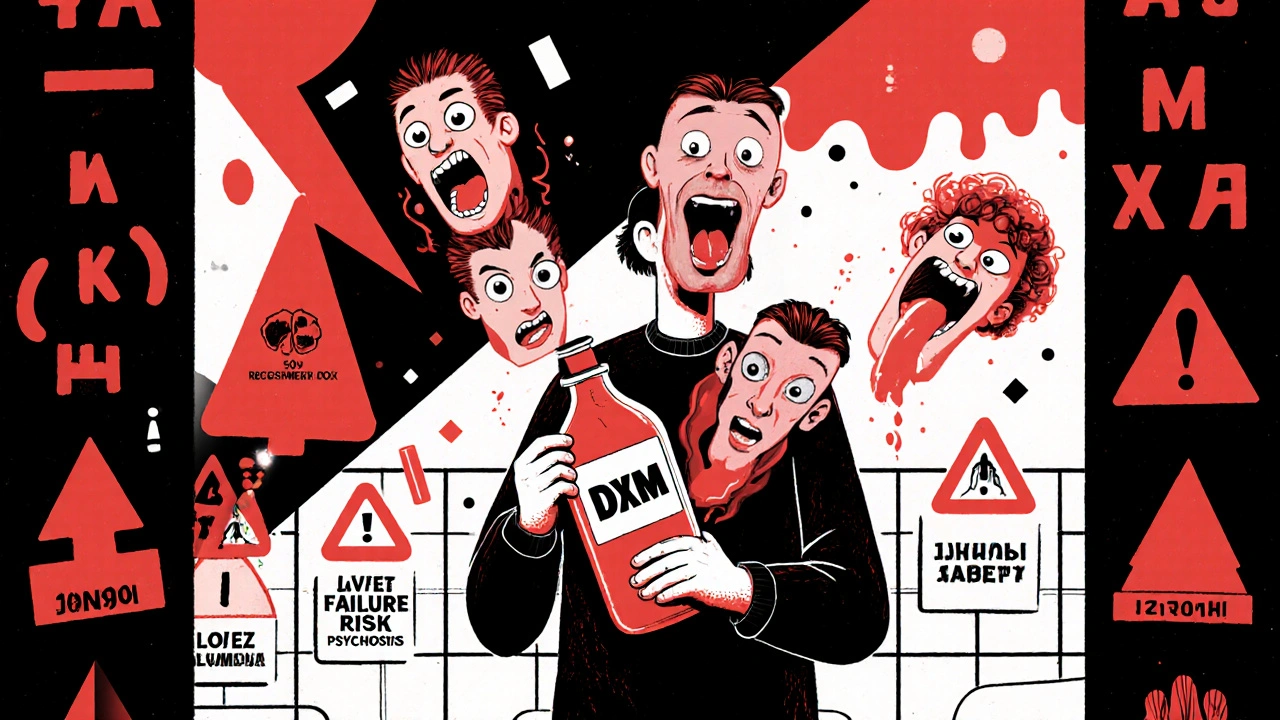
Signs You’re Misusing Over-the-Counter Drugs and What to Do
OTC drug misuse is more common and dangerous than you think. Learn the physical, behavioral, and psychological signs of abusing cough syrup and other over-the-counter meds - and what steps to take if you or someone you know is at risk.
Read more