
Noise Exposure Limits: What You Need to Know About Safe Sound Levels
When we talk about noise exposure limits, the maximum safe levels of sound you can be exposed to over time without risking hearing damage. Also known as sound exposure thresholds, these limits are set by health agencies to prevent permanent hearing loss from everyday work and environmental noise. It’s not just about loud concerts or jackhammers — even routine office environments, construction sites, or factory floors can push you past safe levels if you’re not paying attention.
Occupational hearing loss, the most common work-related illness in the U.S. and many other countries happens slowly, often without pain or warning. The decibel levels, the scientific unit used to measure sound intensity that trigger damage start lower than most people think. At 85 decibels — about the noise of heavy traffic or a lawnmower — exposure over eight hours a day is considered the upper limit. Every 3-decibel increase cuts that safe time in half. So at 88 dB, you’re only safe for four hours. At 91 dB, just two. And at 100 dB — like a chainsaw or motorcycle — you’re at risk after just 15 minutes. These aren’t theoretical numbers. They’re based on decades of workplace studies and real-world hearing tests.
Hearing protection, earplugs, earmuffs, and other devices designed to reduce sound reaching the inner ear isn’t optional in high-noise jobs — it’s mandatory. But not all protection is equal. A cheap foam plug might drop sound by 20 decibels, while a properly fitted custom mold can do 30 or more. The key isn’t just wearing something — it’s wearing the right thing, the right way, every time. Many workers skip protection because they think they’re "used to" the noise. That’s a dangerous myth. Your ears don’t adapt — they just stop sending signals until it’s too late.
These limits matter whether you’re a factory worker, a musician, a construction foreman, or someone who uses power tools on weekends. The same science applies. If you’re regularly around loud machinery, loud music, or even noisy power tools, you’re exposed. And the damage adds up over years — not days. That’s why the posts below cover everything from how to measure your own noise exposure to which hearing protectors actually work, how regulations vary by country, and what signs you’re already losing hearing — before you can’t hear your own name being called.
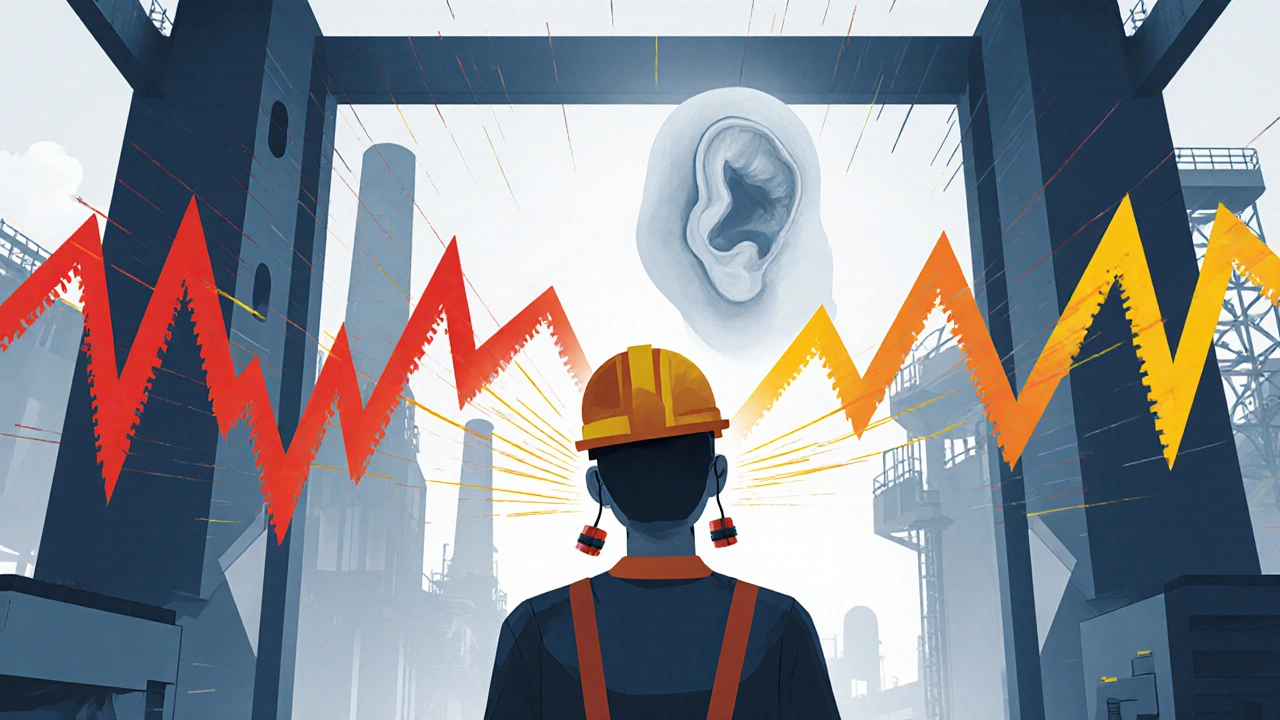
Noise Exposure Limits: How to Protect Your Hearing at Work and Concerts
Learn how noise exposure limits protect your hearing at work and concerts. Understand safe noise levels, why standards differ, and how to prevent permanent hearing loss with practical steps you can take today.
Read more