
Migraine with Aura: Causes, Triggers, and Medications That Work
When you see flashing lights, blind spots, or tingling in your fingers before a headache hits, you're not imagining it—you're experiencing migraine with aura, a neurological condition where brain activity changes trigger sensory disturbances before or during a migraine attack. Also known as classic migraine, it affects about 25% of people who get migraines and isn't just "worse pain"—it's a distinct event with its own risks and treatment needs.
Migraine with aura often starts with visual symptoms like zigzag lines, flickering lights, or temporary blindness in one eye. Some people feel numbness on one side of the face or hand, or even trouble speaking clearly. These symptoms usually last 5 to 60 minutes and come before the headache, though sometimes they happen at the same time. The headache itself is often throbbing, one-sided, and made worse by light, sound, or movement. What’s less talked about is how easily this condition gets confused with stroke or seizures—especially if you’ve never had it before. That’s why knowing your aura pattern matters. If your symptoms change suddenly—like new weakness or confusion—you need to see a doctor right away.
Common triggers include stress, skipped meals, lack of sleep, strong smells, and hormonal shifts—especially around menstruation. But one of the biggest culprits is triptans, a class of migraine medications that constrict blood vessels and block pain pathways. While triptans work well for many, they’re not safe for everyone. If you have heart disease, uncontrolled high blood pressure, or a history of stroke, using them can be dangerous. And mixing them with certain antidepressants like SSRIs or SNRIs can trigger serotonin syndrome, a rare but life-threatening reaction from too much serotonin in the brain. Also known as serotonin toxicity, it causes confusion, rapid heart rate, high fever, and muscle rigidity.
Not all migraines respond to triptans. Some people need preventive meds like beta-blockers, anti-seizure drugs, or CGRP inhibitors. Others find relief with lifestyle changes: keeping a consistent sleep schedule, avoiding known triggers, or using magnesium or riboflavin supplements. The key is personalization—what works for your neighbor might not work for you. That’s why tracking your attacks matters. Note what you ate, how much you slept, your stress level, and what you took when the aura started. Patterns emerge over time.
There’s also growing evidence that aura isn’t just a warning sign—it might be a sign of increased stroke risk, especially in women under 45 who smoke or take birth control pills. That’s why doctors often recommend avoiding estrogen-based contraceptives if you have migraine with aura. It’s not a blanket rule, but it’s something to discuss with your provider.
Below, you’ll find real, practical guides on how migraine medications work, what interactions to avoid, why some treatments fail, and how to spot when something’s more serious than a headache. These aren’t theory pieces—they’re based on patient experiences, clinical data, and what actually happens in real life when you’re trying to manage this condition day after day.
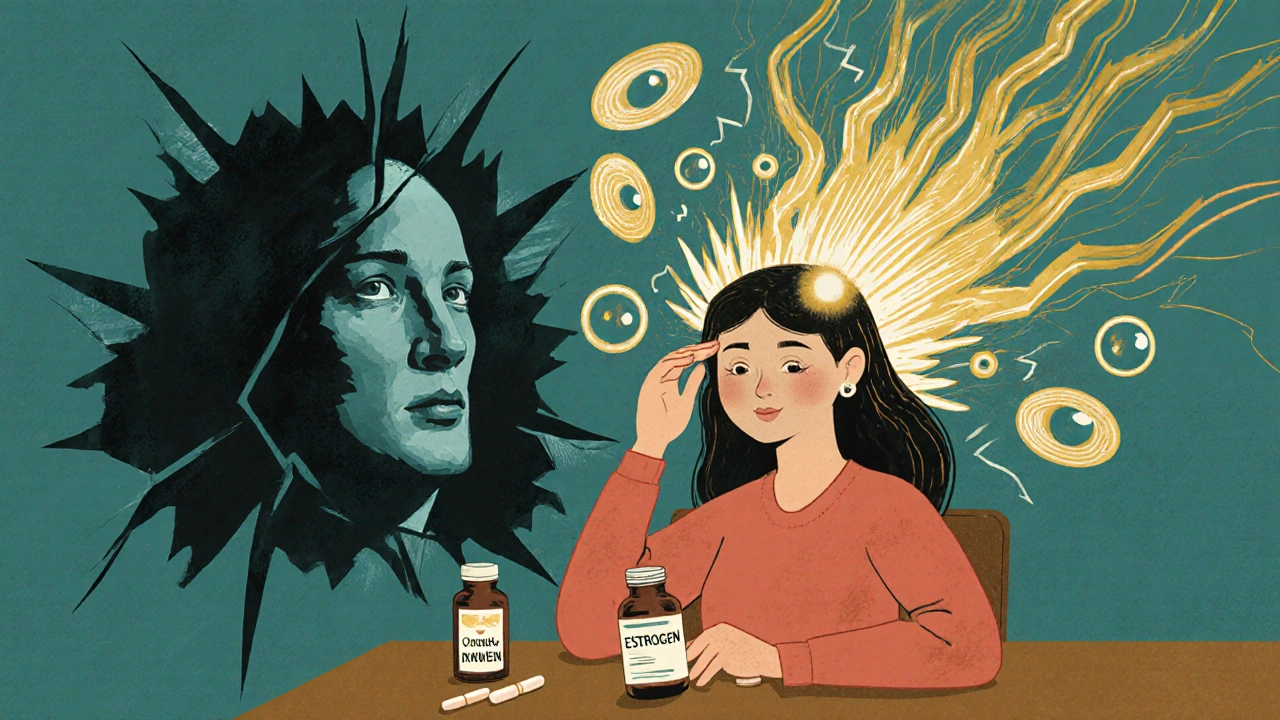
Migraine with Aura and Estrogen Birth Control: What You Need to Know About Stroke Risk
Migraine with aura increases stroke risk when combined with estrogen birth control. Learn the real numbers, why guidelines are changing, and what safer contraceptive options actually work.
Read more