
High-Risk Medications: What You Need to Know Before Taking Them
When we talk about high-risk medications, drugs that carry serious side effects or dangerous interactions even when taken as prescribed. Also known as dangerous drugs, these are not necessarily illegal or experimental—they’re often FDA-approved and widely prescribed, but they demand caution. Think of blood thinners, opioids, statins, or certain antidepressants. They work well for many people, but one wrong dose, one missed warning, or one bad interaction can turn them into a threat.
These medications don’t just affect you alone. They interact with other drugs you might be taking, with your age, your kidney or liver function, even what you eat. For example, combining blood thinners, medications that prevent dangerous clots but increase bleeding risk with common painkillers like ibuprofen can lead to internal bleeding. Or take respiratory depression, a life-threatening drop in breathing caused by opioids or sedatives—it doesn’t always come with loud signs. Sometimes, it’s just slower breathing while you sleep, and by the time someone notices, it’s too late. That’s why knowing your exact dosage, recognizing early warning signs, and understanding what not to mix with your meds isn’t optional—it’s survival.
It’s not just about the drug itself. It’s about how it’s made. Extended-release pills can reduce side effects—but crush them, and you get a full dose all at once. Liquid meds need precise measuring; a kitchen spoon can give you twice the dose. Even expired inhalers or eye drops can become risky if you’re not careful. And if you’re on statins, certain antibiotics or grapefruit juice can trigger dangerous muscle damage. These aren’t rare cases. They happen every day because people don’t know what to watch for.
There’s no single list of "bad" drugs. What makes a medication high-risk is how it’s used, who’s using it, and what else is in their system. The same pill that helps one person manage pain or lower cholesterol could put another in the hospital. That’s why knowing your own health picture matters more than any general warning. If you’re taking more than one prescription, if you’re over 65, if you have kidney or liver issues—you’re in a higher risk group. And that means asking more questions, not fewer.
Below, you’ll find real, practical guides on the most common high-risk medications people take—and the hidden dangers they might not realize they’re facing. From opioid breathing risks to statin interactions, from dangerous drug combos to how to measure liquid doses safely, these posts give you the facts you need to avoid harm. No fluff. No jargon. Just what you need to know to stay safe.
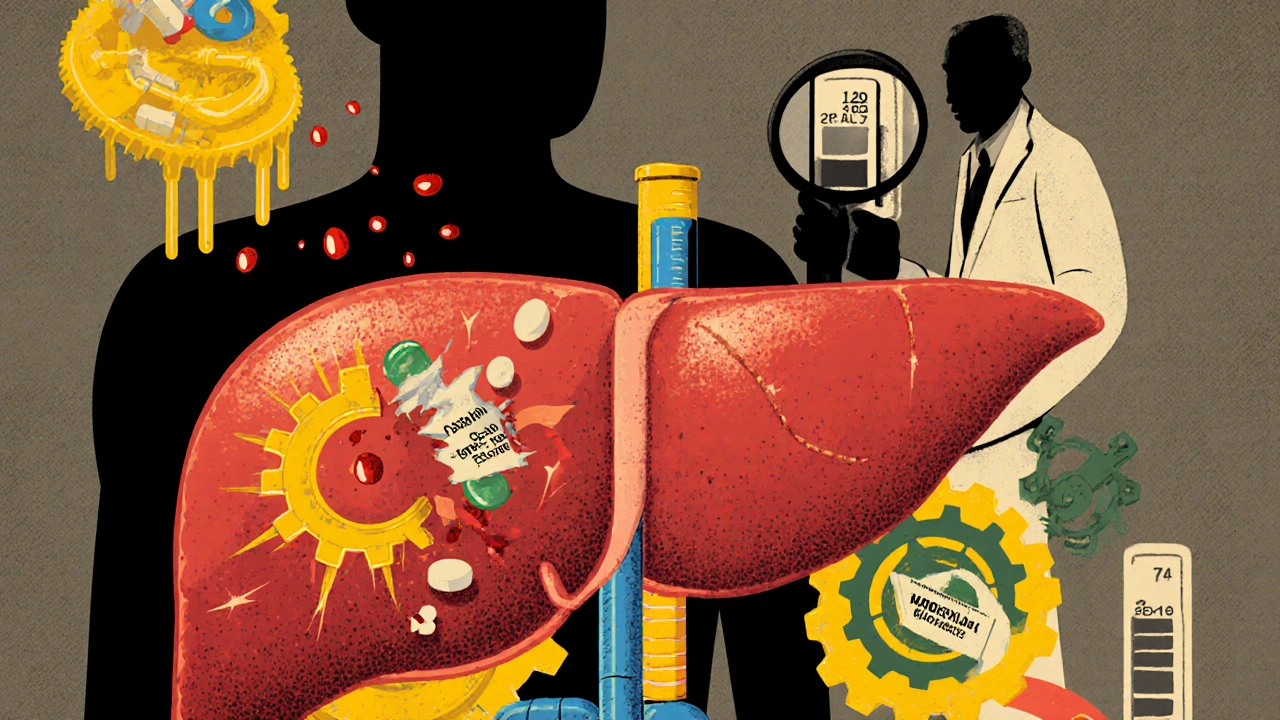
Drug-Induced Liver Injury: High-Risk Medications and How to Monitor Them
Drug-induced liver injury can strike from common medications and even supplements. Learn which drugs pose the highest risk, how to monitor your liver, and what to do if you suspect damage - before it's too late.
Read more