
H. pylori testing: How it works, when you need it, and what to expect
When your stomach won’t quit hurting, burning, or bloating, it might not be stress—it could be H. pylori, a type of bacteria that lives in the stomach lining and is a leading cause of ulcers and chronic gastritis. Also known as Helicobacter pylori, this tiny germ is responsible for more than 90% of peptic ulcers and plays a big role in stomach cancer risk. If you’ve had recurring indigestion or were told your ulcers didn’t heal with antacids, H. pylori testing is the next step—not just a lab curiosity, but a real key to fixing your gut.
Testing for H. pylori isn’t one-size-fits-all. The most common methods include the urea breath test, a non-invasive test where you swallow a harmless substance and your breath is checked for bacterial byproducts, which gives results in minutes. There’s also the stool antigen test, a simple poop sample that detects H. pylori proteins, and the blood test, which looks for antibodies but can’t tell if the infection is current or past. For some, an endoscopy with biopsy is needed—especially if there’s bleeding, weight loss, or family history of stomach cancer. Each test has pros and cons: breath and stool tests are best for checking if treatment worked, while blood tests are cheaper but misleading over time.
Why does this matter? Because H. pylori doesn’t just cause discomfort—it can silently damage your stomach lining for years before you notice serious symptoms. Treating it early cuts your risk of ulcers, bleeding, and even stomach cancer. And here’s the catch: antibiotics alone won’t fix it. You need the right combo, the right timing, and confirmation that the bacteria is gone. That’s why follow-up testing after treatment is just as important as the first test. Many people feel better after antibiotics and assume they’re cured—but without a proper test, the infection could still be there, coming back stronger.
The posts below give you real-world advice on what to ask your doctor before testing, how to prepare for a breath test without messing up results, why some home remedies don’t work, and how to avoid misdiagnosis when symptoms look like acid reflux. You’ll also find what to do if your test comes back negative but you still feel awful—and how to spot when a doctor might be overlooking H. pylori because they’re focused on other causes. This isn’t theory. These are stories from people who fixed their gut after years of missteps. Let’s get you the answers you’ve been looking for.
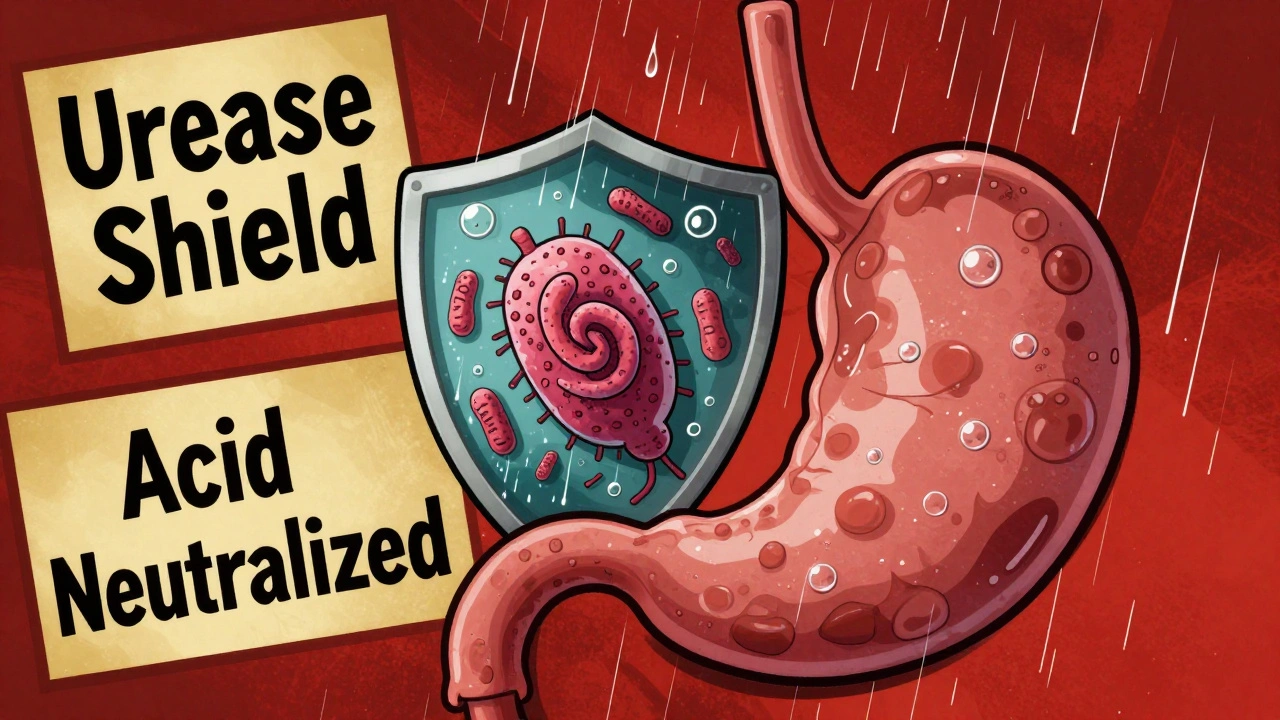
H. pylori Infection: How Testing and Quadruple Therapy Combat Rising Antibiotic Resistance
H. pylori infection is common and can cause ulcers and stomach cancer. Modern testing and quadruple therapy are now first-line due to rising antibiotic resistance. Learn which tests work best and how to ensure successful treatment.
Read more