
Estrogen Therapy: Risks, Benefits, and What You Need to Know
When you hear estrogen therapy, a medical treatment that replaces or supplements estrogen in the body, often used for menopause or fertility. Also known as hormone replacement therapy, it helps with hot flashes, vaginal dryness, and bone loss — but it’s not a one-size-fits-all solution. For some women, it’s life-changing. For others, it’s a risk they can’t afford to take.
The biggest concern? migraine with aura, a type of severe headache often accompanied by visual disturbances like flashing lights or blind spots. If you have this, adding estrogen — even from birth control — can raise your stroke risk by up to five times. That’s not a small number. It’s why guidelines now say: avoid estrogen if you have aura. Instead, go for progestin-only options. And if you’re using estrogen for menopause, your doctor should check your migraine history before prescribing it.
It’s not just about migraines. hormonal contraception, birth control pills, patches, or rings that contain estrogen can also affect your blood pressure, liver, and even your mood. Some women get nausea, headaches, or mood swings. Others face rare but serious issues like blood clots or liver tumors. And if you’re on other meds — like blood thinners or antidepressants — estrogen can mess with how they work. That’s why you need to talk to your doctor about everything you’re taking, not just the estrogen.
On the flip side, estrogen therapy can be a game-changer for women with early menopause or certain fertility issues. letrozole, a non-estrogen drug used to trigger ovulation in women with PCOS is now preferred over older options, but estrogen is still part of many fertility protocols. It helps build the uterine lining so an embryo can implant. But even here, timing and dosage matter. Too much can cause ovarian hyperstimulation; too little won’t help.
What you’ll find below isn’t just theory. It’s real-world advice from people who’ve been there — from the woman who switched from estrogen birth control after a scary migraine episode, to the one who found relief from hot flashes without hormones. You’ll see how drug interactions, when estrogen clashes with other medications, increasing bleeding or liver stress can catch you off guard, and why knowing your body’s signals matters more than any guideline.
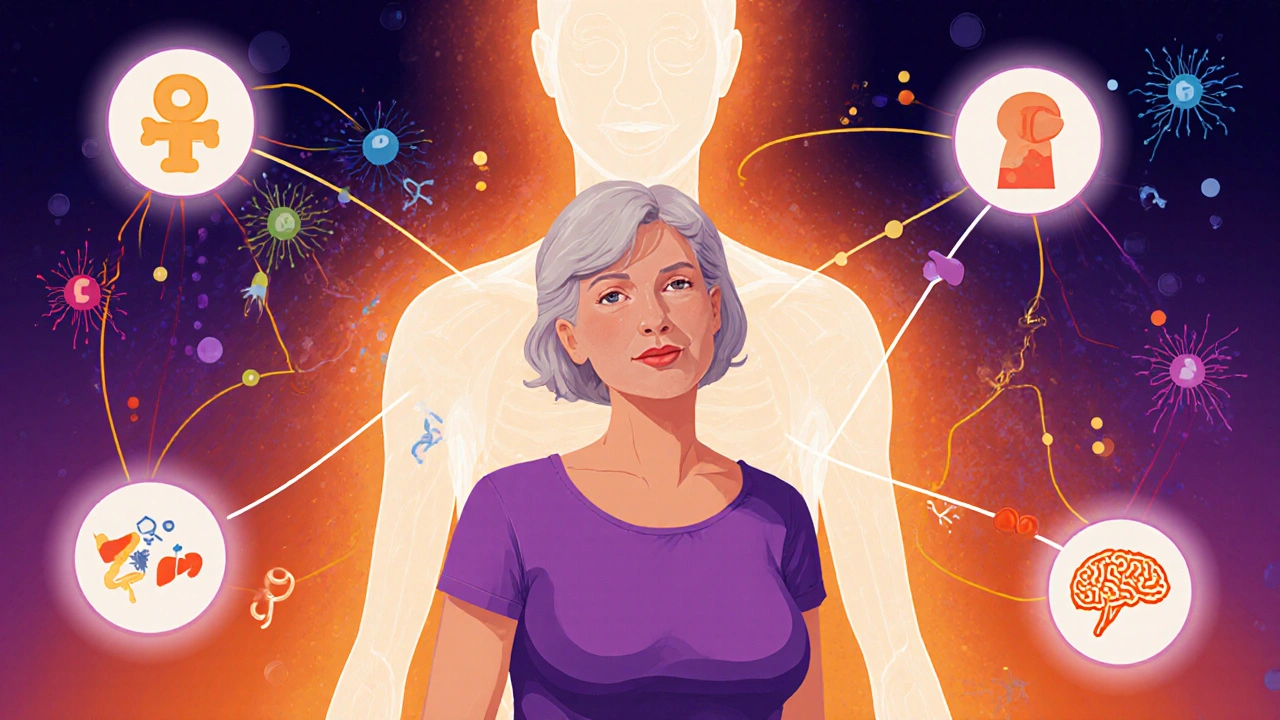
Medications During Menopause: Understanding Hormone-Related Side Effect Changes
Understanding how hormone therapy changes side effect profiles during menopause, including risks, alternatives, and how to adjust treatment for better tolerance and safety.
Read more