
Estrogen Birth Control: How It Works, Side Effects, and What You Need to Know
When you take estrogen birth control, a type of hormonal contraception that combines estrogen with progestin to prevent ovulation. Also known as combined oral contraceptives, it’s one of the most common ways women control fertility—but it’s not just about stopping pregnancy. It changes how your body works, and those changes can show up in unexpected ways.
Estrogen in birth control isn’t the same as the estrogen your body makes naturally. It’s a synthetic version, designed to trick your brain into thinking you’re pregnant. That stops ovulation, thickens cervical mucus, and thins the uterine lining. But it also affects your mood, skin, blood pressure, and even how your liver processes other drugs. People with a history of blood clots, migraines with aura, or uncontrolled high blood pressure are often told to avoid it. And while some women get clearer skin and lighter periods, others feel nauseous, moody, or gain weight. These aren’t random side effects—they’re direct results of how estrogen interacts with your hormones, liver, and blood vessels.
It’s not just about the pill. Estrogen is also in patches, rings, and injections. Each delivery method changes how quickly the hormone enters your system, which affects both effectiveness and side effects. For example, a patch might cause less nausea than a daily pill because it releases estrogen slowly. But if you’re on other meds—like antibiotics, seizure drugs, or even St. John’s wort—your body might break down the estrogen too fast, making the birth control less reliable. That’s why knowing what else you’re taking matters as much as knowing the brand name.
There’s also a big difference between estrogen birth control and progestin-only options. If you can’t take estrogen—maybe because you’re over 35 and smoke, or you’ve had a blood clot—you’re often switched to progestin-only pills, IUDs, or implants. These don’t carry the same clotting risks, but they can cause irregular bleeding or make acne worse. Neither option is perfect. The right one depends on your health, lifestyle, and what side effects you’re willing to tolerate.
You’ll find posts here that dig into how estrogen affects your body beyond contraception—like its role in menopause treatment, how formulation changes in pills can reduce nausea, and why some women have worse side effects than others. There’s also info on how generic versions compare to brand names, what to do if you miss a pill, and how estrogen interacts with other meds like blood thinners or antidepressants. These aren’t just medical facts—they’re real experiences from people who’ve lived with these choices. Whether you’re considering starting birth control, switching methods, or just trying to understand why you feel off, this collection gives you the practical details you won’t get from a pamphlet.
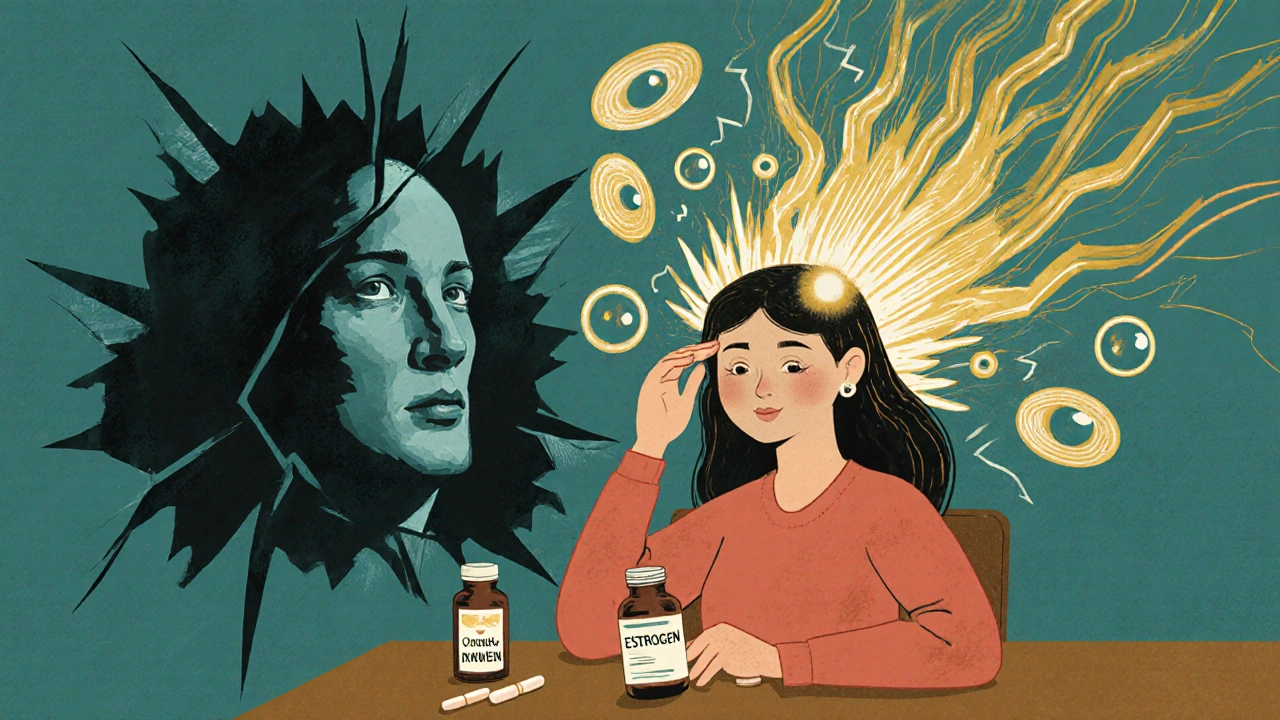
Migraine with Aura and Estrogen Birth Control: What You Need to Know About Stroke Risk
Migraine with aura increases stroke risk when combined with estrogen birth control. Learn the real numbers, why guidelines are changing, and what safer contraceptive options actually work.
Read more