
Drug Switching: What You Need to Know About Switching Medications Safely
When you switch from one drug to another—whether it’s a brand to a generic, or one generic to another—you’re dealing with drug switching, the practice of replacing one medication with another that’s considered similar in effect. Also known as medication substitution, it’s common, often encouraged by insurers, and can save you hundreds a year. But it’s not always harmless. For some drugs, even tiny differences in how they’re made can change how your body absorbs them, leading to side effects, loss of control over your condition, or worse.
Take warfarin, a blood thinner used to prevent clots. Also known as Coumadin, it’s a classic example of why drug switching isn’t just a paperwork change. Its effect is measured by your INR level, and even small shifts in how your body processes it can push you into dangerous bleeding or clotting territory. The FDA says generics must be bioequivalent, but for drugs with a narrow therapeutic index—like warfarin, lithium, or thyroid meds—that ‘equivalent’ can still be enough to throw your system off. And it’s not just about the active ingredient. inactive ingredients, the fillers, dyes, and binders in pills, can affect absorption. One person’s generic levothyroxine might have a different coating than another, and suddenly their thyroid levels drop. That’s not rare—it’s documented.
Drug switching isn’t just about generics. It’s also what happens when your doctor changes your antidepressant from citalopram to escitalopram, or when you swap one statin for another because your insurance won’t cover the original. These aren’t just name changes. They can mean different side effect profiles, different interactions, and different risks—like QT prolongation or muscle damage. And while the FDA approves these switches based on lab tests, real people in real bodies don’t always react the same way. That’s why monitoring matters. If you’re on a drug that needs regular blood tests—like warfarin, lithium, or phenytoin—you need to know your levels might shift after a switch. You need to watch for new symptoms: dizziness, fatigue, muscle pain, or mood changes. And you need to speak up before something serious happens.
Below, you’ll find real-world stories and facts from people who’ve been through drug switching—some smoothly, some with serious consequences. You’ll learn how to spot when a switch might be risky, what questions to ask your doctor, how to track changes in how you feel, and which medications are safest to switch—and which aren’t. This isn’t theory. It’s what happens when you swap pills and your body notices the difference.
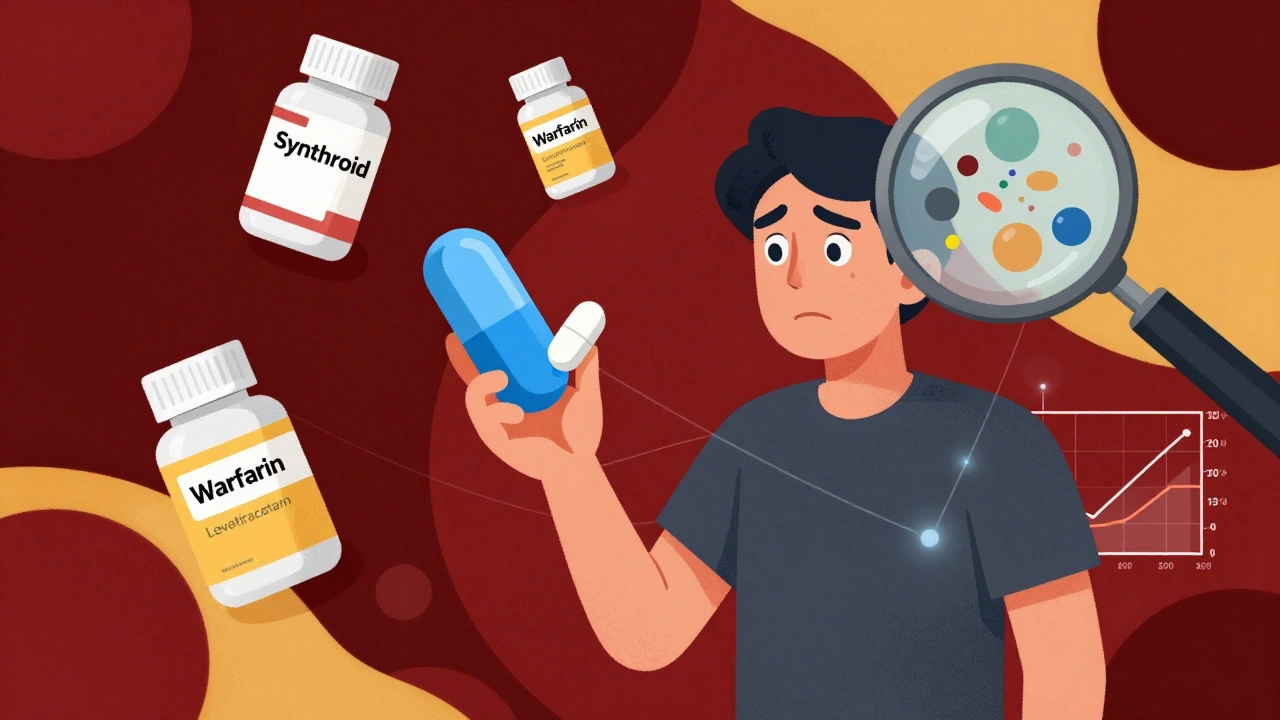
Switching from Brand to Generic Drugs: What to Expect in 2025
Switching from brand to generic drugs can save money, but it’s not always simple. Learn what to expect, when it’s safe, and how to protect yourself from side effects or reduced effectiveness.
Read more