
Drug Categories: Understand Types, Risks, and How They Affect Your Body
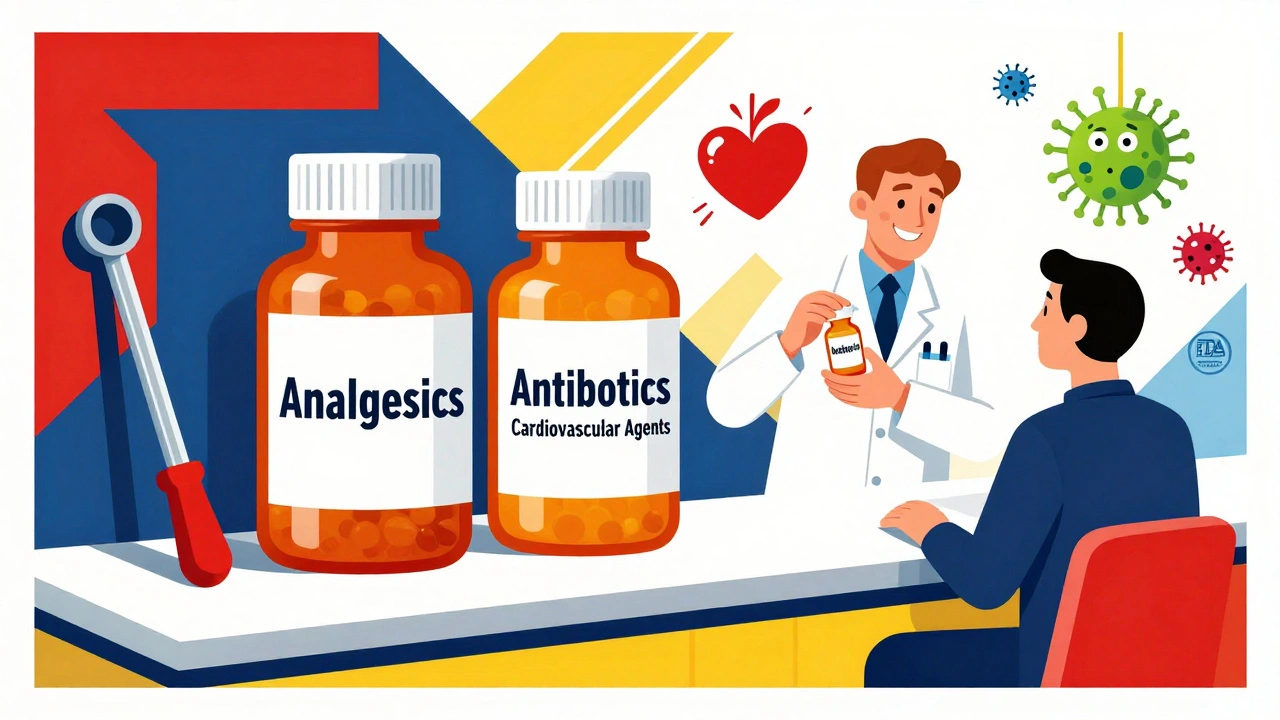
When you hear drug categories, groups of medications classified by how they work in the body or what condition they treat. Also known as therapeutic classes, these categories help doctors pick the right treatment and warn you about risks before you even start taking a pill. Think of them like toolboxes — antibiotics fix infections, blood thinners prevent clots, antidepressants balance brain chemicals. But knowing the category is just the start. What matters is how your body reacts to it, what else you’re taking, and whether the version you got is truly the same as the one your doctor meant to prescribe.
Not all drugs in the same category behave the same. Take generic drugs, medications approved by the FDA as equal in effect to brand-name versions. Also known as generic substitution, they save money but can still cause surprises. One person switches from brand to generic warfarin and their INR spikes. Another switches to a different generic version of levothyroxine and their energy crashes. Why? Because while the active ingredient is the same, the inactive ingredients — the fillers, dyes, coatings — aren’t. These can change how fast the drug gets absorbed. And with drugs that have a narrow therapeutic index — like warfarin, thyroid meds, or seizure drugs — even small changes can be dangerous.
Then there’s the issue of drug interactions, when one medication changes how another works in your body. Also known as medication conflicts, they’re behind many hospital visits. Mixing blood thinners with ibuprofen? That’s a red flag — it can triple your bleeding risk. Taking statins with certain antibiotics? Could lead to muscle damage. Even something as simple as a protein shake can block your thyroid med if you drink it too close to your dose. These aren’t rare cases. They happen daily because people don’t know their drugs are in different categories with overlapping risks.
And let’s not forget medication side effects, unwanted reactions that come with taking a drug. Also known as adverse reactions, they’re often dismissed as "normal" — but they don’t have to be. Some side effects are mild, like drowsiness from meclizine. Others are silent killers — like QT prolongation from antidepressants, or liver damage from acetaminophen. The FDA tracks these through reports, but you’re the one living with them. That’s why knowing your drug category helps you ask the right questions: Is this a sedative? A diuretic? A blood thinner? What else in my medicine cabinet could make it worse?
Behind every category is a system — the FDA approval, the process that ensures drugs are safe and effective before they reach patients. Also known as regulatory oversight, it’s not perfect. Patents delay generics. Manufacturing changes trigger re-evaluations. And sometimes, a drug gets approved based on data from a small group of people who don’t look like you. That’s why you need more than just a label. You need to know what’s in the pill, how it’s made, and who else has reacted to it.
Below, you’ll find real stories and clear facts about how these categories affect people like you — whether you’re managing high blood pressure, fighting depression, dealing with menopause, or just trying not to overdose on cough syrup. No fluff. No jargon. Just what you need to stay safe, save money, and speak up when something doesn’t feel right.
Generic Drug Classifications: Types and Categories Explained
Understand how generic drugs are classified by therapeutic use, mechanism of action, legal schedule, insurance tier, and global ATC codes. Learn why these systems matter for your prescriptions, costs, and safety.
Read more