
Medication Errors: What They Are, How They Happen, and How to Avoid Them
When you take a pill, it’s easy to assume it’s safe—especially if a doctor prescribed it. But medication errors, mistakes in prescribing, dispensing, or taking drugs that lead to harm. Also known as adverse drug events, they’re one of the leading causes of preventable hospital visits in the U.S., affecting over 1.5 million people each year. These aren’t just rare accidents. They’re often the result of small, overlooked details: a confusing label, a drug interaction you didn’t know about, or taking two medicines that shouldn’t be mixed.
Drug interactions, when two or more medications react in a harmful way inside your body. Also known as pharmacological interactions, it’s not just about prescription drugs. Prescribing errors, mistakes made by doctors or pharmacists when writing or filling a prescription. Also known as clinical prescribing mistakes, include wrong doses, wrong drugs, or missing allergy checks. You might be taking ibuprofen for pain while on a blood thinner—something that could cause dangerous bleeding. Or maybe you’re using an expired inhaler because you can’t afford a new one. These aren’t hypotheticals. They’re real risks covered in posts about medication errors, from opioid respiratory depression to statin-induced muscle damage. Even something as simple as swallowing a capsule instead of opening it can change how a drug works—like extended-release tablets that lose their slow-action design if crushed.
Who’s most at risk? Older adults taking five or more meds. Kids given adult doses. People with poor vision or literacy. But anyone can slip up. A misread script, a missed refill, a changed dosage—all add up. And it’s not just about the pills. It’s about how you store them, how you travel with them, and whether you know what happens when you mix them with supplements or alcohol. That’s why this collection dives into real cases: how blood thinners and NSAIDs can turn deadly, why generic delays leave people on expensive brand-name drugs longer than needed, and how OTC cough syrups are being abused without anyone noticing.
You don’t need to be a medical expert to protect yourself. You just need to know what to ask, what to watch for, and what to double-check. Below, you’ll find clear, no-fluff guides on the most common mistakes people make—and how to stop them before they hurt you.
How to Update Your Allergy List Across All Healthcare Providers
Learn how to synchronize and update your allergy lists across different doctors and pharmacies to prevent dangerous drug reactions and medication errors.
Read more
How to Communicate with Multiple Healthcare Providers About Medications
Managing medications with multiple healthcare providers is critical to avoiding dangerous interactions. Learn how to create a clear medication list, involve your pharmacist, and ensure all providers are on the same page to prevent errors and hospitalizations.
Read more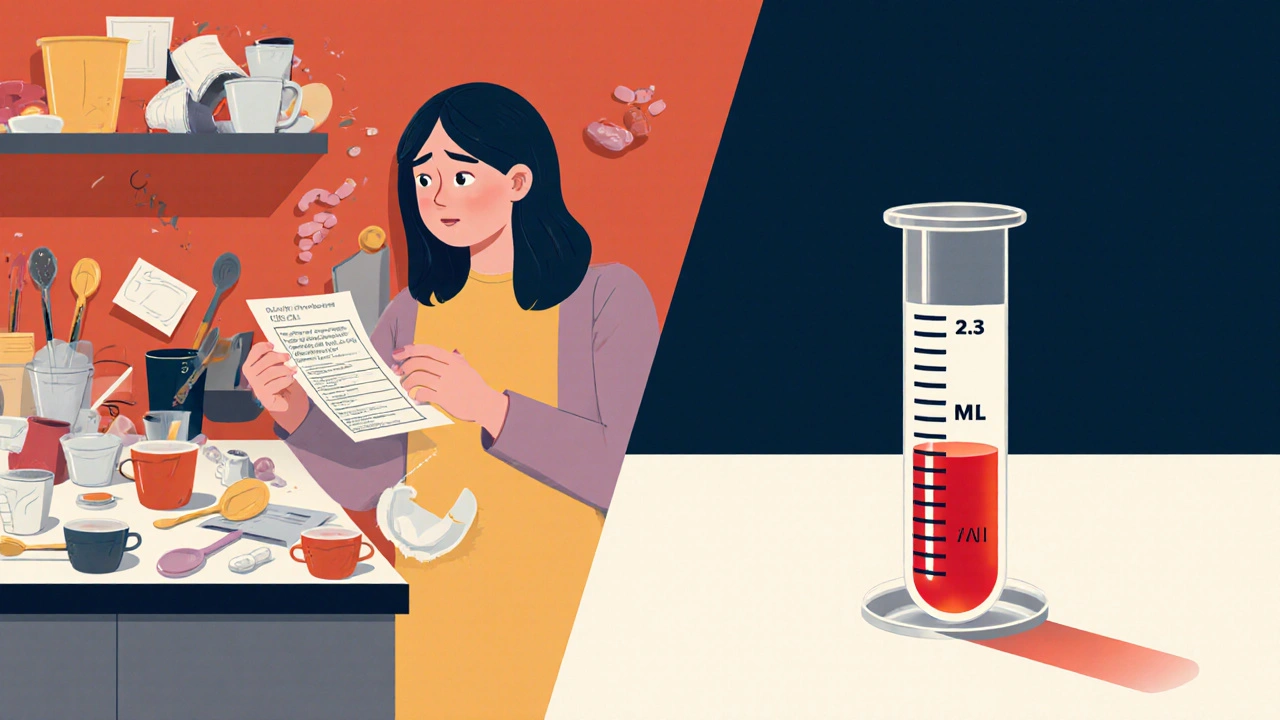
How to Ensure Accurate Dosing Devices with Liquid Prescriptions
Accurate liquid medication dosing prevents dangerous errors. Learn why oral syringes beat cups and spoons, how to use them correctly, and what labels to trust for safe dosing every time.
Read more