
Dextromethorphan Abuse: Signs, Risks, and What to Do
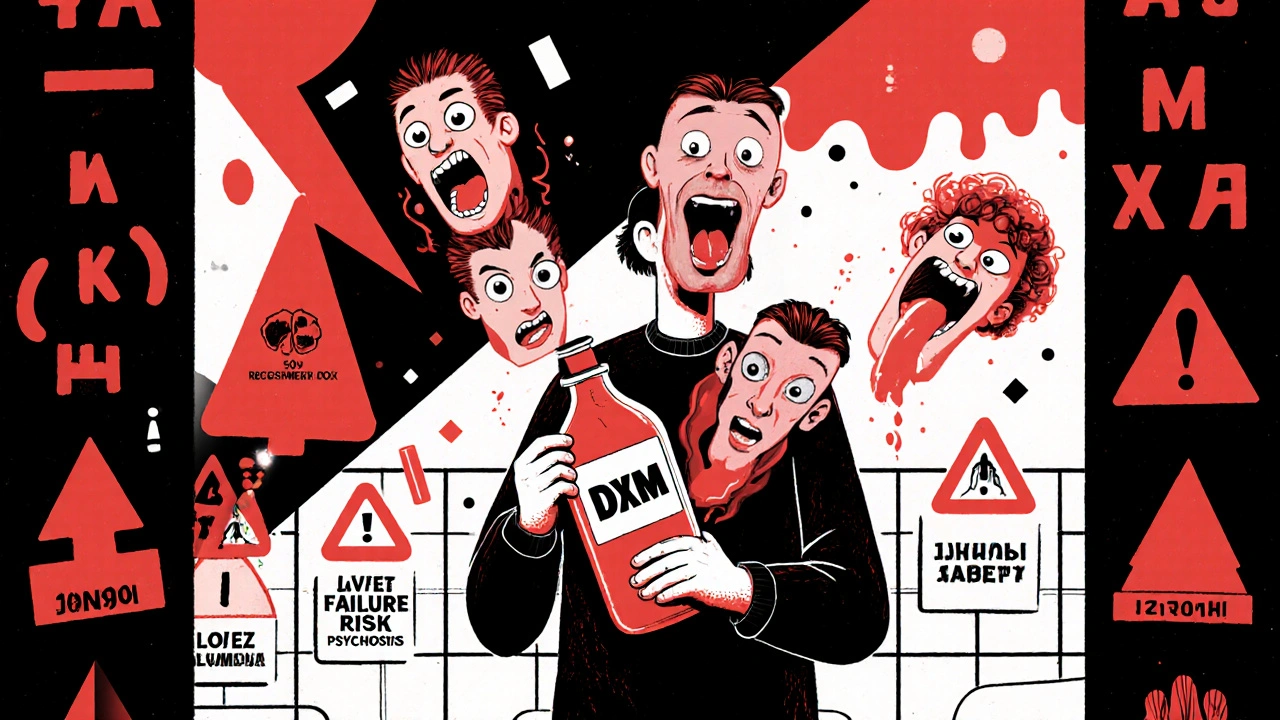
When people take dextromethorphan, a common cough suppressant found in over-the-counter cold medicines. Also known as DXM, it’s meant to be taken in small doses to calm a cough. But when taken in large amounts, it can trigger hallucinations, loss of coordination, and even dangerous side effects like seizures or heart problems. This isn’t just a myth or urban legend—it’s happening in real life, often by teens who think it’s safe because it’s sold next to painkillers at the pharmacy.
Dextromethorphan abuse doesn’t start with a party. It often begins with someone popping a few extra pills because they heard it "feels good." Some mix it with soda or energy drinks to mask the bitter taste. Others buy bulk bottles online, not realizing how easy it is to overdose. The body can’t handle more than 10 times the recommended dose without serious risk. And unlike alcohol or marijuana, there’s no social safety net—no one’s watching when you take 20 pills at once.
This isn’t just about "getting high." Dextromethorphan abuse can lead to long-term brain changes, memory loss, and even permanent nerve damage. It also interacts badly with antidepressants, ADHD meds, and even some herbal supplements. People who combine it with other drugs—like SSRIs or stimulants—are at risk of serotonin syndrome, a life-threatening condition that causes high fever, muscle rigidity, and confusion. And because it’s legal and cheap, many don’t realize they’re addicted until they can’t stop.
What makes this worse is that most doctors and parents don’t know what to look for. A kid who’s zoning out, stumbling, or talking nonsense might be labeled "lazy" or "on their phone too much." But if they’ve been hoarding cough syrup bottles or hiding empty boxes, that’s a red flag. The signs aren’t always obvious—no needle marks, no smell of smoke—but the behavior changes are real.
There’s help. Recovery isn’t about jail or shame. It’s about understanding why someone turned to DXM in the first place—whether it’s stress, trauma, or just curiosity—and giving them real tools to cope. Support groups, counseling, and even simple education about how the brain reacts to high doses can make a difference. And if you’re reading this because you or someone you care about is using it, you’re already on the right path.
Below, you’ll find real stories, medical facts, and practical advice on how to recognize the signs, avoid the dangers, and get help before it’s too late. No fluff. No judgment. Just what you need to know.
Signs You’re Misusing Over-the-Counter Drugs and What to Do
OTC drug misuse is more common and dangerous than you think. Learn the physical, behavioral, and psychological signs of abusing cough syrup and other over-the-counter meds - and what steps to take if you or someone you know is at risk.
Read more