
Noise-Induced Hearing Loss: Causes, Prevention, and What You Can Do
When you hear ringing in your ears after a concert or feel muffled after using power tools, that’s not just temporary discomfort—it’s a warning sign of noise-induced hearing loss, permanent damage to the inner ear caused by exposure to loud sounds. Also known as sound-induced hearing loss, it’s one of the most common preventable forms of hearing damage worldwide. Unlike age-related hearing loss, this isn’t something you just have to accept. It builds up slowly, often without pain, and by the time you notice it, the damage is already done.
This isn’t just about rock concerts or construction sites. Everyday exposures—headphones turned up too high, noisy gyms, leaf blowers, even some kitchen appliances—add up over time. The inner ear has tiny hair cells that convert sound into signals your brain understands. Once these are damaged by loud noise, they don’t grow back. That’s why hearing damage, the irreversible result of prolonged or intense noise exposure is so serious. And it’s not just about volume. Duration matters too. Two hours at 100 decibels (like a motorcycle or power tool) can cause harm. Even 85 decibels (city traffic) over eight hours a day can lead to long-term issues.
Many people don’t realize tinnitus, the persistent ringing, buzzing, or hissing in the ears is often the first sign of noise-induced hearing loss. It’s not a disease—it’s a symptom. And if you’re experiencing it regularly, your ears are sending you an SOS. The good news? You can stop it before it gets worse. Simple habits like lowering headphone volume, using earplugs at loud events, and taking quiet breaks after noisy activities make a huge difference. Studies show people who use hearing protection consistently cut their risk of permanent damage by up to 90%.
You don’t need fancy gear to protect yourself. Basic foam earplugs work. Noise-canceling headphones help by letting you listen at lower volumes. And if you’re around loud sounds daily—whether at work or at home—know the signs: difficulty understanding speech in crowds, needing to turn up the TV, or sounds seeming muffled. These aren’t just annoyances. They’re red flags.
Below, you’ll find real, practical guides on how loud sounds affect your hearing, what protective tools actually work, how to spot early damage, and what to do if you’re already noticing changes. No fluff. Just clear, actionable info from people who’ve been there. Your ears can’t tell you when they’re done. You have to listen for them.
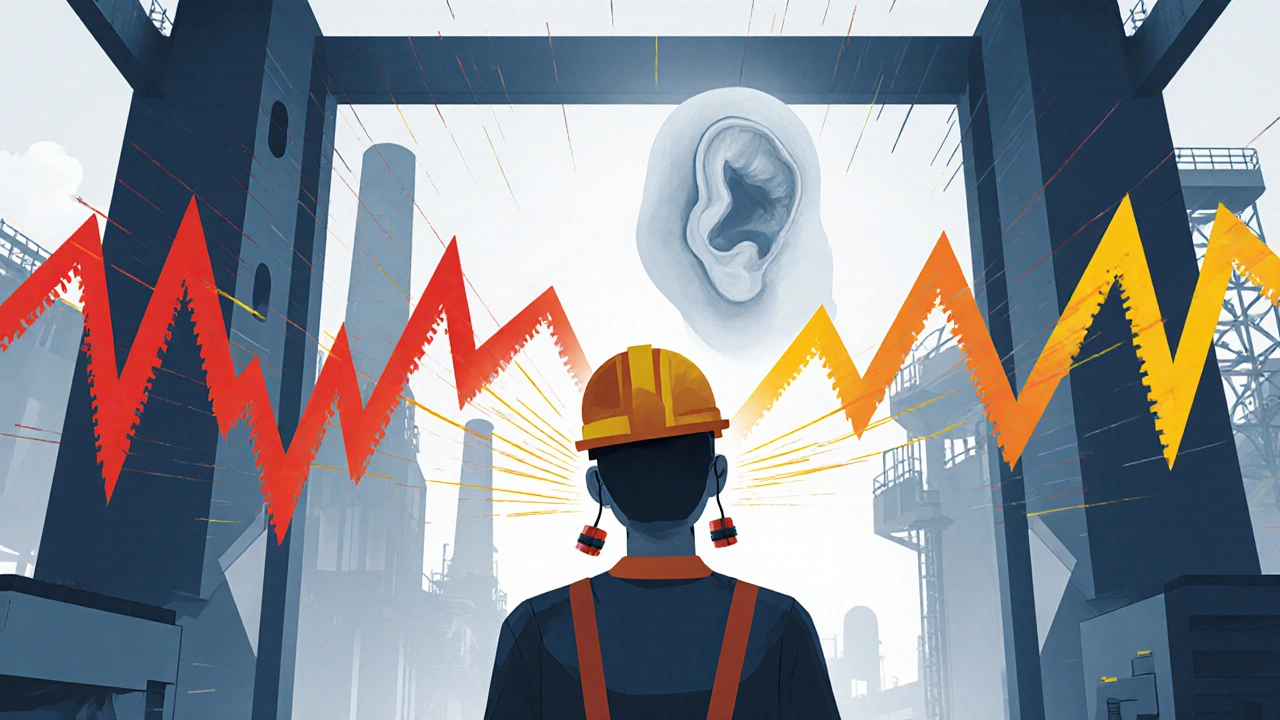
Noise Exposure Limits: How to Protect Your Hearing at Work and Concerts
Learn how noise exposure limits protect your hearing at work and concerts. Understand safe noise levels, why standards differ, and how to prevent permanent hearing loss with practical steps you can take today.
Read more