
DILI: What You Need to Know About Drug-Induced Liver Injury
When your liver gets hurt not from alcohol or viruses, but from the very pills you take to feel better, that’s DILI, Drug-Induced Liver Injury. Also known as hepatotoxicity, it’s not rare—it’s one of the top reasons drugs get pulled from the market or carry black box warnings. Think of your liver as your body’s chemical filter. When medications or supplements overload it, that filter can clog, leak, or even shut down. And unlike a cold or stomach bug, DILI doesn’t always come with obvious symptoms until it’s too late.
Some of the most common culprits? Antibiotics like amoxicillin-clavulanate, painkillers like acetaminophen (especially when taken too long or too high), and even herbal supplements you think are "natural" and safe. Statins, antifungals, and some antidepressants also show up in the list. But here’s the twist: it’s not always about the dose. Sometimes, your genes make you extra sensitive. One person takes the same pill without issue, another ends up in the hospital with liver failure. That’s why DILI is so tricky—it doesn’t follow simple rules.
It’s not just about the drug itself. It’s about how it’s combined with other meds, how long you’ve been taking it, your age, or if you already have liver stress from fatty liver or hepatitis. A study from the National Institutes of Health found that over 50% of acute liver failure cases in the U.S. are linked to medications, not viruses. And many of those cases started with someone just trying to manage a headache, a cough, or a bad night’s sleep.
You won’t always feel it coming. No burning pain, no vomiting. Just fatigue that won’t go away, yellowing eyes, dark urine, or a weird itch all over your skin. These aren’t "just stress" symptoms. They’re your liver screaming for help. If you’re on any long-term medication—especially if you’re over 50 or taking more than three pills a day—you need to know the signs.
And it’s not just about stopping the drug. Sometimes, the damage sticks around. Other times, the liver heals itself—if you catch it early. That’s why this collection of posts matters. You’ll find real-world breakdowns of medications that cause liver stress, how to tell if your symptoms are serious, and what to do if your doctor dismisses your concerns. We cover how statins can trigger muscle and liver damage together, how antibiotics and painkillers team up to increase risk, and why some people need blood tests even if they feel fine.
There’s no magic bullet to prevent DILI, but there’s plenty you can do to reduce your risk. Know your meds. Track your symptoms. Ask questions. And don’t assume something is safe just because it’s over-the-counter or labeled "natural." The truth is, your liver doesn’t care what the label says—it only cares what’s in your bloodstream.
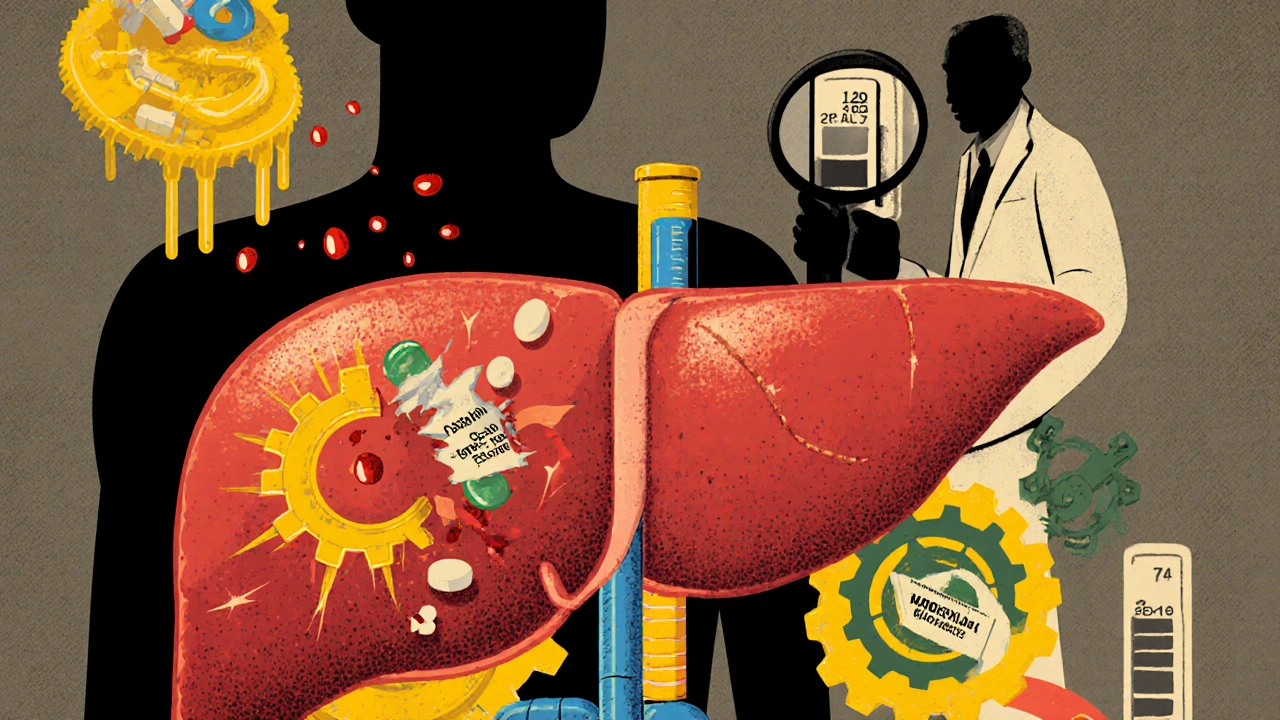
Drug-Induced Liver Injury: High-Risk Medications and How to Monitor Them
Drug-induced liver injury can strike from common medications and even supplements. Learn which drugs pose the highest risk, how to monitor your liver, and what to do if you suspect damage - before it's too late.
Read more