
Liver Monitoring: Why It Matters and What You Need to Watch For
When you take medications long-term—whether it’s statins, antidepressants, or even over-the-counter painkillers—your liver, the body’s main filter for toxins and metabolizer of drugs. Also known as hepatic system, it works nonstop to break down what you swallow. But it can’t handle everything forever, and when it’s overwhelmed, damage can sneak in without symptoms until it’s serious. That’s why liver monitoring isn’t just for people with alcohol use or hepatitis—it’s a quiet necessity for anyone on regular meds.
Many drugs linked to liver stress show up in these posts: statins like atorvastatin, antivirals like atazanavir, and even common pain relievers like NSAIDs. These aren’t rare risks—they’re well-documented. For example, combining blood thinners with ibuprofen doesn’t just raise bleeding risk; it also adds pressure on the liver to process both drugs at once. The same goes for letrozole in fertility treatment or saxagliptin for diabetes. Your liver doesn’t care if a drug is prescribed or bought off the shelf. It just processes it—and if it’s doing too much, it starts to fail silently.
That’s where liver function tests, a simple blood panel measuring enzymes like ALT, AST, and bilirubin come in. They’re not fancy. They don’t require a scan. Just a needle and a vial. But they catch problems early—before you feel tired, before your skin turns yellow, before you need a hospital stay. And they’re not just for adults. Kids on long-term meds, seniors on multiple prescriptions, even people taking herbal supplements like milk thistle or green tea extract—all need baseline checks and periodic follow-ups.
liver damage, often called hepatotoxicity doesn’t always mean alcohol or viruses. It can come from a single new pill, a combo of supplements, or just years of daily use. Some people never show symptoms until their liver is 70% scarred. Others get warning signs: unexplained nausea, dark urine, belly swelling, or just plain exhaustion that doesn’t go away. If you’re on any chronic medication, ask your doctor: "Should I be getting my liver checked?" Don’t wait for symptoms. The best time to act is before you feel anything.
And here’s the thing: liver monitoring isn’t about fear. It’s about control. It’s knowing your numbers so you can adjust your meds, switch to safer options, or cut out harmful combos. You’ve got posts here on statin interactions, opioid breathing risks, and OTC misuse—all of which tie back to how your body handles chemicals. These aren’t random articles. They’re pieces of a bigger picture: your body’s ability to process what you put into it. And your liver? It’s the unsung hero doing the heavy lifting. Time to give it the checkup it deserves.
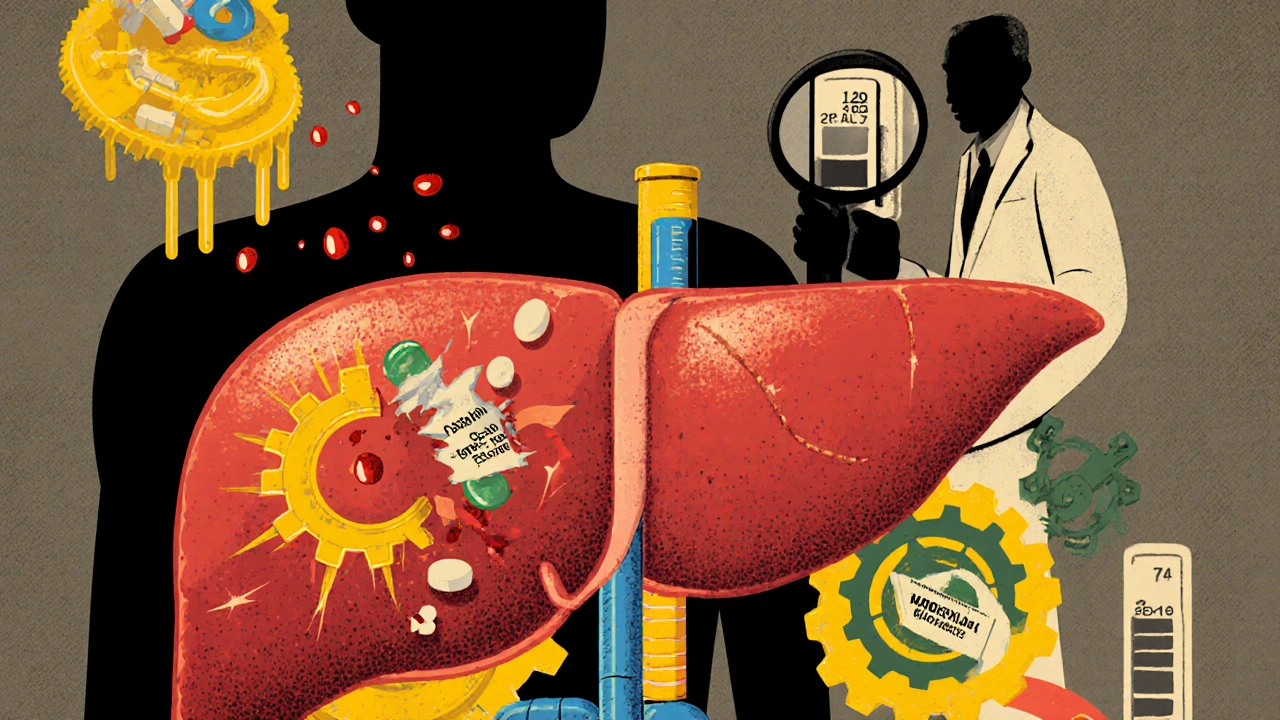
Drug-Induced Liver Injury: High-Risk Medications and How to Monitor Them
Drug-induced liver injury can strike from common medications and even supplements. Learn which drugs pose the highest risk, how to monitor your liver, and what to do if you suspect damage - before it's too late.
Read more